

DiscoverDaguioman
Discover the natural beauty, culture and heritage of Daguioman.
Book Now Pay Later











Loading traveller reviews…
Join Our Newsletter
Get tailored flight deals, travel tips & inspiration straight to your inbox.
HandpickedDaguioman HolidayDeals
Complete holiday packages with flights, hotels and experiences in Daguioman.


Stays AcrossDaguioman
From luxury beachfront resorts to city hotels and budget stays.
UnforgettableExperiencesin Daguioman
Search and book amazing activities and tours across Daguioman.
Top 10 Reasons to Visit Daguioman
Reason 01
A Sneak Peak into Daguioman

- Abra and holidays to Daguioman are outlined by crashing mountains of Cordillera with the air being clean and the horizon being stretched way beyond the usual.
- The remote nature of the municipality implies that the road system is small and meandering, which provides a feeling of isolation that the many travellers are hoping to get when they leave the noise of the city life.
- The haughty ridges create deep valleys where streams and springs are located, which provides the picture with an almost mysterious twist that has been the birthplace of the Itneg people since time immemorial.
- Holidays to Daguioman still has some traditions of the past and visitors can experience some age-old traditions such as the practises that treat their ancestors within a place where nature and tradition blend harmoniously.
- Hiking trails start early in the morning, and they take the tourists through thick pine forests, which shift in colour according to the season, and the slight rustle of wildlife in the distance is not expected.
- To those who would like to organise their trip, the most optimal means of travelling up to this gem would be to make a reservation with world pinoy flights that will allow one a nice transitioning process between the capital and the highlands, followed by the hiking to the valley.
- Capital (of the province): Bangued
- International airport: No international airport in Daguioman
- Nearest commonly used:
- Vigan Airport (Ilocos Sur) – domestic flights (limited)
- Laoag International Airport (Ilocos Norte) – domestic and limited international flights
- Ninoy Aquino International Airport (Manila) – major international gateway
- Currency: Philippine Peso (PHP)
- Time zone: UTC+8 (Philippine Standard Time)
- Driving side: Right-hand side
- Main electricity: 220 volts, 60 Hz
- Official / local languages: Ilocano, Abra Kankanaey, Filipino, English
- Major religion: Predominantly Roman Catholic
Reason 02
Highlights

- Holidays to Daguioman, Abra have a natural environment that is almost untouched, and a living laboratory to both eco-tourists and nature enthusiasts.
- Itneg community protects the rituals, laws, and landmark remains of ancestors who lived many centuries ago which are preserved in the Tingguian Ancestral Domain.
- Scattered across the top of the nearby mountains, visitors are able to witness panoramic views of the granite walls of the Cordillera and feel the wind blowing away tales of antiquity migrations.
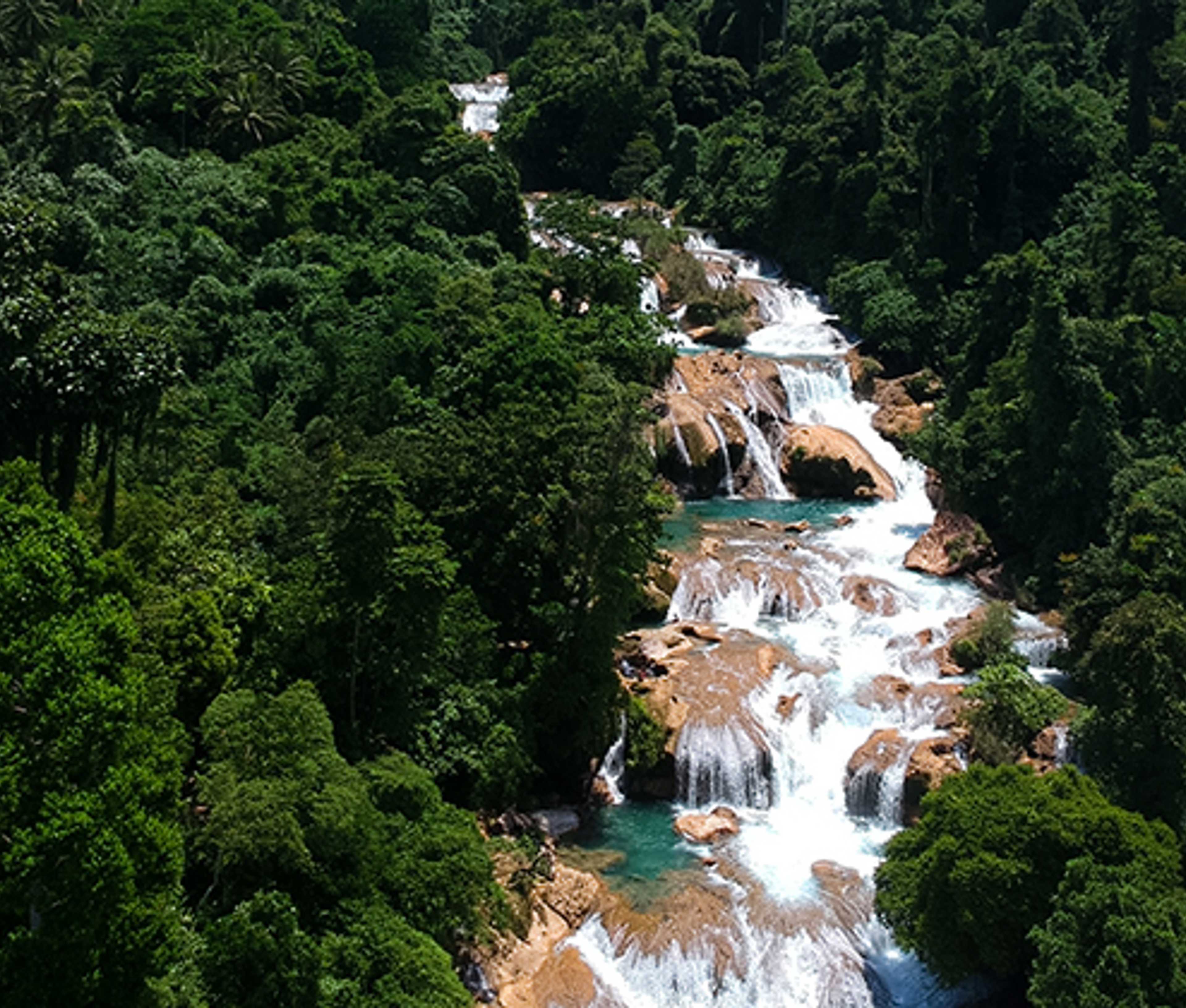
- The tubo-daguioman river system cuts the land with crystalline clearness and it allures adventurous hikers to move along the icy route and listen to the sound of mountain water.
- The artisans of Daguioman use old style looms, natural fibres to weave their hand-woven fabrics and baskets that are representative of their cultural identity.
- The climate is cool all year round due to the elevated position making the municipality to become a natural cool-escape on the hot summer days.
Reason 03
Seasons to Travel

- Dry seasons between the months of November up to May also give the best footing on the rocky trails thus lessening chances of landslides due to heavy rains.
- The hike in December is the best season to be in, with the lowest temperatures and a refreshing effect on the hike as opposed to a humid afternoon.
- July to September show the heavy rains and streams become ruthless torrents and roads are unsafe and only the cautious persons can pass.
- Subtropical highland climate means that the temperatures do not often become above the comfortable level even in the hottest seasons.
- April and March are especially fine in the morning, and shed golden rays over the alpine valleys that make the work of photography an ideal pleasure.
- Late summer is cooler yet still has a good vegetation cover and the clear spells give exquisite viewing of the stars after sunset.
Reason 04
Worth A Visit

Cultural Exchange Tingguian
- Organise dignified conferences with the senior members of the society who narrate how their forefathers ruled and what values ought to be used to manage land.
- Find out the rituals, singing, and presentation of hand-made items and understand the Itneg worldview.
- Take a guided stroll inside the ancestral territory, with labelling of markers and delimiting, as well as the local legends.
- Study the fundamental vocabulary of the Itneg language which will bring a closer relationship with the people and their culture.
- Welcome yourself to a community dinner where roasted pork, root crops, and plain stews are prepared in outdoor areas, which gives one a sense of belonging.
- Carry a little artefact, like a woven bracelet, that not only symbolises the artistic culture of the community but also reminds the individual of the experience.

Mountain Viewpoints
- Hike up the ancient path to the maximum available altitude, where the view covers the sharp ridges of the Cordillera and the valleys off in the distance.
- Notice the fog floating at dawn on the mountains, which also gives an unreal air to the landscape.
- Take pictures of the contrasting nature of the dark vegetation and pale stone, which come in handy in travel blogs or personal albums.
- Observe how the sun alters the colour of the pine needles making a living mosaic that changes as the day goes by.
- Sleep on little ledges cut in the rock, in the silence which is disturbed only by the calls of birds in the distance.
- Discuss your hike with other hikers in a small community centre, and you can talk about the geological history of the place.

Traditional Itneg Weaving
- Visit artisans who are working with hand-loom methods which have been taught through the generations and produce the blankets and garments which contain some symbolic design.
- Learn the meaning of the colour used in specific ceremonies, e.g. red as an element of celebration or blue as a protection.
- See the application of natural dyes made out of the local plants which display how sustainable is the practise, without the environment being compromised.
- Learn how raw fibres are made into finished products, the cleaning process up to the spinning and weaving.
- Be given a small sample of woven fabric that is allergic to the touch, which is a reminder of the cultural competence displayed.
- Talk to the weavers about future preservation, and gain some sense of the way members of the community will continue to keep the craft alive.

River Trekking
- Trace the cold clear branches that make their ways through the wood, and listen what you will hear of water that flows over mossy rocks.
- See the variety of flora that grows in the banks such as fern, orchids and endemic shrub among other plants that are barely seen in other places.
- See fish species adapting to the stream flow in the mountain, which gives us an idea of the biodiversity of the aquatic life in the area.
- Get the adrenaline rush of walking across narrow rock bridges and be safe with the right shoes and hiking poles.
- Sit by a side of the river and listen to the splashing of the water as it falls into the water.
- Get to know how the people of the community depend on the water flowing in the river to irrigate their fields, raise livestock, and even in their everyday activities is a sign of a friendly bond with the flow.
Reason 05
Discover More

Ancestral Domain Sites
- Visit the boundary markers that mark the Itneg territory, all of which have faint carvings that contain historical accounts.
- Introduce local guides who describe legal safeguards which have been established to make sure that the area is a living cultural landscape.
- Understand how the community balances between growth and conservation by using consensus to manage the use of the resources.
- Have a look at the combination of advanced infrastructure like small bridges and the traditional cultural landscape.
- Observe how the environment determines the modes of living, settlement preferences, agricultural lands and joint spaces.
- Contemplate the importance of these places as living heritage which provides visitors with an opportunity to experience living traditions.

Local Farm Plots
- See the terraced fields that hang on steep sides, with elaborate irrigation arrangements that gather mountain precipitation in a most effective manner.
- Visit rice paddies and root crop farms that are farmed organically with little chemical applications, and retain the health of the soil.
- Mark the planting times of seasons based on lunar calendars, a custom that indicates the sensitivity of the community to the environment.
- Study how such plots generate staples that take care of the local families and the occasional tourists who want to have some of the authentic meals.
- Participate in a short demonstration of planting or harvesting and get to know the mountain agriculture practically.
- Talk about the issues of climate change that farmers have to deal with, and how they use these challenges to adapt sustainably.

Mountaineering Expeditions (Advanced)
- Live the Daguioman experience as an access to distant mountains that need careful training, such as acclimatisation to altitudes.
- Find a group leader who is skilled in exploring the rugged terrain, where safety measures must be taken to the letter.
- Lightweight but strong carry gear, with an emphasis on breathable materials and insulated layers in the event of a sudden drop in temperature.
- Learn to interpret the signals of the mountain, like the direction of wind, the snow, the clouds, etc. to predict the changes of the weather.
- Care about the delicate ecosystems by observing the Leave No Trace policies and leaving the place as pristine when you leave it as you found it.
- Share storeys with other climbers, which builds community stronger when you have accomplished a significant feat of climbing a particular peak or accomplishing a significant milestone.

Historical Markers
- Find monuments and plaques that note significant events in the history of Daguioman, e.g. the early settlement by native people or colonial interactions.
- Interview local historians who can give background information on the origin of the markers and the individuals and their cultural value.
- See the combination of local and external influences in architecture and stonework, which is a multi-layered storey.
- Take part in led walks that recreate historical chronicles, that gives a clear picture of how the current landscape was developed.
- Observe how the signs take the visitors through the town routes, both as educational and direction signs.
- Consider the way the preservation of these historic sites celebrates the identity of the community and educates the generations to come.
Reason 06
Culture Traditions

- Daguioman, Abra holidays pay tribute to the ancient affiliation of the Itneg people with the land, and all of their practises are in honour of the ancestors.
- The legal tradition of the community is based on the decisions that are made by the whole community and this fact guarantees that no decision is made that disrespects people or nature.
- Itneg language is a colourful language spoken during ceremonies, storey telling and in daily conversation which has ensured the culture continues to live.
- Hand-loom weaving is still a highly treasured art, the craftsmen making symbolic designs of ceremonial blankets.
- Basketry, made of local reeds and vines, is practical and artistic and has brought out resourcefulness in the community.
- The traditional festivals which are usually conducted at sunrise involve dancing, singing and sacrifice which entice the blessing of the mountain spirits.
Reason 07
Food Fun Fashion

Food
- Sweet potatoes, taro, and yam are root crops that are grown on terraced fields and nourish the community with healthy food.
- Mountain rice is a type of rice grown on steep slopes and with its unique flavour profile, it is a dish that Daguioman can be proud of.
- The local cooks make a simple, but tasty food, with the emphasis on meat, root vegetables, and fresh herbs to have a healthy experience.
- Wild honey, collected in the hives in forests, is valued in its purity and is consumed in sweet preparations as well as in medical preparations.
- Dining is frequently communal and this strengthens the relationship between families and visitors who join the feast.
- Best preserved cooking techniques, such as steaming in wood-fired structures, preserve the inherent flavour of products and give them smoky flavours.

Fun
- Hiking in foggy pine forests is an adventurous experience that will give an adrenaline rush to the adventurous person.
- Cultural immersion can be offered in an activity that means that the travellers will be able to interact with the local customs, whether it is hand-weaving or storytelling.
- The wilderness of the landscape poses no limits in nature photography, the spectacular mountain outlines, and serene rivers.
- With every path there is a new discovery, a concealed waterfall, a rare orchid or a panoramic view that make one breathless.
- Even the mere strolls along the sun-shiny valleys will turn into unforgettable experiences when you are walking with amicable locals who welcome you with a smile.
- Open hospitality of the community implies that all the fun activities such as hiking and cooking classes are open to all tourists.

Fashion
- The climate at high altitude requires baggy and thick dresses and pants to keep the body warm against the wind, rain, and the abrupt change in temperature.
- The travellers are to wear strong boots, waterproof jackets, and thermostatic base layers to hike through the rough and even slippery roads.
- Woven fabrics are used to make local clothes, and they are usually decorated with elaborate patterns, which indicate social status or clan membership.
- Villagers wear colourful clothes during festivals which demonstrate the artistic eye and the culture of the village.
- Shawls and blankets are also souvenirs that are hand-loomed and remind visitors of the time and effort that goes into making each one.
- On top of the practicality, the fashion of Daguioman is the one full of respect to the environment, employing natural fibres that blend with the environment.
Reason 08
Nature Safari

- Cordillera Mountain Range has steep and heavily cut peaks with a rich flora and fauna most of which is endemic.
- The cold, clear tributaries of the tubo-daguioman system make available an intrinsic laboratory and learning experience of the alpine aquatic ecosystems.
- The woodland canopies of the high altitude are of primary and secondary woodlands which provide habitats to birds, mammals and insects that have adapted to the low oxygen environment.
- Holidays to Daguioman seasonally thin canopy gives the visitors the opportunity to see the interplay of light and shadow on the forest floor.
- Observers with a sharp eye will be able to see wildlife like the Philippine eagle, the different species of deer, and a host of various birds of prey.
- The conservation activities are aimed at saving the integrity of the forest as well as the cultural landscape which has been preserved by the Itneg people over centuries.
Reason 09
Events Fiestas

- It is traditionally practised with indigenous rituals celebration of thanksgiving, healing and marker of passage of life milestones in Daguioman, Abra which is generally conducted in close settings within the community.
- March 19th The town fiesta is a celebration of St. Joseph that combines both Catholic practises and local ones in a lively parade every year.
- Feasts at the end of harvests distribute the abundant food, uniting neighbourly relationships.
- Every event provides tourists with an opportunity to experience pure cultural manifestations, whether it is music and dancing or even eating together.
- Ceremonies are usually scheduled according to astronomical or agricultural cycles, and this demonstrates the fact that the community respects the rhythms of nature.
- Attending these festivals requires notice beforehand and the visitors must respect the sanctity and privacy of the festivals. holidays to Daguioman are best planned around these events.