

DiscoverPudtol
Discover the natural beauty, culture and heritage of Pudtol.
Book Now Pay Later











Loading traveller reviews…
Join Our Newsletter
Get tailored flight deals, travel tips & inspiration straight to your inbox.
HandpickedPudtol HolidayDeals
Complete holiday packages with flights, hotels and experiences in Pudtol.






Stays AcrossPudtol
From luxury beachfront resorts to city hotels and budget stays.
UnforgettableExperiencesin Pudtol
Search and book amazing activities and tours across Pudtol.
Top 10 Reasons to Visit Pudtol
Reason 01
A Sneak Peak into Pudtol

- The holidays to Pudtol, Apayao are billed as a very peaceful, but very historical, stay in the town that was the provincial capital and whose seat was transferred to Kabugao and later on to Luna.
- You can have an easy time getting to your destination because you can select the option of booking with world pinoy flights, which has the convenience of connecting to the closest airport in Kabugao, then take a scenic road trip to the centre of Pudtol.
- The town is surrounded by hills and rocky mountains forming a landscape of green terraces stretching towards the distant mountains, which would be a nature lover who would want to find the solace of nature.
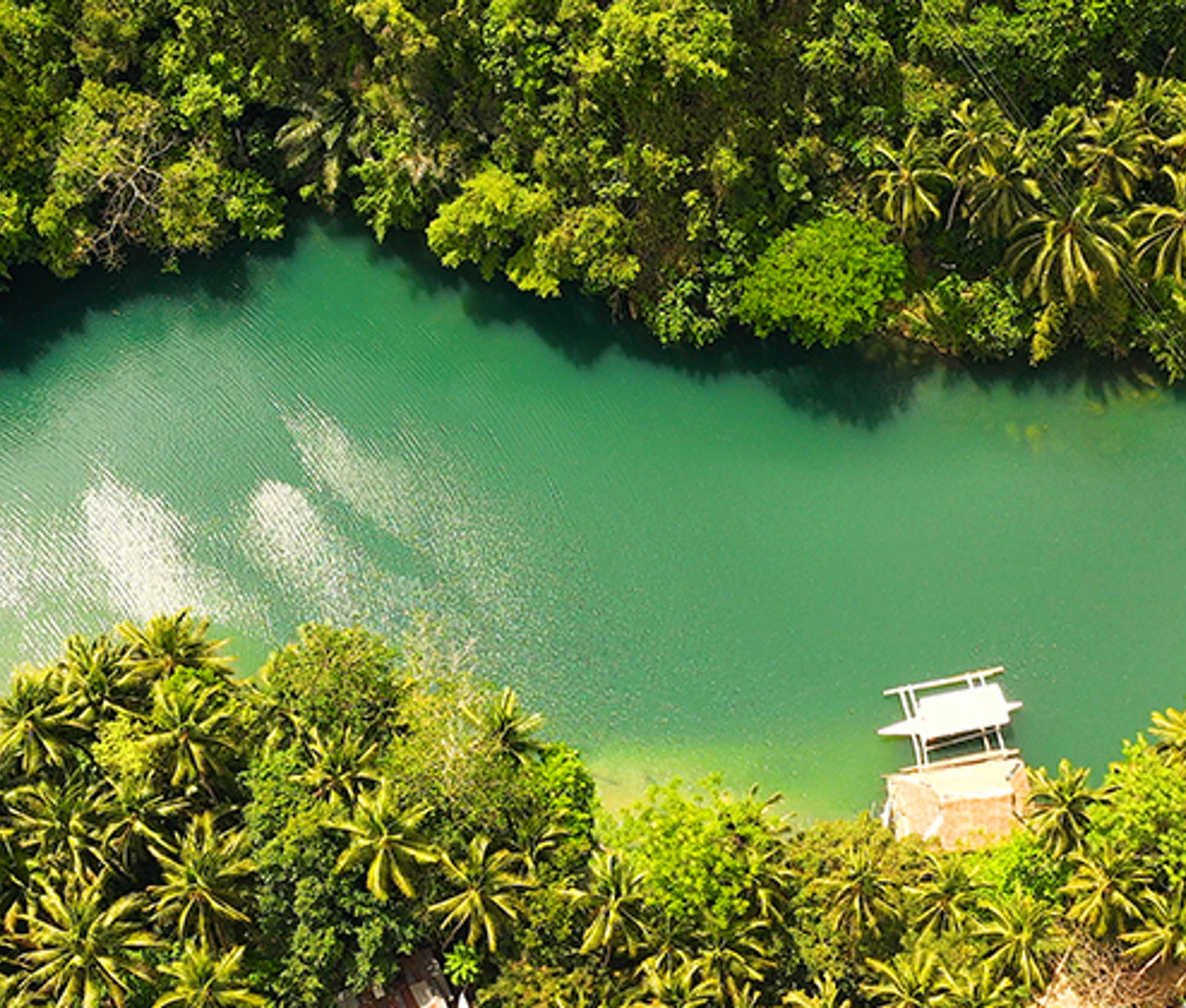
- The town is blanketed by a soothing river called Apayao River which supplies fresh water to the town families and gives the town serene atmosphere on the evenings as people walk along its banks.
- The region is abundant in Isnag culture and one can witness ancient traditions that have remained centuries old in the Cordillera hinterland.
- Morning mist tend to hang on the hills even in the dry season and it gives the landscape almost magical quality to observe the sunrise in every day.
- Capital (of the province): Kabugao
- International airport: None in Pudtol
- Nearest commonly used airports:
- Tuguegarao Airport (Cagayan) – nearest operational airport with domestic flights
- Laoag International Airport (Ilocos Norte) – domestic flights; regional gateway
- Ninoy Aquino International Airport (Manila) – primary international gateway
- Currency: Philippine Peso (PHP)
- Time zone: UTC+8 (Philippine Standard Time)
- Driving side: Right-hand side
- Main electricity: 220 volts, 60 Hz (some remote barangays may rely on generators or have limited supply)
- Official / local languages: Isneg/Isnag, Ilocano, Filipino, English
- Major religion: Predominantly Roman Catholic, with some indigenous beliefs among local communities
Reason 02
Highlights

- The holidays to Pudtol, Apayao are informed by the history that goes back as far as the Apayao province, when the town acted as a capital and a seat of government.
- Isnag people, the inhabitants of this place, preserve their rich culture by music, dance and traditional weaving that can be observed during the local events and markets.
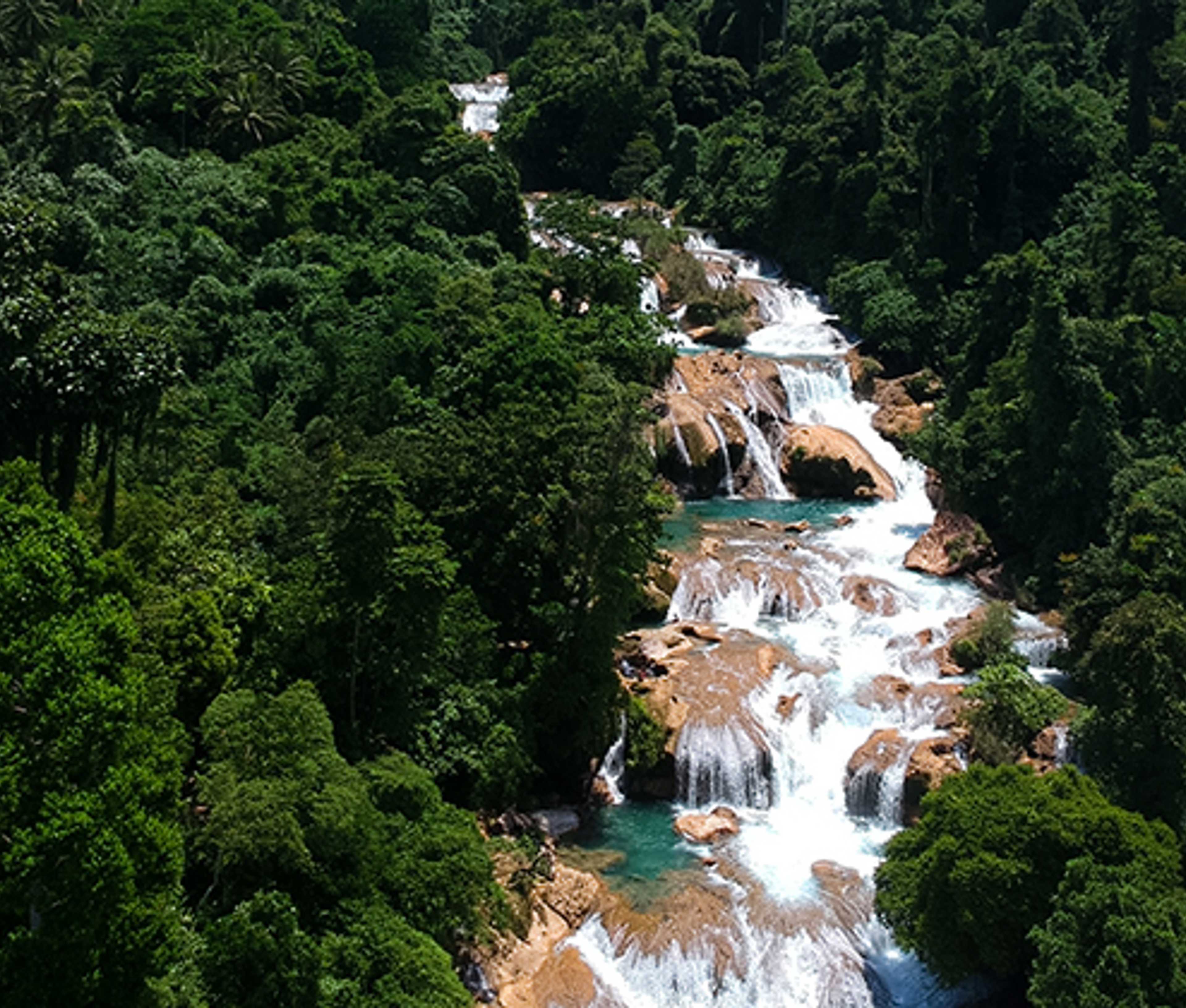
- The Apayao River, which is the source of life to the community, has its clean and cool waters which are utilised as a source in fishing, bathing as well as watering the fertile lands which enclose the town.
- The area is covered with rolling hills and woody slopes, which make it appear as a place of peace and calm, and hikers who prefer to have slow trails and beautiful views will find it a good place to go.
- The architecture of the municipality is characterised by a combination of colonial and local styles, as stone houses and wooden balconies are evidence of the expediency of living in a mountain climate.
- There are seasonal festivals, and communal feasts like the famous Say-am, which are a demonstration of the hospitality and community spirit of the people in the town.
Reason 03
Seasons to Travel

- John Holidays to Pudtol, Apayao The most hospitable period is between November and April, when the dry season ensures that roadways to mountainous areas are clear, and the weather is fair with temperatures that are mild to do outdoor activities.
- The flow of the river is also constant during this season and this makes it easier to observe the local fishing methods, which have been acquired over the generations.
- The highland climate is cool, and even during summer, the temperature does not exceed $25^\text{o}\text{C}$, which allows tourists to hike the hills and enjoy their visit.
- Mornings during dry season are usually fresh and cool making them refreshing to wanderers and photographers.
- Lack of heavy rainfall lowers chances of landslides or road blocks hence safer movements of the tourists visiting remote barangays.
- The scenery is stunning as it is painted with coloured wildflowers and greenery during the months after the rainy season, which is also another beautiful experience.
Reason 04
Worth A Visit

Pudtol Municipal Center
- The town has a historic and quiet centre at the heart of which lie the local timber-built modest houses and the stone buildings of colonial times.
- Visitors have the opportunity to see the remains of its previous status as a provincial capital such as old administrative buildings that are used as community halls today.
- As one walks by the city square, one can see well-maintained flower beds and a small statue of the town patron saint, which helps provide some sense of spirituality.
- There is a small library located in the centre with old manuscripts and photographs of how the town has developed within the last two hundred years.
- There are local guides who will give an explanation on the importance of every landmark as a way of giving it context regarding the political and cultural history of Pudtol.
- The plaza is lit up during the evening so that it creates a welcoming atmosphere that makes people hang around and talk to friendly people.

Apayao River Banks
- The clear water of the river runs through smooth rocks and forms a cool and welcoming place where the travellers can rest under the shade of trees.
- The fishermen carry traditional fishing baskets featuring woven bamboo, which provide an insight into sustainable fishing.
- The tall grasses that grow along the banks of the banks rustle with the wind adding to the quietness of the location.
- children are usually playing along the water, throwing little rocks into the stream, as their parents are standing by with contented grins.
- The river also forms a natural boundary between the barangays, thus it is an easy way to navigate.
- During the evening the sky is shown as a gentle pink shade on the water surface, which is really unforgettable to the photographer.

Isnag Cultural Sites
- Graceful, scheduled visits may be arranged with the help of local elders that receive visitors and provide them with explanation of the traditional rituals.
- Visitors can observe the craft of Isnag woven blankets, where local people with the help of skilled artists utilise natural dyes which are made using local plants.
- An end of harvest festival, called Say-am, is a performance of group singing, dancing, and collective meals that strengthen social cohesion.
- In these places, the lingo is mainly Isnag, and, here and there, Ilocano or Tagalog is used by the young people.
- Houses in these regions are made using thatched roofing and elevated wooden planks, which are intended to shield them against the damp weather.
- The cultural sites are also accessible during the daytime, where one has a lot of time to see their day to day activities and enjoy the environment.

St. Joseph the Worker Parish Church
- The small exterior look of the church is characterised by a simple bell tower that emits gentle sounds every morning marking the beginning of community prayers.
- indoors, there is a wooden altar with a statue of St. Joseph, his image being in keeping with the simple taste of the local inhabitants.
- The stained-glass windows represent the scenes of the life of Jesus, which impart the colourful patterns all over the stone floor during sunset.
- There are Masses on regular basis in both Isnag and Filipino, so that every parishioner could be fully involved.
- It has a small garden where members of this community cultivate their herbs and vegetables, which demonstrate their farming abilities.
- Visitors are invited to take a moment or two in the pews and have a taste of the silence and reflectiveness of the worship environment.
Reason 05
Discover More

Local Market
- The market is filled with fresh mountain crops each week with the selling of fresh leafy greens, root crops and various native herbs.
- Selling handicrafts of a rainbow of Isnag colour, including highly woven baskets and carved wooden figurines, all made by local professionals.
- A booth with freshly cooked food, such as pinikpikan, will allow the travellers to sample the classical Cordillera cuisine.
- Traders usually welcome visitors with warm smiles and will always be happy to provide information about the meaning of every product they offer.
- The transparent design of the market enables the vendors to establish close to the banks of the river, where the shopper can savour the breeze on the cool market.
- Seasonal delicacies as hand-rolled rice cakes are used during the harvest season, and give the market some festive feel.

Rolling Hills and Forests
- A provincial road trip provides the observation of panoramic views of green hills rolling up and down like small waves.
- Slopes that are forested are sprinkled in native trees, the leaves of which create a green canopy that blocks the tough middle of the day sun.
- The landscape is broken by small streams that irrigate the terraces located beneath it naturally.
- During your journey, you can see the wildlife of the region such as birds with colourful feathers that can be seen soaring around the trees.
- There are terraced fields in the hills, which farmers cultivate rice and root crops through the use of natural irrigation methods.
- The tourists usually stop and take pictures of the pristine beauty that characterises this section of Apayao on scenic overlooks.

Indigenous Handicrafts
- Bamboo weaving into baskets by the artisans in the surrounding barangays is an art that has been able to withstand centuries with little to no tools.
- Hardwood tree carvings illustrate the local legends and are placed in families and in small townshops.
- The market sells the hand-made goods in souvenir stalls providing the travellers with the real souvenirs.
- Visitors may see the complicated process of dyeing fibres, during which the natural pigments are obtained in the local plants.
- The craft pieces have a distinct pattern, as individual style of the manufacturers and cultural backgrounds.
- A lot of artisans are ready to show their methods, and visitors can be invited to join the creative process.

Agricultural Farms
- Conventional rice paddies are stretched over the valleys and the fields in these paddies will be irrigated by the constant stream of the Apayao River.
- Sweet potato (camote) and taro (gabi) are root crops, which are planted in terraced plots, and are farmed by families that have a long history of farming the land.
- Farms visits enable the visitor to see how the farm has managed to stay fertile despite lack of fertilisers, which are synthetic.
- The farmers are the ones who share the information about how they cope with changes of the seasons, showing the resilience and adaptability.
- Livestock farming in small family farms is also practised using low-impact techniques, which adds variety to the diet of the community.
- The fields are golden at the time of harvest when the crops are ready and people have associations and feasts.
Reason 06
Culture Traditions

- The holidays to Pudtol, Apayao are well-established among the traditions of one of the biggest communities, the Isnag people, who still remain very close to each other and their communal responsibility.
- Dances during festivals are performed in a traditional manner and rhythmic movement is done such that it simulates currents of rivers and mountain winds.
- Say-am is a communal harvest celebration, which brings the families together to feast, read storeys, and sing together.
- Elders are the knowledge carriers who impart with them the agricultural methods and oral customs to the young generation.
- Native garments (usually produced out of woven materials) are coloured in vivid hues and decorative motifs that mark family rank and success.
- The food system of the community is focused on fresh fish of rivers, root crops, and local products, and demonstrates a friendly attitude towards the natural world.
Reason 07
Food Fun Fashion

Food
- Pinikpikan is a typical Cordilleran chicken dish made out of local vegetables and is cooked in boiling hot water during family get-togethers.
- River fish, also known as tilapia or catfish are freshly caught and grilled on open fires and spiced with herbs found in the local woodlands.
- Root crops such as sweet potatoes and taro are available in local markets and are cooked as stews or boiled to serve as comforting food.
- Basi is also brewed by Insag people and is a sweet wine that is made using sugarcane, and is used in seasonal celebrations and feasts of the community.
- The cuisine is marked with simple and hearty tastes which focus on the freshness of ingredients and on the masterful application of the old techniques of cooking.
- To the taste adventurers, a tasting tour through the small restaurants in town gives one an idea of the local culinary culture.

Fun
- The cultural immersion trips will enable the travellers to understand the basic of the Isnag language creating a closer bond with the local hosts.
- A walk around the Apayao River provides the opportunity to study the nature ecosystem and see the native wildlife.
- Silent meditation, particularly in the early morning or evening allows the visitor to enjoy the calm ambiance that pervades the Cordillera inland.
- Hiking along the mountain paths will give me physical activity as well as an opportunity to see breathtaking views.
- Inquiring tourists are usually encouraged to give local crafts a go, as they can design their own weaving or carving in the hands of the local artisans.
- Children are playing very easy games in the riverbanks of the town, which provides the travellers with some idea of what life in Pudtol is like.

Fashion
- Loose shirts, lightweight pants are also comfortable and breathable to wear in the cool mountain environment.
- Early mornings and evenings with a slight drop in temperature would also require a light jacket or sweater.
- To be able to walk on the uneven river banks or forest paths, sturdy shoes or sandals are required to ensure that the person does not fall over.
- Customary clothing, produced by woven fibres, may be borrowed or bought at regional markets to have an unforgettable cultural experience.
- The tourists are not supposed to wear overly flashy or limiting clothes that could limit their movements when outdoors.
- Basic items, like a broad hat or a pocket knife, can make good additions to any adventure wardrobe.
Reason 08
Nature Safari

- The Apayao River, which is the dominant waterway within the region, provides cool water that is very good in swimming, fishing and relaxing.
- Steep mountain sides offer strenuous yet rewarding walks to people who like hiking through various landscapes of the Cordillera.
- The town has dense forests that play host to numerous species of birds and thus, bird-watching is a common activity.
- Terraced fields in rolling hills form patchwork of greens which vary with the season and provide a treat to the eye of the photographer.
- Banks of the river, which are covered by local vegetation, form natural habitat to the local wildlife, such as amphibians and insects.
- There are also seasonal flowers like wild orchids which make the scenery look beautiful even when the weather is dry and visitors would wish to have time outdoors.
Reason 09
Events Fiestas

- On March 19th, holidays to Pudtol celebrates a town fiesta to the saint of the workers called St. Joseph and it involves Mass, processions, and community feasts which gather the whole community together.
- Traditional music, dance and storey telling in open plazas are demonstrated by local cultural celebrations, which are in accordance with the Isnag harvest calendar.
- In the fiesta, there will be sellers of handcrafted products and the travellers will have an opportunity of buying original Isnag souvenirs.
- Food kiosks promote local delicacies such as pinikpikan and grilled river fish that enable customers to experience the local food in a holiday atmosphere.
- Fireworks also show a colourful end to the evening celebrations and this has made the evening celebrations of the community to be a bit exciting.
- The events offer an inimitable chance to tourists to savour the hospitality, kindness, and piety, which define the social landscape in Pudtol.