

DiscoverApayao
Discover the natural beauty, culture and heritage of Apayao.
Book Now Pay Later











Loading traveller reviews…
Join Our Newsletter
Get tailored flight deals, travel tips & inspiration straight to your inbox.
HandpickedApayao HolidayDeals
Complete holiday packages with flights, hotels and experiences in Apayao.

Stays AcrossApayao
From luxury beachfront resorts to city hotels and budget stays.
UnforgettableExperiencesin Apayao
Search and book amazing activities and tours across Apayao.
Top 10 Reasons to Visit Apayao
Reason 01
A Sneak Peak into Apayao
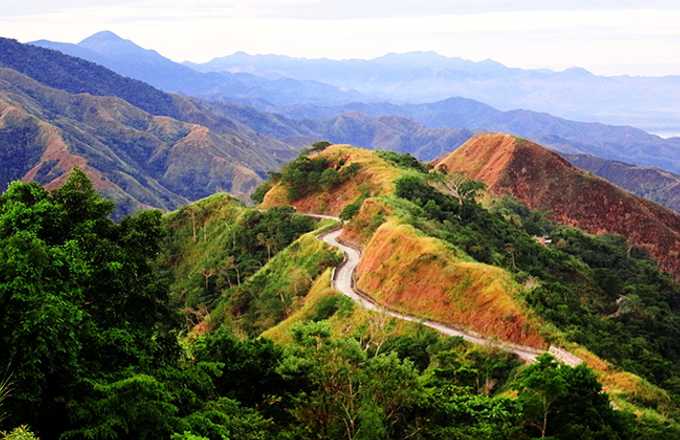
- Apayao is a landlocked province close to the northern tip of Luzon. It has wide fields and a diverse array of plants and animals.
- Ecotourism has almost become a synonym for Philippine tourism, which is good news for the area as a new tourist spot.
- If you’re a visitor who wants to see the less-travelled roads, Apayao has a lot to offer.
- Ilocos Norte and Abra are to the west, Cagayan is to the north and east, and Kalinga is to the south.
- Apayao is in the Cordilleras. Most people who want to visit the province typically do so through Ilocos Norte or Cagayan, depending on their mode of transportation and origin.
- Visitors are now more likely to visit holidays to Apayao because of the recent rise in ecotourism. Humans haven’t touched many forests, rivers, lakes, and caves in Apayao.
- However, the government is pushing the Lussuk caves in the town of Luna and Bacut Lake in Santa Marcela as the two main places to visit.
- Capital: Kabugao
- International Airport: The nearest major airports are Laoag International Airport (LAO) in Ilocos Norte and Tuguegarao Airport (TUG) in Cagayan.
- Currency: Philippine Peso (PHP)
- Time: UTC+8 (Philippine Standard Time)
- Driving side: Right-hand side
- Main electricity: 220 volts, 60 Hz
- Official languages: Filipino and English (local: Iñag/Isneg and Ilocano are widely spoken)
- Religion: Predominantly Roman Catholic, with significant Protestant and indigenous beliefs present
Reason 02
Highlights
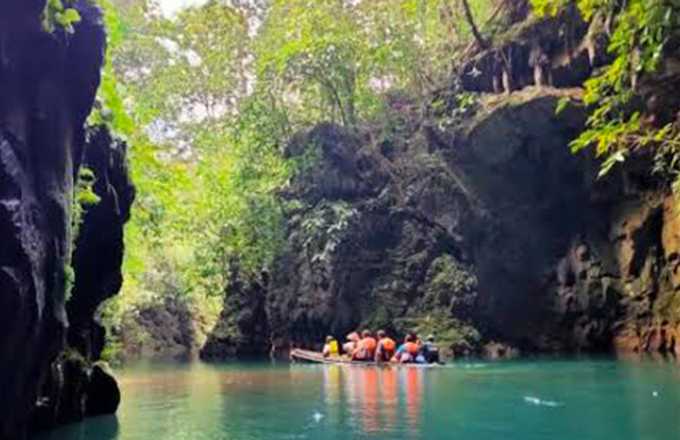
- Luna’s Lussuk caves have spectacular rock formations, but their crystal walls make them remarkable. There are no commercial tours of the cave; therefore, guests must hire a local guide to explore it.
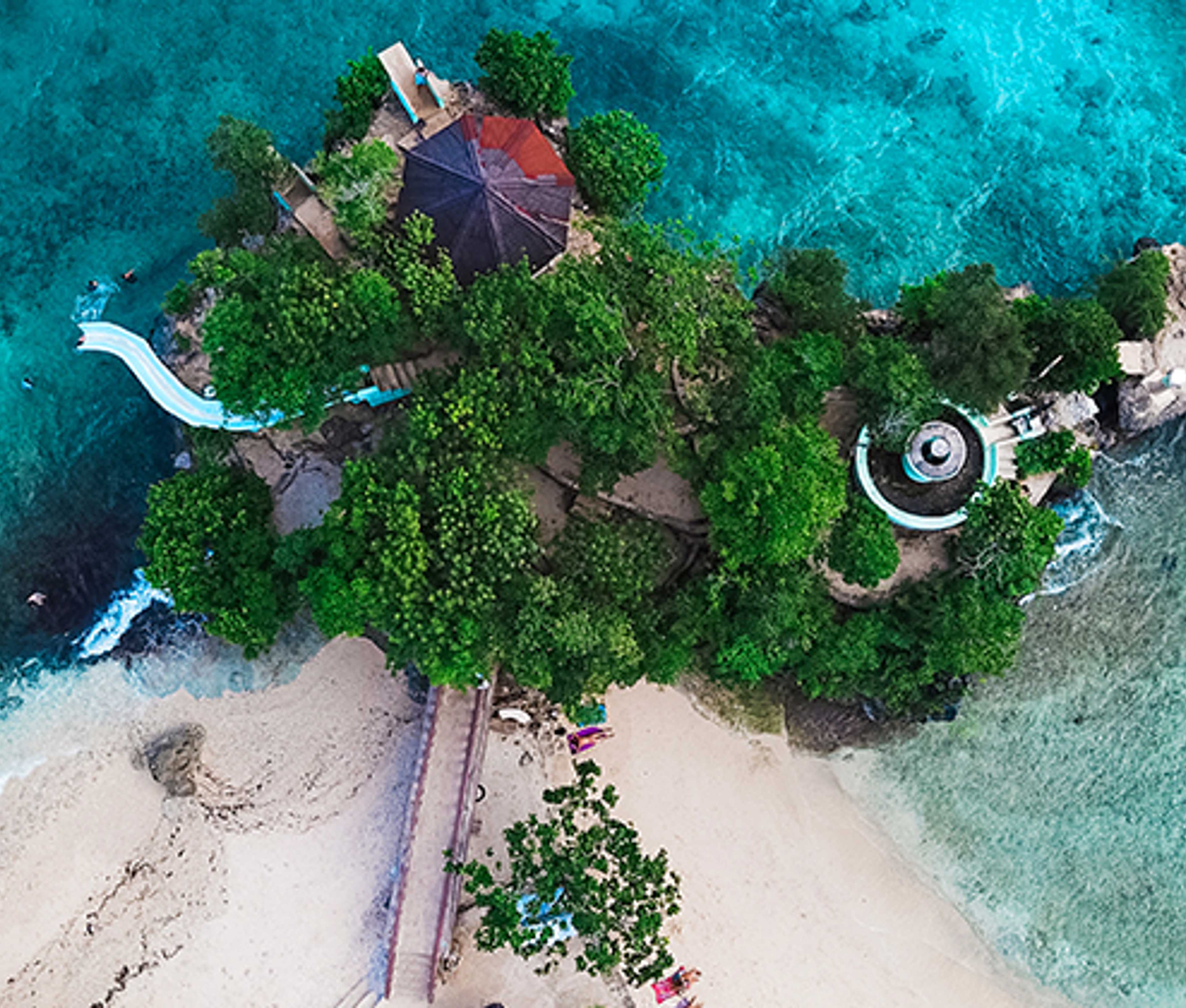
- A central islet makes Bacut Lake in Santa Marcela unique. In the nearly pristine habitat, the gorgeous lake supports a diverse array of plants and animals.
- Camp, tie a hammock between trees, and relax near the lake because tourists have not yet spoiled it. The lake is great for fishing, boating, and kayaking.
- Other natural treasures in the province include holidays to Apayao, the Apayao River, Marag Valley viewpoint, and Anag-sika-po animal sanctuaries. Also, the unexplored Maton Underground River.
- Besides ecotourism, Apayao provides something for history buffs. As one of the first Spanish friar settlements in the Philippines, it has many historic churches. One of the oldest Spanish churches in the country is in Pudtol.
- Agriculture in Apayao means good food from fertile lands. The Cordillera Administrative Region offers many delights. Binatog, which consists of white corn kernels, shredded coconut, and sugar, is one such delight.
- This afternoon snack is a hit with kids and adults. Peanut brittle, prepared from local peanuts or cashew nuts and caramelised with brown sugar, is famous in the region. This delicious confection is commonly bought as pasalubong.
- The province of Apayao is a hidden gem with abundant natural resources and undeveloped ecotourism potential.
- This disadvantaged province should benefit from its lush forests, attractive rivers, and intriguing caverns.
Reason 03
Seasons to Travel
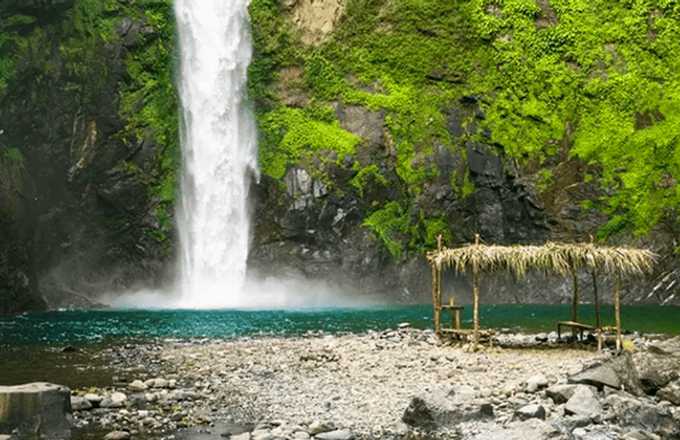
- The best time to go on holiday to Apayao depends on your preferences and the type of experience you desire.
- You can figure out the best time to visit by knowing about the weather and events going on in the area.
- Most people think that the best time to visit Apayao is during the dry season, which runs from November to April.
- Most of the time, the weather is dry, with bright skies and nice temperatures. However, since this is the busiest time of year, expect increased crowds and higher fees for hotels and tourism services.
- The rainy season, which lasts from May to October, is a different time to visit Apayao, though. As the rain falls more, the area becomes green and lively.
- It’s crucial to keep in mind, though, that some attractions may not be easily accessible or may be closed for a short time due to weather conditions.
Reason 04
Worth A Visit

Isnag Museum
- The Isnag Museum in Calanasan, Apayao, Philippines is a cultural and historical place. It is a memorial of the Isnag people’s rich culture and history. They are one of Apayao’s native tribes.
- The museum has a replica of an Isnag house, which gives visitors a good idea of what life was like for the tribe in the past.
- The house is made of wood and has a thatched roof. The walls and pillars are beautifully carved and decorated.
- The museum has a lot of antique things, traditional garments, household items, and musical instruments that show how the Isnag people lived and what they did.
- Visitors can learn about the tribe’s traditional ways of doing things, including farming, weaving, and wood carving.
- There is also a section of the museum that is about the tribe’s history. It features displays of tools and ceramics from before the colonisation.
- Holidays to Apayao, visitors can learn about how the tribe fought to keep their culture and way of life alive and how they fought against Spanish colonisation.
Pudtol Waterfalls
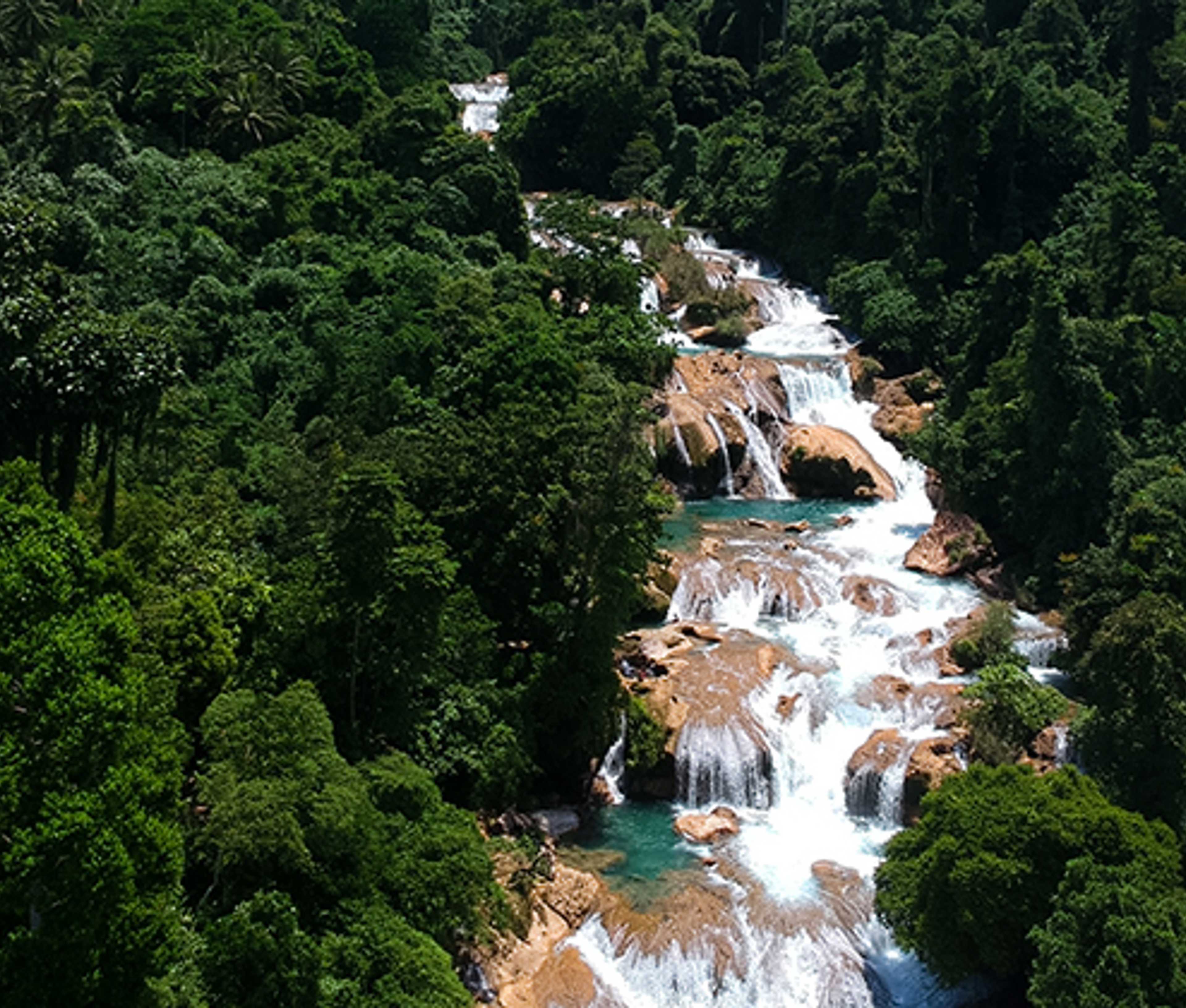
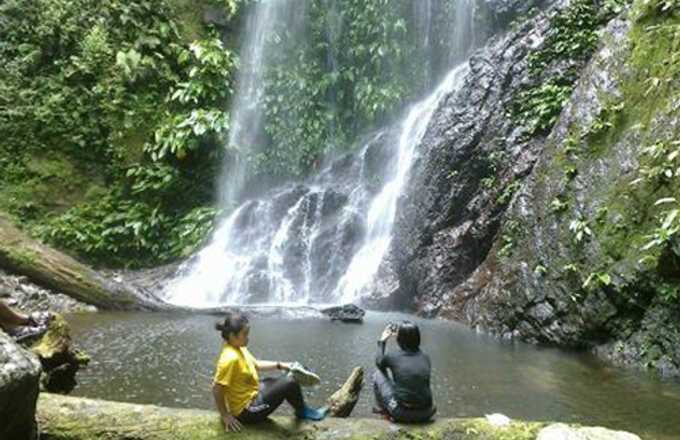
- One of the most well-known waterfalls in Apayao, which is in the northern part of the Philippines, is Pudtol Falls. It stands out due to its series of waterfalls and crystal-clear pools, which are ideal for swimming and diving.
- There are many flowing streams in Pudtol Falls, and each one has its own personality. The falls are stunning as they fall over cliffs.
- The pools at the base of the falls are very clean and have a bright blue-green colour. You can see rocks and fish moving in the clear water.
- Discover more: Clark is the best place to visit in Pampanga for nature, history, and more.
- The nearby Pudtol River and the town’s famous Kaangrian Festival are both enjoyable attractions. Guests can also try local specialities like Pinikpikan and Tupig, which are famous meals in the area.
Lussok Cave
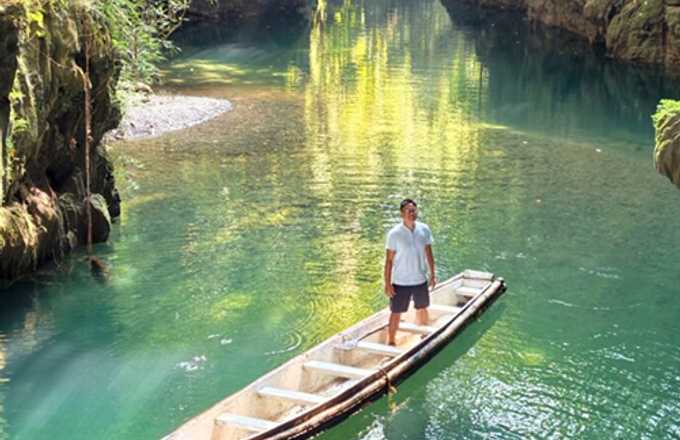
- Natural marvel Lussok Cave is located near Luna, Apayao Province, Philippines. Outdoor and animal enthusiasts must visit.
- An underground river connects cave chambers. Boating on the river is a unique and exciting experience. Fish and crabs live in the river.
- The stunning rock formations of Lussok Cave date back thousands of years. Stalactites, stalagmites, and other remarkable rock formations decorate the cave walls, impressing tourists.
- Many bats reside in the cave and can be seen soaring overhead or roosting on the walls. Seeing the bats in action enhances the shelter visit. The colony makes Apayao a top natural spot.
- Lussok Cave is dangerous. Cave exploration involves climbing, crawling, and wading through underground rivers. The refuge offers a unique trip and a chance to explore the earth’s natural beauty to those who are willing.
- Lussok Cave requires a tour guide to describe its history and development. Our World Pinoy Flight knowledgeable tour guides ensure a safe and educational experience for everybody.
Reason 05
Discover More
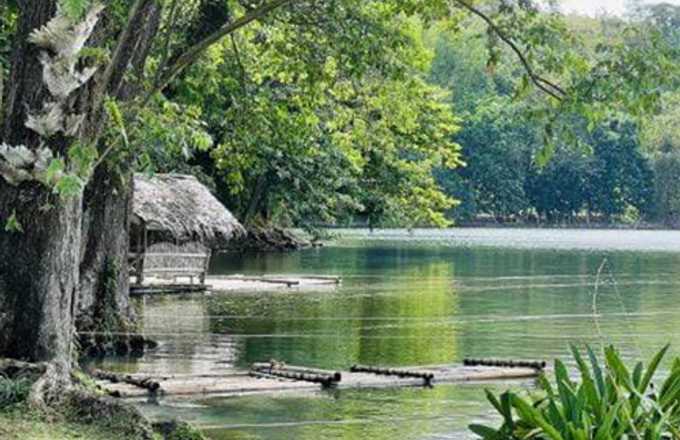
Bacut Lake Tourism and Nature Park
- The Bacut Lake Tourist and Natural Park is a beautiful place to visit in the province of Apayao in the Philippines.
- Beautiful scenery and a peaceful atmosphere make Bacut Lake a popular place for nature lovers, thrill seekers, and tourists who want to rest and relax.
- Tourists can experience the natural beauty of the Philippines in this park, which features lush forests, rolling hills, and crystal-clear lakes.
- Bacut Lake is the park’s main attraction. It’s a calm body of water that covers more than 200 hectares and is surrounded by lots of plants.
- One of the best ways to see the park is to walk one of the many trails that run through it.
- These paths lead to beautiful views of the lake and the chance to see birds, flowers, and wild boars that live in the area.
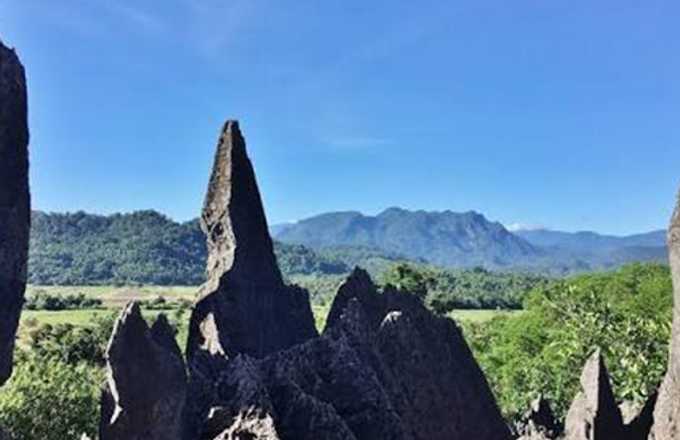
Dupag Rock Formation
- The Dupag Rock Formation is composed of several rough limestone rocks that are approximately 7 to 8 feet high.
- It is very challenging to reach the summits of the mountains, especially if you are not a seasoned hiker. But surely the thrill and the beautiful view from the top will make up for it.
- Because the boulders are rough and sharp, tourists and guests must wear the right shoes and safety gear.
- The tallest point is called Father Rock. It offers a stunning view of the surrounding fields, valleys, woods, and rivers.
- Because of its shape, Dupag Rock was a popular place for locals and rebels to hide during wars and riots.
- Because of this, it is an important part of the area’s history. It is now one of the most popular places for tourists to visit in Luna, Apayao province.
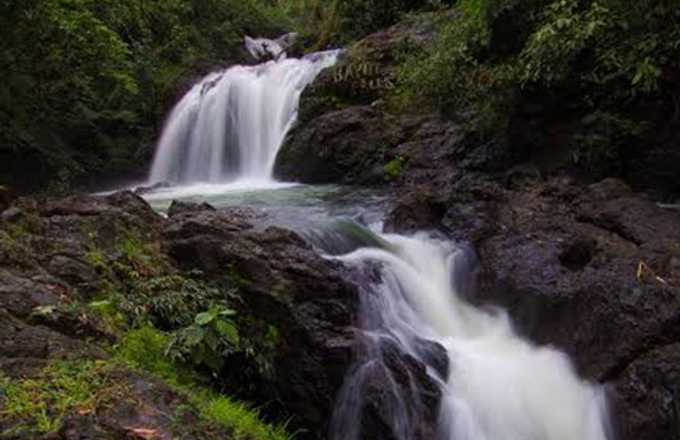
Bayugao Falls
- Bayugao Falls are a group of small waterfalls with pools that were formed by nature. Their cool, clear water creates a beautiful sight that complements the surrounding woods.
- Jump from one of the rocks around the pool towards it if you want to get a thrill. One of the most popular places for tourists to visit in Apayao is Bayugao Falls.
- Calanasan Philippine Eagle Sanctuary
- The severely endangered Philippine Monkey-eating Eagle lives in Calanasan’s extensive lowland woods. The species survives on Apayao. There are about 25 eagles in the region.
- Calanasan’s forests are home to several species, including the Northern Luzon cloud rat.
- Large Rafflesia blossoms are also seen. Lawaan and other big dipterocarp trees dominate many places.
- They can reach 10 stories. About 20 people would have to run around their huge buttresses.
- These keystone species must be safeguarded from legal and illegal logging. They are vital to the ecology and local populations. Luckily, local administrations are taking the lead.
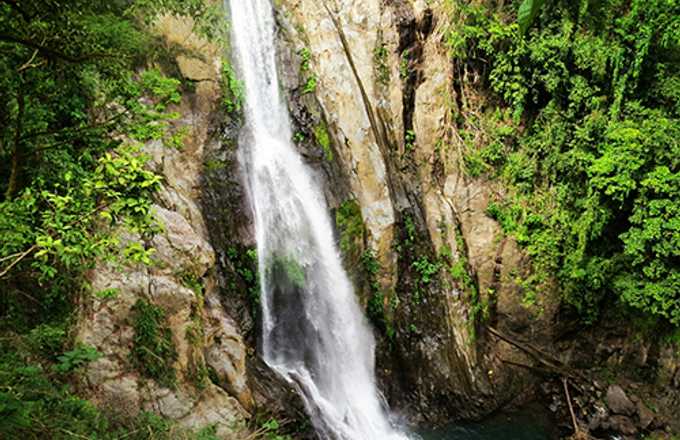
Gololan Falls
- More than 33 meters of water falls at Gololan Falls. Because of the rocks that block the sun at the bottom, it make a small rainbow when it’s sunny.
- The water from the falls made a deep, wide pool. This is a great place to go swimming. It’s a great place to jump or dive because of the nearby rocks.
- It takes about 30 to 45 minutes of hiking to get here. Remember. This walk goes lower.
- But along the way, wonders in nature like orchids, birds singing, and trees rustling would always make you feel better. Of all the places to visit in Apayao, this one should be at the top of your list.
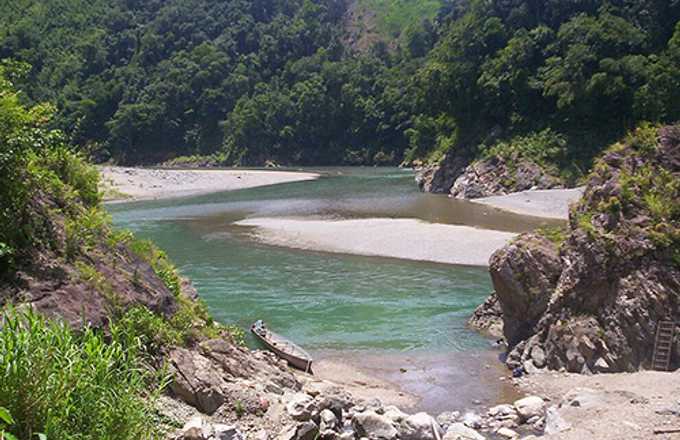
Abulog/Apayao River
- The Apayao River flows through all of Apayao’s towns except for Conner. The river flows for more than 181 kilometres, making it the longest in that state.
- It starts in the Calanasan hinterlands and gets bigger as it goes through the different towns.
- As one of the biggest and cleanest rivers in the country, the Apayao River is a favourite among river lovers. A wide variety of marine species inhabit the area. You can even see big fish swimming. On some parts of its banks, there are also hardwood trees and dense woods.
- There are also whitewater rafting sports that can be done on this river. Aside from the woods, people can see beautiful waterfalls that flow over them.
- It’s interesting that the Isneg society, called Lapat, kept the river’s beauty and wealth.
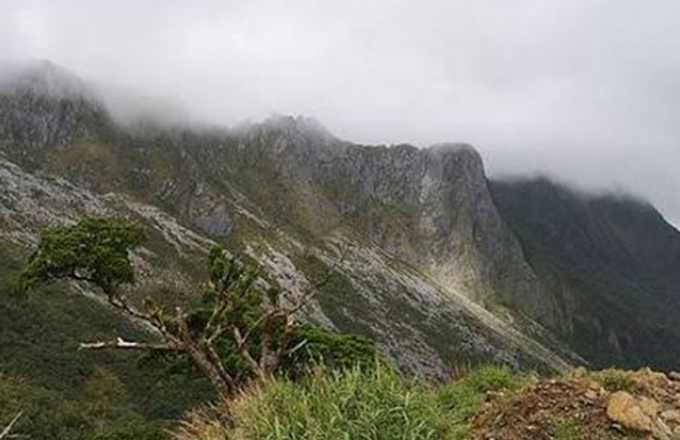
Mt. Kilang
- More than 1,656 meters above sea level (MASL) is how high Mt. Kilang is. In Northern Apayao, this makes it one of the tallest hills in the region. From the border between Apayao and Ilocos Norte, you can see it.
- From 4 am to 5 am is the best time to see how beautiful it is. If you want a challenge, you can try climbing to the top of it.
- You must walk through thick, mossy woods to reach the summit of Mt. Kalang. In some places along the trails, you can see beautiful rock structures. Some of these are sharp, so be extra careful not to get hurt or start a fight.
- From most trailheads, the hike takes hours. But on clear, sunny days, you could see the huge woods of Apayao and the mountain ranges of Ilocos in a way that would take your breath away. A sea of cloud shapes often shows up, too.
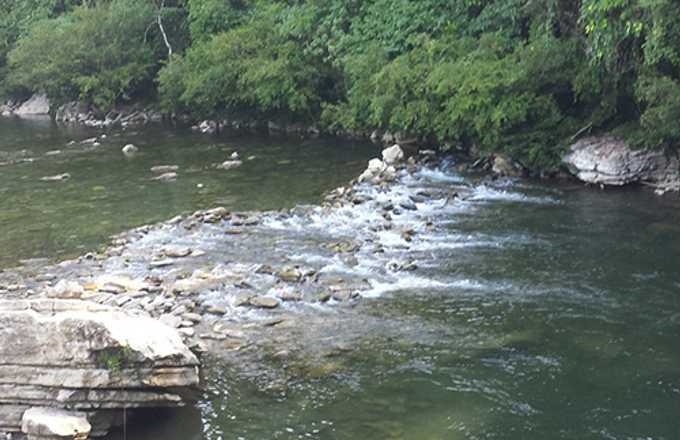
Maton River
- A lot of dipterocarp woods can be found in both Pudtol and Calanasan. Many brooks and streams get their water from these forests. They then join together to make the famous Maton River.
- Maton River is now making a fuss among Apayao’s tourist places. In fact, it’s more than just a favourite place for locals to get away. It is now a rising Pudtol come-on.
- There are many holes in the river. It’s okay to swim and boat in these. Below the Maton, there is a popular pool with a small fall. The water there is cool and crystal clear.
- The area has a lot of different rock shapes. These are great places to jump. Oh, the tallest of these is a 15-foot ledge. Everyone who likes to take risks should give this a try.
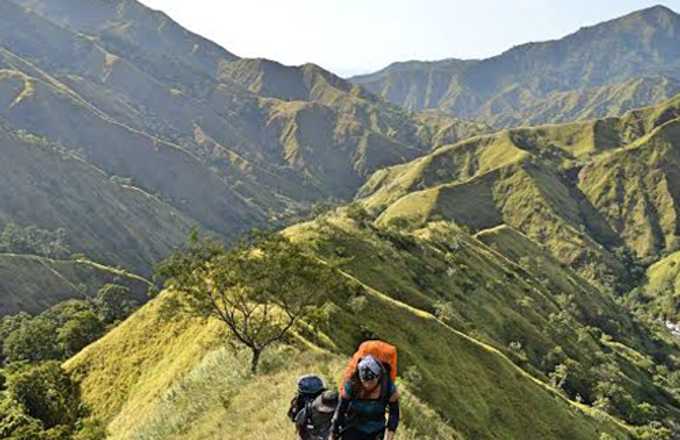
Mount Sicapoo
- Nature lovers, mountain climbers, and even biologists can have a thrilling and difficult journey in the sanctuary. To get here, you have to walk for at least 10 hours.
- You’ll see different kinds of plants and animals along the way, like deer, wild pigs, and hornbills. Who knows? You might even see the hard-to-find Philippine eagles that live in the old-growth woods.
- The hike to Mount Sicapoo can go on for another four hours for those who want to take on a bigger task.
- We hope that the local government will continue to take strict steps to protect these resources and handle them in a way that doesn’t harm them.
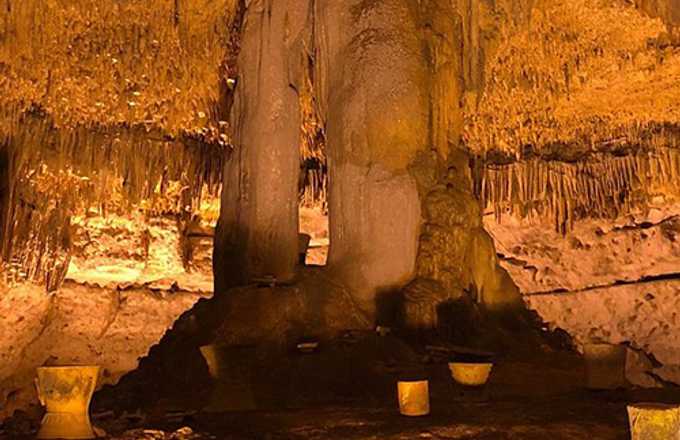
Banselan Cave
- One of the most well-known tourist destinations in Apayao province is the Banselan Cave. This spot is about a 30-minute hike from the main part of Barangay Cupis.
- Along the beautiful Bagumbong River, the trail goes. The cave comprises three rooms, each with its own distinctive collection of beautiful stalagmites and stalactites.
- There are three small waterfalls in one of these rooms. Their clean water flows over rocky outcroppings made of crystal. The cave is also home to bats, crabs, rare spiders, and other animals.
- Like other caves in Apayao, this one can be used for spelunking, hiking, and even picnicking.
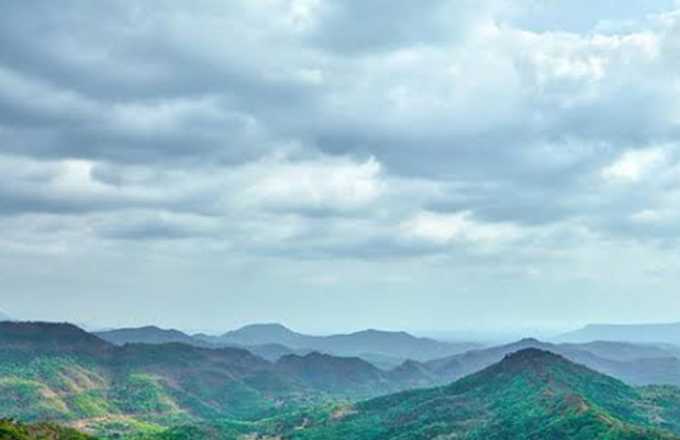
Agora Wildlife Sanctuary
- A lot of the land in Pudtol is protected as Agora Wildlife Sanctuary. It features one of Apayao’s dipterocarp woods that is still largely intact. Unique plant and animal species also thrive here.
- Brooks and streams that flow into the Apayao River get their water from the woods.
- People who live in the area say that the wild woods hide many treasures, like limestone rock formations and caves that haven’t been explored yet. There are also different streams here.
- Unfortunately, both large-scale and small-scale logging are putting Agora’s rich biodiversity at risk. Therefore, some people in the area devised plans to prevent destructive actions.
- This refuge is important to protect because it not only keeps animals safe but also helps with long-term and community-based growth.
Reason 06
Culture Traditions

- The Apayao Cordillerans are culturally rich. Their identity is rooted in language, music, and dance. Oral traditions, traditional instruments, and expressive dance preserve history, enjoy nature, honour ancestors, and promote indigenous cultures.
- Apayao, in the northernmost Philippines, is rich in culture and nature. It is home to the Apayao Cordillerans, an indigenous community with a centuries-old culture.
- Farming, weaving, singing, and dance are all part of their culture. The Apayao Cordillerans appreciate nature and have protected their villages’ woods and mountains.
- The province blends traditional rites with modern living, and the Cordillerans’ spirit lives on.
- The various Apayao Cordillerans of the Philippines’ Cordillera area have a rich language legacy. Isneg (Isnag), Kalinga, Ibanag, and Ilocano are the main languages.
- Isneg is the most widely spoken language among the Apayao Cordillerans, indispensable for community communication. Apayao Cordillerans utilise their language to communicate, share history, traditions, and beliefs.
- Language allows them to pass on their knowledge and preserve their identity. In a fast-paced, globalised world, language is vital for preserving cultural traditions.
- Apayao Cordillerans’ dynamic musical history blends traditional sounds to express their rich cultural heritage. Their music is influenced by nature and features a diverse range of styles and instruments with cultural and metaphorical significance.
- Dance is a vital way for Apayao Cordillerans to convey their traditions, beliefs, and culture. It symbolises nature, agriculture, and ancient lore via each dance.
- The Apayao Cordillerans’ culture is firmly rooted in their lifestyle. These traditions preserve their culture, strengthen communal relationships, and carry on inherited information.
- For generations, the Apayao Cordillerans have told myths, folklore, and folktales. These stories foster cultural pride and identity by sharing their rich history, cherished values, and timeless wisdom.
- The Apayao Cordillerans are deeply connected to nature and practise sustainable agriculture, forest management, and herbal medicine. This shows their ecological awareness, respect for nature, and belief in the interdependence of all life.
- Ceremony and rituals are important in Apayao Cordilleran culture. Meaningful rituals include traditional music, dancing, and offerings to ancestral spirits at birth, marriage, and death. These rituals enable them to connect with ancestors, seek blessings and guidance, and build community.
- Craftspeople specialise in weaving, woodcarving, basket-making, and metallurgy. These crafts exhibit artistry and culture while being functional. The elaborate patterns and decorations in their crafts represent their beliefs, stories, and nature.
- Filipino Apayao Cordillerans have a lively culture, including language, music, and dance. They still commemorate their own customs and traditions from generations past.
- Stories, music, and dance help the Apayao Cordillerans preserve their culture. A community and a close-knit family are also important. Their society has nurtured this rich cultural heritage.
- As we discover the world’s amazing civilisations. Celebrating each community’s unique contributions is crucial. The Apayao Cordillerans’ contributions to world culture are an example.
Reason 07
Food Fun Fashion
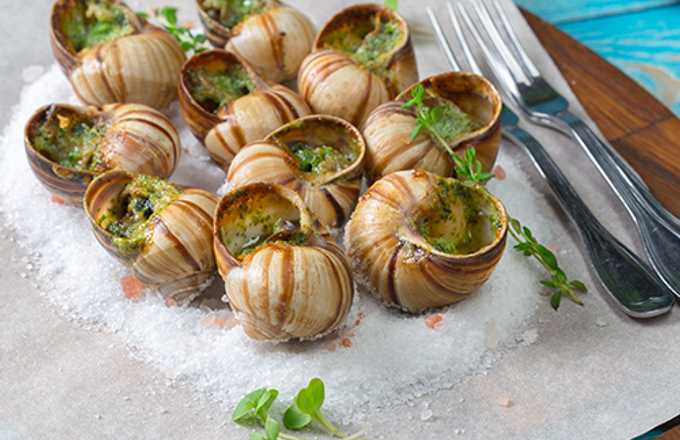
Food
- Locals enjoy inanchila, a banana-leaf-wrapped sticky rice dish, at festivals and social events. Coconut milk and sugar make it thick and filling. Inanchila demonstrates how simple ingredients can become comforting and exceptional, reflecting Apayao’s agricultural heritage.
- Kinirog is an earthy, pleasant vegetable stew made from banana heart, sweet potatoes, and string beans, frequently with fermented fish or pig for flavour. Locals eat it with rice as a comfort dish.
- Binungor—slow-cooked river snails, veggies, and chillies in coconut milk—is spicy and flavourful. This cuisine is perfect for thrill-seekers and showcases Apayao’s rich bounty from its forests and rivers. Fresh with steaming rice.
- Local sticky rice, sugarcane molasses, and grated coconut are used to make kankanen rice cakes. These handcrafted sweets are sold in marketplaces and shared during holidays, symbolising community spirit and the province’s love of homemade goods.

Fun
- In Lussok Cave, kayakers paddle in pristine water. Adventure and geology meet on the boat tour of natural caverns. It is peaceful, bizarre, and great for people seeking more than cave walking.
- Maton River trekking involves walking and swimming along the picturesque Maton River. Slippery rocks, bamboo bridges, and jungle paths will find you. Bird songs, secret pool splashes, and the feeling of being an explorer in your own story will reward you.
- Trek to Bayugao Falls for a refreshing mist and spray following this forest walk. The view is classier than the trail. Bring snacks, a swimsuit, and a camera—this pristine beauty will feed your soul.
- Flora Forest Birdwatching Apayao is a refuge for rare and endemic birds. Early morning Flora woodland walks offer good chances of seeing colourful feathered friends. It’s a relaxing hobby for photographers and people seeking peace.

Fashion
- Luna Market sells exciting local goods. Its gifts include fresh produce, woven goods, and handcrafted snacks. While buying hand-woven baskets or mountain honey from Apayao, you can chat with pleasant locals.
- Kabugao souvenir stands sell jewellery, native textiles, and carved wooden sculptures made by indigenous people. You receive unique, culturally crafted items and support a livelihood by shopping here.
- Conner Handicrafts Cooperative: This modest cooperative promotes Isneg culture through handmade crafts. Their products include sustainable bamboo and colourful textiles. Witnessing weavers and artisans at work enriches the purchasing experience.
- Inanchila, sweet bananas, and local vinegar are available at Local Food Corner in Pudtol. These family-run food stands preserve traditional cooking. It is a cheap and tasty way to try Apayao’s food.
Reason 08
Nature Safari
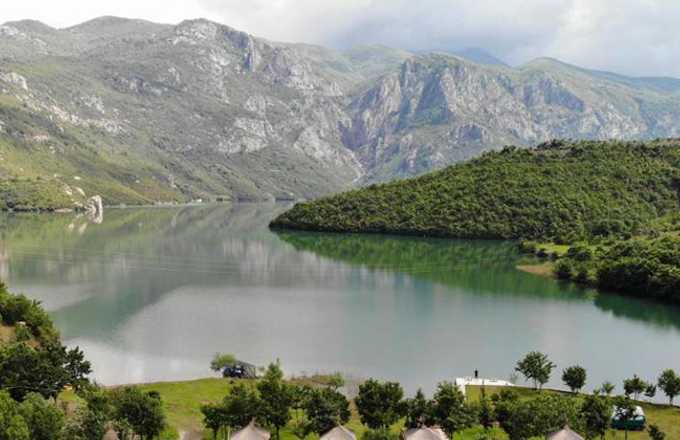
- The Philippines’ holidays to Apayao province are home to the stunning Bacut Lake Tourist and Natural Park. Bacut Lake is a well-liked holiday spot for adventurers, nature enthusiasts, and travellers wishing to decompress and relax due to its serene setting and stunning scenery.
- With its verdant forests, rolling hills, and glistening lakes, the park offers visitors a glimpse of the natural beauty of the Philippines. Bacut Lake, a serene body of water spanning more than 200 hectares and encircled by beautiful vegetation, is the park’s focal point.
- One of the best ways to explore the park is to hike the many paths that wind through it. Along with the chance to see native species, including birds, butterflies, and wild boars, these paths offer stunning views of the lake.
Reason 09
Events Fiestas
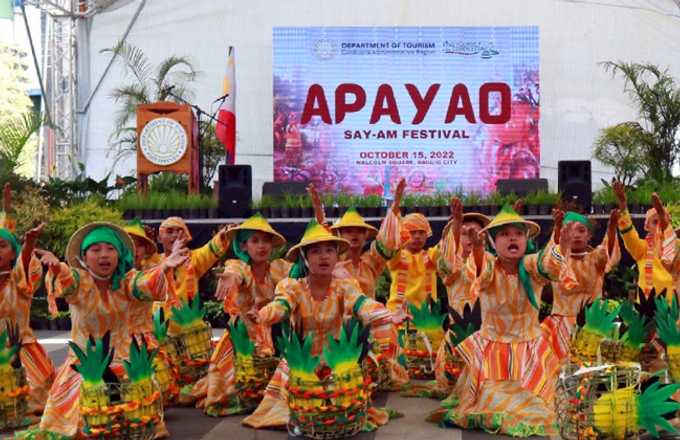
- Say-am Festival is an annual cultural event in Flora, Apayao, Philippines. The Isnag people of Apayao celebrate their unique culture and traditions at the festival.
- The week-long November Say-am Festival features cultural performances and activities. The Isnag word “Say-am” means “to meet or collect.”
- Local dishes include “binallay” (sticky rice cake), “abra” (bamboo shoot soup), and “inabraw” (vegetable soup). To showcase provincial cuisine, these dinners are served during the event.
- The celebration features a colourful street dancing competition with Isnag-dressed contestants. Isnag culture relies on the gong, which the dancers follow. Festival highlights include the street dance competition, which draws locals and visitors.
- In addition to street dancing, the Say-am Festival features indigenous games like “palo sebo” (climbing a greased bamboo pole for a prize), “sipa” (kicking a rattan ball), and “tug-of-war” (a strength and endurance contest).
- The weeklong Pudtol Town Festival celebrates the town’s culture, tradition, and history.
- The festival begins with a huge parade of colourful floats and street dancers. Each Pudtol barrio (village) represents its culture and heritage in the procession. The street dancing competition to traditional music is a highlight of the festival.
- Visitors can eat traditional Filipino rice cakes, or “kakanin,” during the Pudtol Town Festival’s “Kakanin” festival and a food fair with other local cuisines.
- Cultural performances, such as the Kalinga “banga” dance and the Itawis “Inagong” dance, are also available throughout the festival.
- Teams compete in “tug-of-war,” a traditional sports game, utilising rattan ropes.
- In addition to cultural and traditional festivities, the Pudtol Town Festival features “Mutya ng Pudtol,” a beauty pageant for the town beauty queen.