

DiscoverBasco
Discover the natural beauty, culture and heritage of Basco.
Book Now Pay Later











Loading traveller reviews…
Join Our Newsletter
Get tailored flight deals, travel tips & inspiration straight to your inbox.
HandpickedBasco HolidayDeals
Complete holiday packages with flights, hotels and experiences in Basco.
Stays AcrossBasco
From luxury beachfront resorts to city hotels and budget stays.
UnforgettableExperiencesin Basco
Search and book amazing activities and tours across Basco.
Top 10 Reasons to Visit Basco
Reason 01
A Sneak Peak into Basco

- The charming city of Batanes is Basco. It’s a hidden gem that boasts beautiful scenery, rich cultural history, and a friendly vibe.
- Located in the northernmost part of the Philippines, this beautiful spot is known for its stunning views of the Pacific Ocean, rolling hills, and rough beaches.
- The traditional Ivatan stone houses in Basco will fascinate you as you walk around.
- They depict resilience and innovation in the face of nature. Locals are warm and make guests feel like family.
- When you walk into Basco, it’s like walking into a postcard—every corner shows you a different beautiful view.
- The famous Basco Lighthouse is proudly perched on a hill, and the views from there are breathtaking, especially at sunset.
- The lush green hills of Marlboro Hills are perfect for hikers and photographers who want to try something new, while the beautiful beaches are perfect for people who want to rest.
- Travellers in the Philippines who want a real experience should visit Basco for its natural beauty and cultural richness.
- Basco is a culture haven as well as a beautiful place to visit. The Ivatan people have a unique history that can be seen in their customs, festivals, and food.
- Visitors can really experience the culture by taking part in community events or eating traditional foods like *uvud balls* and *tubong*.
- No matter if you’re looking at historical sites like the San Carlos Borromeo Church or just taking a stroll through town, Basco offers a fun trip full of discovery and adventure.
- Capital: Basco is the capital of Batanes province
- International airport: Basco Airport (BSO) is the only airport in Batanes province and is located in Basco
- Currency: The Philippine peso (PHP) is used in Basco and the rest of the Philippines
- Time: Basco follows Philippine Standard Time, which is UTC+8
- Driving side: In the Philippines, people drive on the right-hand side of the road
- Main electricity: The standard voltage in Basco, as well as in the rest of the Philippines, is 220V/60Hz
- Official languages: Filipino and English are the official languages of the Philippines, although Ivatan, the local dialect of Batanes, is also spoken in Basco and other parts of the province
- Religion: Most of the population in Basco and the rest of the Philippines are Christians, with Roman Catholicism as the predominant religion
Reason 02
Highlights

- Many tourist attractions in Basco highlight its rich history and magnificent natural beauty.
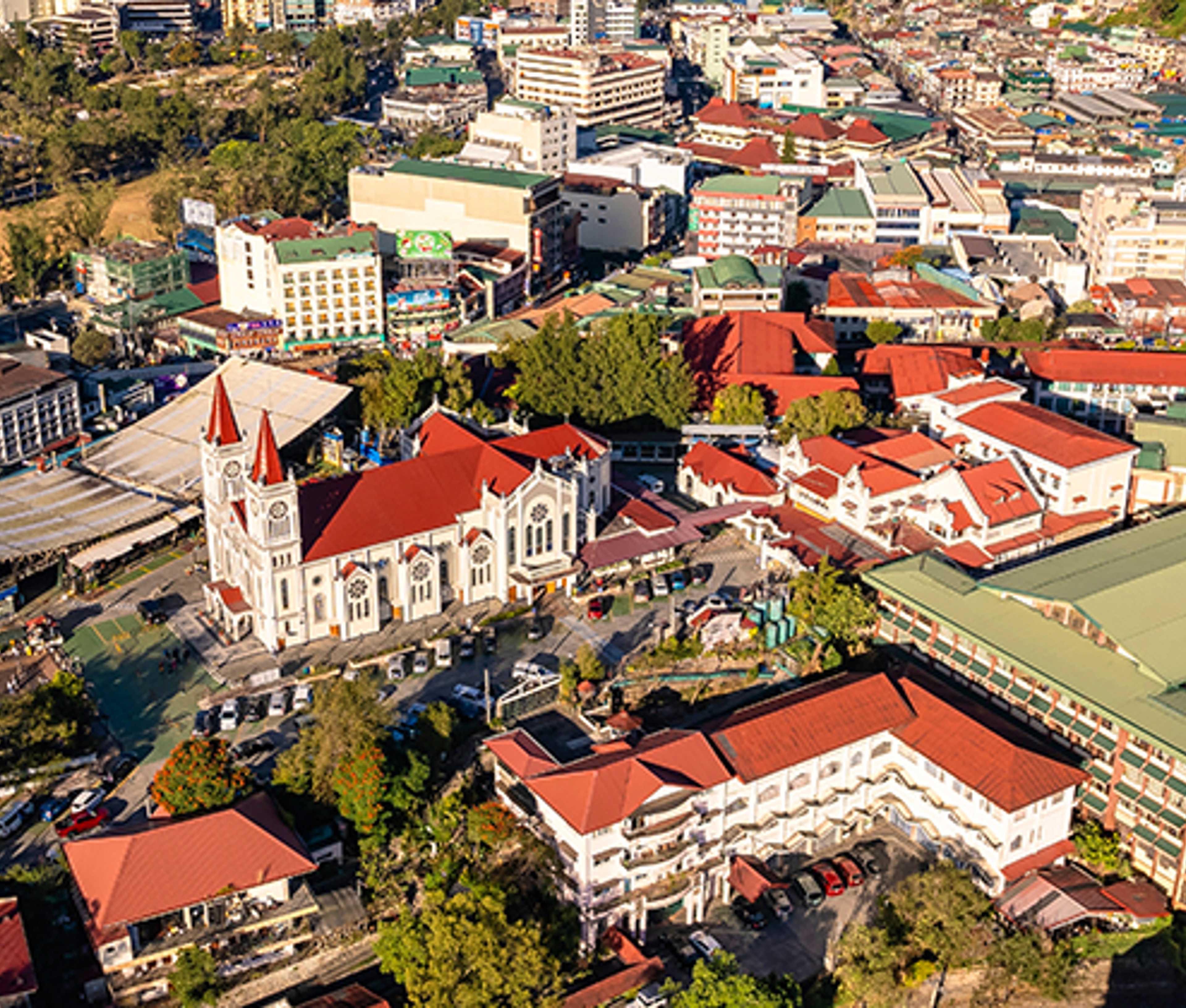
- The old **San Carlos Borromeo Church** embodies local culture and architecture and is a must-see.
- This remarkable stone church shows Ivatan spirituality. Visitors can learn about the church’s communal significance while enjoying the peaceful environment and beautiful craftsmanship.
- Basco Lighthouse, perched on the hills overlooking the sea, is another famous destination.
- This lighthouse guides navigation and gives panoramic views. Photographing and soaking in the scenery from the summit is ideal.
- The lighthouse is popular with couples and families after sunset because it becomes even more magical.
- Marlboro Hills is a must-see for nature lovers. Hiking and picnicking in the lush hills is beautiful.
- The fresh air and beautiful vistas make it ideal for outdoor activities. Walk through the region to admire the scenery and possibly spot wildlife. With so much to see and do, Basco’s attractions will enhance every visitor.
Reason 03
Seasons to Travel

- Timing might improve your Basco holiday. Visit in November–April for dry weather.
- Clear skies and temperate temperatures make these months perfect for outdoor activities.
- The region’s natural attractions and magnificent vistas are even more beautiful in the sun.
- The Basco cultural calendar also relies on local festivities. The *Vatan Festival* in April, which celebrates the Ivatan people’s rich past with colourful parades, traditional dances, and culinary demonstrations, is highly anticipated.
- This time, let’s give our visitors a glimpse into the vibrant local culture and the community’s pride in their traditions.
- The January *Feast of San Carlos Borromeo* celebrates villagers' spirituality with religious processions and community gatherings.
- May to October is the rainy season, which is beautiful for nature lovers. While typhoons occur, the environment turns green and the waterfalls become more noticeable.
- These months are ideal for solo travellers seeking a more peaceful experience, as they attract fewer tourists. Whatever time you visit, Basco’s beauty will impress.
Reason 04
Worth A Visit

• The Basco Lighthouse
- The Basco Lighthouse is one of the three main lights in the province of Batanes.
- Standing 66 feet tall, it overlooks Batan. Since its 2003 construction, it has guided local fishermen.
- The fifth level of this six-story structure has a deck overlooking the West Philippine Sea, Mt. Iraya, and Basco.
- The best time to visit the lighthouse is during the summer, which lasts from March to the last few weeks of May.
- Since it’s less likely to rain during these months, you can enjoy the great view of Batanes from the lighthouse’s deck even more.
- Our Batanes tours are the finest way to visit the tower and other landmarks.

Sabtang Island
- Among the eleven Batanes islands, Sabtang Island is a notable one. South of Batanes is the smallest of the three inhabited islands.
- In 1786, Spain ruled the island. This baptised 200 native children and taught adults catechism. Spanish missionaries’ bad health hindered Catholic influence.
- Evangelism continued in 1845 under the island’s first priest, Fr. Antonio Vicente. He constructed San Vicente Ferrer Church, a convent, a school, and a courthouse.
- Sabtang's landmark is Saint Vicente Ferrer Church. One of the province's oldest churches, built by Dominicans in 1785. National historic landmarks include this church.
- Savidug Village in eastern Sabtang attracts tourists with its cogon roofs and stone walls. Another Sabtang village, Chavayan, is south. The Sabtang Weavers Association, which is made up of native women, makes vakul in this little community.
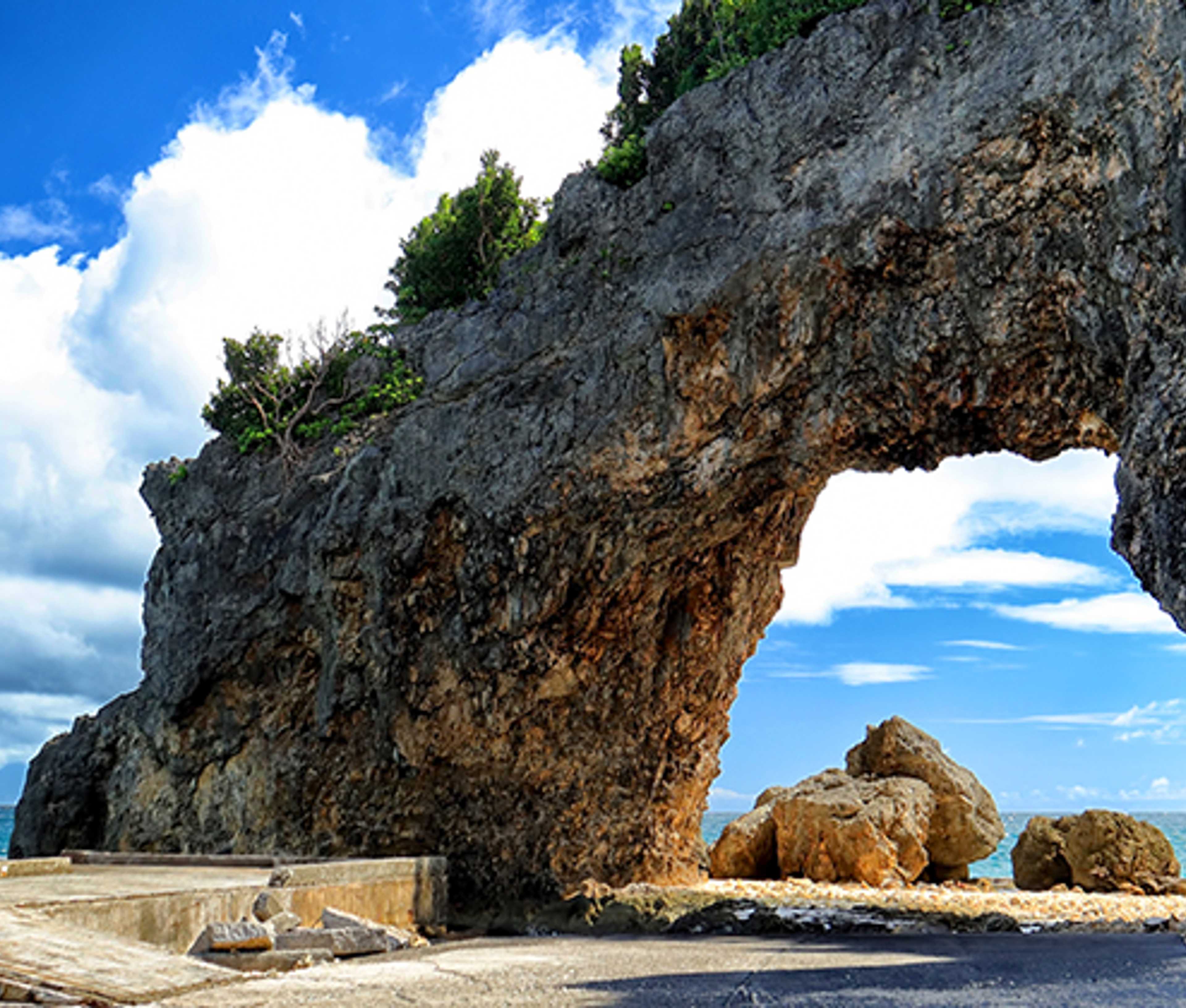
- Island attractions include Chamantad Cove and Tinyan Viewpoint. This place offers grassy slopes, rocky rocks, and a coastline. The Mahayao Arch, Sabtang's most famous monument, is located on Morong Beach.
- San Jose de Ivana Church, Sta. Rosa de Lima Chapel, Sabtang Lighthouse, and other notable attractions are close.

Vayang Rolling Hills
- One of the best places to visit in Batanes is the Vayang Rolling Hills.
- The hills, which are covered in green grass and trees, are a great place to relax and enjoy the province’s calm and easygoing vibe.
- From the Vayang Rolling Hills, you can see Mt. Iraya, Batan Island, Sabtang Island, Itbayat Island, and the West Philippine Sea without any obstructions.
- As you travelled over the hills of Vayang, you could see cows and goats eating grass. This is because a lot of the city is utilised for farming.
- The greatest time to go to the Vayang Rolling Hills is in the summer or dry months, exactly like the rest of the province.
- This usually starts in March and ends in early June or the last few weeks of May.
- Also, if you want to see the sky turn a nice orange colour over the hills and islands, you should go around 5 PM, when the sun starts to go down.

Valugan Boulder Beach
- The Valugan Boulder Beach is on the coast of Batan Island and is three kilometres long.
- The beach’s name comes from the fact that the shore is made up of boulders of different sizes.
- These boulders help make the area look spectacular, with cliffs that go practically straight up and down and rolling slopes.
- Locals said that the rocks here came from Mt. Iraya, an active volcano nearby. Once, rough andesite rocks were gradually smoothed out by the waves and tides.
- As the waves hit the shore, the loud whistling of the wind and the steady rumbling of the Pacific can be heard from the beach.
- As it turns out, the beach is a great place to relax, especially at sunrise. Even though it is a beach, swimming is not allowed because the ground is too rough. It’s also against the rules to bring stones home from the beach.
- If you want to visit this beach, the best time is during the dry season, which lasts from March to the last few weeks of May.
- During these months, it also doesn’t rain as often, so you can enjoy the view from the beach more. Tours of Batanes Island are the best way to get to the beach.
Reason 05
Discover More

Fundacion Pacita
- Fundacion Pacita is a top Philippine boutique hotel. A Batanes trip isn’t complete without Fundacion Pacita’s “Wuthering Heights” atmosphere atop a cliff with a 270-degree view of the sea, mountains, and sky.
- The Philippines is one of the few tropical countries where you might feel “winter” at this time of year.
- Narra flooring, hardwood furnishings, and artwork by famous Filipino and young Ivatan artists provide each room with a unique but friendly feel.
- All accommodations offer stunning views of the Pacific Ocean, West Philippine Sea, or the province’s picturesque hills. All guest rooms are of varied sizes and arranged around the main hotel building.
- All rooms include air conditioning, private toilets and baths, and hot/cold water. Fundacion Pacita has shuttles to and from the airport and the city, as well as a cafe, room service, and massages.
- Environment and nature are fundamental to Ivatan life. Moon phases and wind directions influence farming and fishing customs. Local wind directions name all Fundacion Pacita rooms.
- The hotel didn’t provide TVs or Wi-Fi in rooms, allowing guests to enjoy the peace and great view from their verandas for a true Batanes experience.

Basco Cathedral
- The province of Batanes was originally named Provincia de la Concepcion, but the parochial church was dedicated to St. Dominic de Guzman, the Dominicans’ founder.
- Since Dominicans were among the first to arrive in the country with the Spanish colonisers to conquer additional regions for la corona y por Dios, churches were often dedicated to St. Dominic. Missionaries claim the conquest for Dios.
- The first Batanes church was built in 1783 with wood and cogon. It was reconstructed from stone in 1795. Last reconstructed in 2011 after the July 2020 earthquake, it has experienced many changes over the centuries.
- In 1950, Basco became the cathedral church of the Immaculate Conception when the Territorial Prelature of Batanes Islands and Babuyan was officially set up under Nueva Segovia. It became a suffragan of Tuguegarao in 1974.
- It became the Territorial Prelature of Batanes in 2002. Since Cagayan is a civil province, the Archdiocese of Tuguegarao already ruled the Babuyan Group of Islands.
- The Philippines is named Pueblo Amante de Maria because the Virgin Mary, the Immaculate Conception, is its patroness. There are 14 cathedrals in the Philippines devoted to the Immaculate Conception, which shows how much Filipinos love the Virgin Mother.
- Batanese people are familiar with divine figures protecting them. Before Christianity reached Batanes, the Ivatans relied on Iraya’s maternal supervision.

Chawa View Deck
- One of the best parts of South Batan Island in Batanes is the Chawa View Deck.
- The view deck was built on a hill between Basco and Mahatao, two towns. It looks out over the West Philippine Sea.
- You can see the sea, green hills, and rock forms from the Chawa View Deck.
- Visitors can sit on concrete benches on the deck and can visit the Grotto of the Virgin Mary.
- Another great thing about this spot is the steep stairs that lead to the rocky shore that faces the ocean.
- There are several planes and more than 100 moves in it. At the bottom, there is a “mini pool” that is a different colour from the ocean water and stays in one small area.
Reason 06
Culture Traditions

- Basco must be experienced in its culture to be fully appreciated. Visitors can experience the Ivatan people’s rich culture.
- Local celebrations like the *Vatan Festival* promote the community’s pride in their culture through colourful parades, traditional dances, and culinary displays.
- This April event honours the Ivatan way of life and is a great way to meet locals.
- Traditional Ivatan stone cottages offer another glimpse into local culture. These innovative Ivatan constructions resist adverse weather and demonstrate their inventiveness.
- You can visit many of these homes to learn about their history and the Ivatan lifestyle. Working with local crafters is another great way to experience Basco’s culture.
- Every civilisation, including Basco, revolves around food. Try *uvud balls* and *tubong* to get a taste of Ivatan food.
- Local restaurants serve authentic cuisine, allowing visitors to enjoy the local flavours while mingling with the locals. Cultural activities will enhance your visit and teach you about Basco’s history.
Reason 07
Food Fun Fashion

FOOD
- Basco’s restaurants suit varied tastes. Local eateries create Ivatan food with fresh ingredients and traditional methods.
- Batanes Seaside Lodge & Restaurant is recognised for its locally inspired food.
- Dine with ocean views for a great experience. The cuisine offers fresh seafood and hearty local favourites, so everyone can find something they like.
- For home-cooked meals and Ivatan hospitality, go to **Baletin Hometel**. The restaurant at Hometel delivers local food in a cosy setting.
- The kind staff is always happy to recommend their favourites, which makes it a great place to get true Ivatan food.
- Local restaurants in Basco offer a relaxed eating experience. Most of these places serve traditional food and drinks, excellent for fuelling yourself before exploring.
- No trip to Basco is complete without trying the local cuisine, which enhances the experience.

FUN
- Basco is perfect for nature lovers because it offers several outdoor activities.
- Hiking **Mt. Iraya** for its spectacular views of the neighbouring islands, is a popular activity.
- The climb to the top is hard, but it's worth it. From the top, you'll be amazed by the gorgeous Batanes scenery and the stunning Pacific Ocean. Guided tours offer advice and local knowledge.
- Island hopping is another thrilling activity visitors must try. Islands like Sabtang and North Batan provide unique vistas and experiences.
- Visit beautiful beaches, Ivatan settlements, and rock formations. Each island is unique, and guided tours can help you find the greatest sites without preparing.
- These tours typically combine snorkelling, swimming, and local cuisine, making them enjoyable.
- Wandering Basco’s beaches is a relaxing way to spend the day. The beautiful shoreline enables people to sunbathe, picnic or stroll while taking in the stunning views.
- Basco has outdoor activities for everyone, from trekking to island hopping to beachgoing.

FASHION
- Shopping in Basco is fun, and you can find unique gifts that show off the local culture and art.
- Traditional crafts, woven goods, and local delicacies are sold in local markets and shops.
- The Batanes Souvenir Shop sells locally created goods and is a popular stop. Beautiful handicrafts and delicately woven bags make great souvenirs.
- The **Pasalubong Centre** sells local foods and delicacies and is another fantastic shopping spot.
- Buko pie and uvud balls are not only delicious but also perfect gifts for friends and family. The centre is a great way to support local artists and companies and take home Basco.
- Visitors can connect with the community and appreciate Ivatan art by visiting local shops.
- Engaging with local craftspeople can enhance your buying experience by revealing the artistry behind each item.
- If you’re seeking unique souvenirs or tasty delights, Basco’s pleasant shopping will enhance your holiday.
Reason 08
Nature Safari

- Batanes is on every Filipino’s bucket list. The island’s relaxing scenery is popular, and several couples have prenuptial photoshoots there.Besides nature, visitors visit the Naidi Lighthouse and other island lighthouses. You can see the island and adjacent waterways from the top. The little island makes this trail a one-day hike. Don’t miss Diura Village’s famous stone buildings and culture.
- This San Joaquin, Batanes route is popular with tourists. The rocks were well-distributed and designed to accommodate tourists safely, thanks to the local government’s maintenance. Be careful when taking photos on the seashore boulders. The beach is also unsafe for swimming due to Pacific Ocean swells.
- You can experience the conflict and how residents survived utilising these tunnels on the Dipnaysuhuan Japanese Tunnel trail. It shows how stressful a war could have been if you were born then. Crabs inhabit the short tunnel. Just follow your local guide and stay with your group. The feelings are awkward and require attention to enjoy the trail.
- Another thing to see in Batanes is the Vayang Rolling Hills, which are close to Barangay San Antonio. It’s perfect for pre-wedding photos, and you can relax on the lawn and enjoy the Pacific Ocean breeze. This brief trail is convenient from the National Road and the Poblacion.
Reason 09
Events Fiestas

- Fiestas are a big part of every Filipino culture. Filipino districts, barangays, cities, and provinces hold fiestas to remember the past, honour different gods, and keep the Filipino spirit living.
- People sometimes believed in it because they thought it controlled their family, health, wealth, way of life, and other things, especially in Batanes.
- Filipinos mark their calendars with fiestas of all kinds all year long, so you’ll never miss the “celebratory vibe.”
- Some festivals are also made official holidays, especially if they honour patron saints, goods, or activities that a place is known for. This is an important part of Filipino society and will stay that way for a long time.
- You won’t have fully experienced Batanes if you don’t see their different celebrations. Here is a list of things you can expect when you go there for a holiday.
- The Kulay festival of this year was held at Batanes Provincial Park in the second week of April by Basco, Batanes, and the DTI. Cultural, unification dance, beauty pageant, and best processed and manufactured food product displays were held. The five-day event promotes Batanes’ rich cultural past and introduces local and international tourists to the native cuisine of the region. The Ivatans’ native word “kulay” means “everything dried,” which could apply to their community’s proudly made dried onions, garlic, grains, corn and fish.
- Sabtang is one of Batanes’ three populated islands. Traditional Batanes stone dwellings are shown here. The best Batanes weavers manufacture the vakul, a sun and rain-protective field labourer cap. Women wear the vakul and males wear kanayi vests and talugongs, wide-brimmed farmer’s hats. Last week of April, Vakul-Kanayi celebrates. Outdoor games, cultural displays, parades, and street dancing competitions will be held.
- Festival of Payuhuan In Ivatan, “payuhan” means “cooperation,” and this 5-day event in June is a great example of this idea. On this occasion, a procession goes through the whole province to remember the evangelising route. Communities and schools hold the Ivatan Olympics to honour their first event. Another great part of this event is the Kanan Nu Kumavahayan, or Unity Lunch. The government is paying for everyone to have a party.
- The Palu-palo celebration during the first week of August was a significant aspect of community activities. This is a cultural show put on by the city of Basco, Batanes, showcasing the hardships faced by their ethnic group and highlighting the rich stories they have to tell. The Ivatans used sticks, called arnis, to fight invaders like the Spanish and the Dutch. The word “palu-palo” comes from these sticks. The native people wear traditional clothes made from local materials, such as folded tree bark.