

DiscoverBatanes
Discover the natural beauty, culture and heritage of Batanes.
Book Now Pay Later











Loading traveller reviews…
Join Our Newsletter
Get tailored flight deals, travel tips & inspiration straight to your inbox.
HandpickedBatanes HolidayDeals
Complete holiday packages with flights, hotels and experiences in Batanes.
Stays AcrossBatanes
From luxury beachfront resorts to city hotels and budget stays.
UnforgettableExperiencesin Batanes
Search and book amazing activities and tours across Batanes.
Top 10 Reasons to Visit Batanes
Reason 01
A Sneak Peak into Batanes

- Among the Philippines’ 7,000+ islands, the Batanes Islands in the north are unique.
- Batan, Sabtang, and Itbayat are the principal islands, each with its own appeal.
- Holidays to Batanes boast magnificent rolling hills, inviting communities, and a capital, Basco, with all the amenities needed for a thriving island community.
- Only three aircraft from Manila arrive daily, keeping it secluded from major tourism.
- The Fundación de Pacita boutique hotel on the islands offers great rooms, a great staff-to-guest ratio, and stunning Pacific views.
- The hotel has its own foundation for training locals in hospitality, an option not typically available outside of large cities.
- You can witness this community spirit throughout the islands as locals work together on tiny building projects. Lunch is a social affair where everyone eats together, and visitors share kindness.
- Sabtang Island, a living Ivatan museum, is a 30-minute ferry ride away. Small settlements around the coast have well-preserved rock and grass dwellings.
- Strong reeds attach grass roofs to one-metre (three-foot) walls. There are several examples of houses that have survived the test of time on an island that often experiences violent storms.
- Islanders live, farming and fishing for revenue. The island is UNESCO-shortlisted due to its protection.
- Capital: Basco
- International airport: Batanes Airport (Basco Airport, BSI) – a domestic airport; the nearest major international airport is Ninoy Aquino International Airport (MNL) in Manila.
- Currency: Philippine Peso (PHP)
- Time: UTC+8 (Philippine Standard Time)
- Driving side: Right-hand side
- Main electricity: 220 volts, 60 Hz
- Official languages: Filipino (based on Tagalog) and English; local languages include Ivatan
- Religion: Predominantly Roman Catholic
Reason 02
Highlights

- The Philippines’ northernmost island province, Batanes, is recognised for its stunning scenery, stone cottages, tranquilly, and Ivatan culture.
- Basco (on Batan Island) is the major gateway and traffic hub for the province’s 10 islands. Sabtang and Itbayat are the other significant islands.
- The rolling hills, cliffs, craggy beaches, and centuries-old stone buildings of Batanes Island make it a quiet and scenic destination unlike any other in the country.
- Marlboro Hills (Rakuh a Payaman), Vayang Rolling Hills, Basco Lighthouse, House of Dakay, Honesty Coffee Shop, Morong Beach, and Sabtang Island’s Chamantad-Tinyan Viewpoint are popular.
- You can learn about Ivatan culture and traditions by visiting conserved stone buildings, observing traditional clothing, and trying native dishes like turmeric rice and uvud.
- Tricycle or van excursions to North Batan, South Batan, and Sabtang Islands with native guides are the best way to experience Batanes.
- March to May are the finest months to visit Batanes due to clear, dry weather. Typhoons and severe winds can hit the province from June to November.
- Guide to the Philippines makes booking holidays to Batanes flights, tours, accommodations and holiday packages easy.
Reason 03
Seasons to Travel

- The Philippines’ dry season, which lasts from December to May, is the best time to visit holidays to Batanes Island.
- The weather is ideal during this time, with sunny days and minimal rainfall, making it an excellent time for outdoor activities and travel.
- In the Philippines, however, the summer season lasts from March to May, when the weather is at its best and most people want to see the island’s beautiful scenery.
- Most of the tourist spots on Batanes Island are outdoors. Hence, the dry season is the best time to go hiking, exploring, and engaging in other outdoor activities without worrying about rain.
Reason 04
Worth A Visit

Basco Lighthouse
- The Basco Lighthouse is one of the most famous features on Batanes Island.
- It stands 66 feet tall. From the top of Naidi Hills, you can see Basco town, the port, and the West Philippine Sea.
- It’s easy to find the lighthouse because of its bright red lantern room and white tower.
- Tours to Basco Lighthouse give you a view of the island from every angle. This is a must-see for any guest.

Valugan Boulder Beach
- Valugan Boulder Beach is unlike most beaches because it is covered with smooth, naturally formed volcanic rocks that have accumulated over hundreds of years.
- The dramatic shoreline is a photographer’s dream, especially when the sun comes up and casts a soft golden light on it.
- Because of the rough waves, you shouldn’t go swimming there, but the view alone is worth it.

Vayang Rolling Hills
- Vayang Rolling Hills is a great place to be if you want to be in a peaceful place with lots of beautiful plants.
- You can see Mt. Iraya and the three inhabited islands of Batanes from this spot.
- A beautiful view is made when the slowly rolling hills blend into the West Philippine Sea.

Basco Town Proper
- A great way to get to know Ivatan customs is to walk around Basco Town Proper.
- The town offers a charming glimpse into daily life, with its well-maintained stone houses, narrow streets, and friendly residents.
- Some important places to visit include the old Basco Cathedral (Sto. Domingo Church) and the Provincial Capitol, which serves as the headquarters of Batanes’ government.
- It’s like taking a walk through a live postcard of history and tradition when you’re here.
Reason 05
Discover More

House of Dakay
- The House of Dakay is a great place to learn about the history of the Ivatans.
- It is one of the oldest stone houses in Batanes, having been built in 1887.
- It showcases the province’s unique architectural style and its enduring strength.
- It has been well-maintained and shows how people used to live in Batanes.

Dipnaysupuan Japanese Tunnel
- People interested in history will enjoy the Dipnaysupuan Japanese Tunnel, a piece of World War II history that showcases Batanes during that time.
- The Japanese constructed this tunnel system, which they utilised as both a hiding place and a lookout point.
- The tunnel is an interesting place to walk through, taking people back in time.

Chadpidan Boulder Beach
- Many people think of Chadpidan Boulder Beach as the twin sister of Valugan Boulder Beach.
- It is on the western coast of Basco and has a beautiful stretch of volcanic rocks against the vast Philippine Sea.
- Light and fog constantly shape the view, making it a beautiful place for photographers and those seeking relaxation.

Marlboro Country (Rakuh a Payaman)
- Marlboro Country is the most photographed place on Batanes Island. It has wide views of fields with horses, cows, and carabaos grazing.
- This is the place where land, sea, and sky meet to make a beautiful scene.
- During your break, you can stand on one of the paths and look out over the Tayid Lighthouse and Diura Beach.
Reason 06
Culture Traditions

- Batanes’ broad landscapes, rolling hills, and seaside cliffs resemble New Zealand or Ireland. Racuh A Payaman—Marlboro Country—is famous. Picturesque sea and hill views are perfect for drone photos and daydreams here. This natural beauty is remarkable, whether you’re into photography or want to relax and take it all in.
- The Ivatan people, renowned for their resilience and togetherness, reside in the province. Visit traditional communities like Diura to see how they produce, fish, and make the vakul, a native fibre headgear. The culture is well-preserved and enthusiastically shared with guests, making your journey meaningful and scenic.
- Holidays to Batanes have a rich history for its size. The National Cultural Treasure, San Carlos Borromeo Church in Mahatao, is a Spanish-era structure. Naidi Lighthouse in Basco and Tayid Lighthouse in Mahatao are more than photo opportunities—they symbolise the island’s colonial past and guide local fishermen. War ruins and antique dwellings demonstrate endurance.
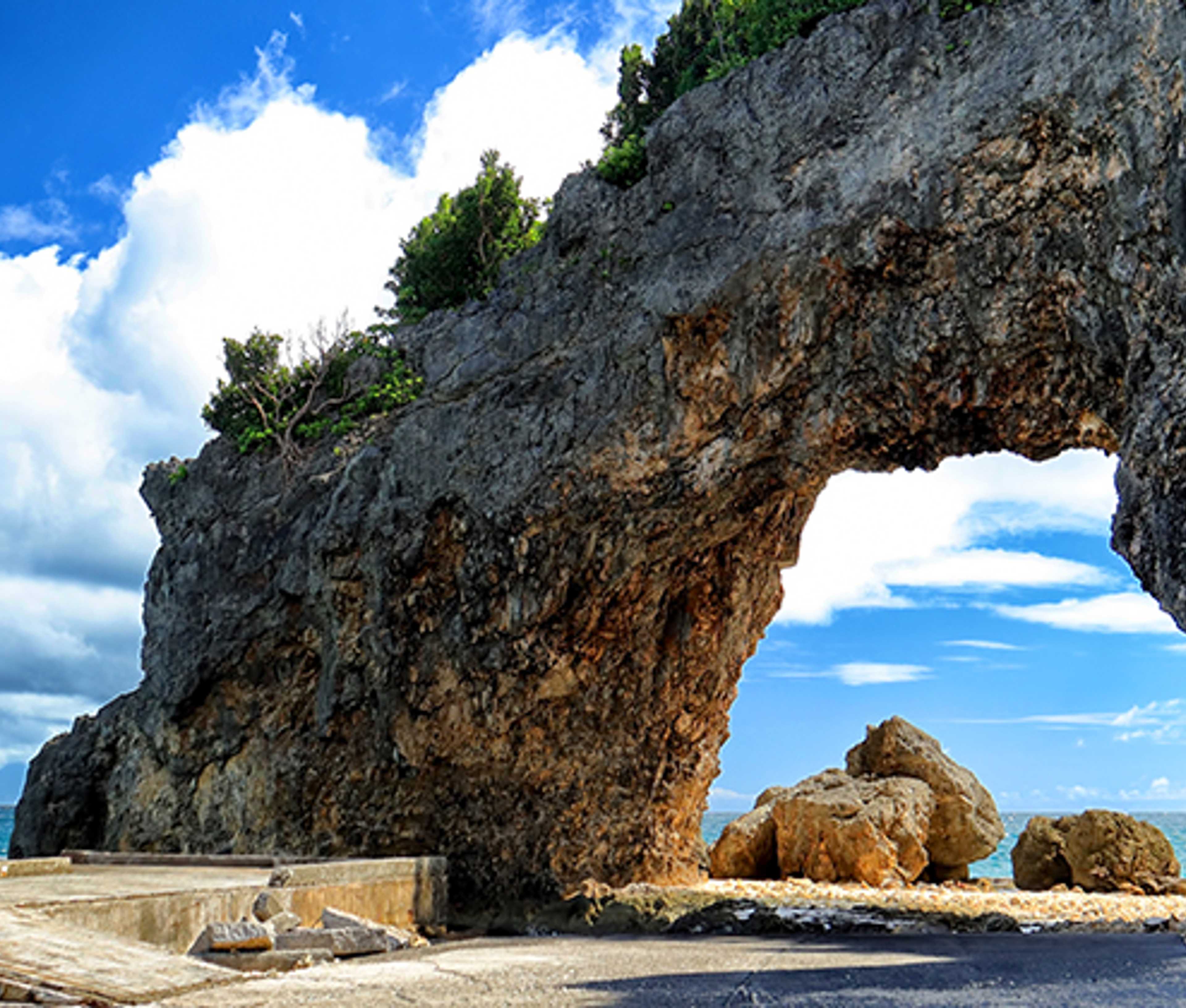
- Beaches in Batanes are distinct from those found in the rest of the Philippines. Valugan Boulder Beach’s craggy beauty and smooth volcanic rocks make it ideal for introspective hikes. Morong Beach’s smooth beach and natural Mahayaw Arch contrast beautifully. Nature at its purest.
- Batanesians are known for their honesty and kindness. Stories of lost items being recovered and guests being invited into homes are prevalent. The Ivatan community’s hospitality makes your trip unforgettable. Strangers become friends, and local chats are highlights of your stay.
- Batanes has a small but tasty cuisine scene. Fresh shellfish, root crops, and local veggies are used in many dishes. Uva (fermented fish), turmeric rice, and lobster or coconut crab (in season) reflect the province’s agricultural and maritime traditions. Not a popular foodie destination, but if you want honest, comfortable food, you’ll adore it.
- Nightlife and retail malls aren’t needed here, and that’s the idea. Batanes lets you unplug with no large franchises and a weak mobile signal. Rent a bike, ride the picturesque routes, and experience a rare sense of calm. The quiet, clean air and moderate pace regenerate your soul.
Reason 07
Food Fun Fashion

Food
- Batanes’ cuisine is influenced by the island’s unique culture and natural environment, with a focus on seafood and other fresh, locally sourced ingredients.
- The geography, history, and proximity to other Southeast Asian countries, such as Malaysia and Indonesia, have all had an impact on the Ivatan people’s food customs.
- Batanes Island’s sustainable approach to reducing plastic trash is one of the things that makes its food culture stand out.
- Many foods in the area are served in vunung (breadfruit tree leaves), a tradition that originates from similar customs in Malaysia, Singapore, and Indonesia, which are nearby.
- This not only makes the meal more interesting, but it’s also better for the environment than using single-use plastic.
- Many restaurants and bars use vunung leaves as plates, which makes your food taste more authentic, as if it came from the area.

Fun
- For nature and adventure lovers, Itbayat Island is an ideal destination. Itbayat Island’s cliffs, historical caverns, and stunning views make it a fascinating off-the-beaten-path visit.
- The highest peak in Itbayat, Mt. Karoboban, offers a stunning view of the uninhabited islands to the north. It is ideal for viewing the wide waters and highlands.
- Visit the Torongan Cave, where Austronesian ancestors are believed to have first arrived in the Philippines. After that, walk to the Torongan Hills to witness boat-shaped burial monuments.
- Hike the 5- to 7-hour Rapang Cliffs path for adventure. Known for its bonsai arius trees and spectacular views, the cliffs offer a distinctive environment and island outlook.
- Swimming at the Small Lagoon, a picturesque natural pool, is a relaxing experience. It’s ideal for unwinding after a day of hiking or touring.

Fashion
- Visitors to Batanes can expect to find a unique shopping scene featuring a wide range of handicrafts, souvenirs, and traditional Ivatan goods.
- Batanes’ markets and shops sell a wide range of handcrafted goods, from traditional headgear and carefully woven baskets to one-of-a-kind jewellery and real Ivatan knives.
- Travellers can also browse through small shops and art galleries that feature pieces by skilled local artists.
- Tourists will remember shopping in Batanes, whether they are seeking a unique souvenir or looking to learn about the area’s history.
- Nature and Safari
- Batanes’ beautiful skies and verdant hills may remind you of a youthful Julie Andrews singing “The Hills Are Alive” in “The Sound of Music” from 1965. In addition to the rich foliage and stunning panoramic vistas, a hike up the mountains lets you hear the wind and feel the crisp countryside breeze. The finest site to enjoy this is Racuh A Payaman, also known as “Marlboro Country”.
- Batanes has a stunning coastline with many beaches. Visit the secret coves, cream sand beach, and boulder beach—elemental marvels. Mahayaw Arch, a natural stone arch in Sabtang, is the island’s symbol. This arch provides shade and meals for tourists. In front of the arch is Morong Beach, a short white beach with beautiful sands that are fairer than other province beaches. The waves are calmer in the afternoon so that you can swim.
Reason 08
Nature Safari

- The green rolling hills fall dramatically down into crystal-clear, turquoise water, forming a landscape that shows no signs of time or modernisation, and thus makes it a perfect place to visit when one wants to enjoy natural beauty.
- The rough limestone cliffs of the islands are natural barriers to the roaring waves of the Pacific Ocean, offering marvellous viewpoints to photographers and nature lovers.
- Holidays to Batanes offer encounters with endemic wildlife species, including the rare Batanes fruit bat and various migratory seabirds, making the islands a paradise for wildlife watchers and adding an ecological dimension to every visit.
- The extensive grasses of Marlboro Hills, waving a blanket of emerald-green cogon grass as the constant ocean breeze passes by, create an otherworldly ambience that every visitor would find fascinating.
- Rivers and streams that are crystal clear flow through the volcanic landscape, creating natural pools and waterfalls that provide refreshing swimming spots for travellers seeking adventure and relaxation.
- The foggy sunrise and sunset scenes over the archipelago, with the sun peeping out or setting over the horizon of the boundless Pacific, are a spectacular sight that leaves a memorable experience for photographers, marked by the hues of orange, pink, and purple in the sky.
Reason 09
Events Fiestas

- Fiestas shape every Filipino culture. Filipino districts, barangays, cities, and provinces hold fiestas to commemorate the past, honour gods, and preserve Filipino culture and traditions.
- Sometimes people believed in it because it was thought to regulate family, health, fortune, livelihood, and other aspects, especially in Batanes.
- Annually, you won’t miss the “celebratory vibe” because Filipino calendars record many kinds of fiestas year-round.
- Some festivals, especially those celebrating patron saints, products, or activities, are declared official holidays. This tradition will endure throughout Filipino culture.
- Without experiencing Batanes’ fiestas, your trip is incomplete. This article explains what to expect when you holiday there.
- The local government of Basco, Batanes, and the Department of Trade and Industry (DTI) celebrated this year’s Kulay festival at the Batanes Provincial Park in the second week of April, featuring cultural presentations, unity dance performances, a beauty pageant, and a display of their best-processed and manufactured food products. The five-day event showcases Batanes’ rich cultural heritage and introduces local and international tourists to the region’s authentic cuisine. Ivatans call “kulay” “everything dried,” which could apply to dried onions, garlic, grains, corn and fish, among other items, that they proudly make.
- Sabtang is one of Batanes’ three populated islands. Traditional Batanes stone dwellings are shown here. Additionally, Batanes’ top weavers craft the vakul, a traditional headdress worn by farmers in the fields to shield them from the sun and rain. Women wear the vakul, and males wear kanayi vests and talugongs, as well as wide-brimmed farmer’s hats. Last week of April, Vakul-Kanayi celebrates. Outdoor games, cultural displays, parades, and street dancing competitions will be held.
- This 5-day June festival illustrates Ivatan “payuhan” cooperation. A province-wide procession commemorates the evangelising journey on this occasion. To honour its original sport, towns and schools host the Ivatan Olympics. The Kanan Nu Kumavahayan, or Unity Lunch, is another staple of the fiesta. This government-funded festivity is for everyone.
- The first week of August featured local festivities, including Palu-palo. Basco, Batanes, is showcasing its ethnic community’s hard yet interesting history in this cultural exposition. Palu-palo refers to the sticks or arnis that the Ivatans used in their fight against the Spaniards and Dutch. Flattened tree bark is used to make indigenous costumes.