

DiscoverJose Panganiban
Discover the natural beauty, culture and heritage of Jose Panganiban.
Book Now Pay Later











Loading traveller reviews…
Join Our Newsletter
Get tailored flight deals, travel tips & inspiration straight to your inbox.
HandpickedJose Panganiban HolidayDeals
Complete holiday packages with flights, hotels and experiences in Jose Panganiban.
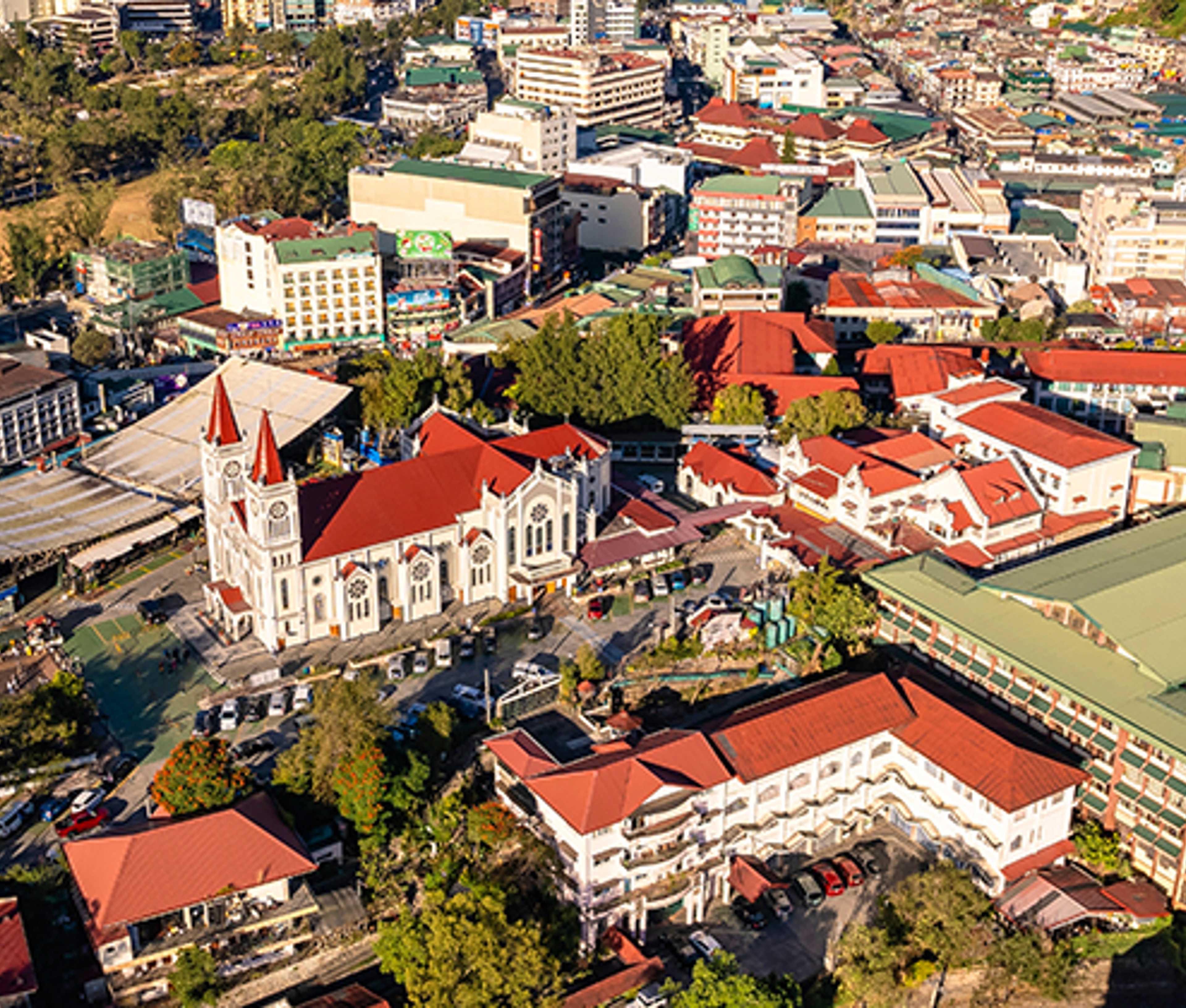

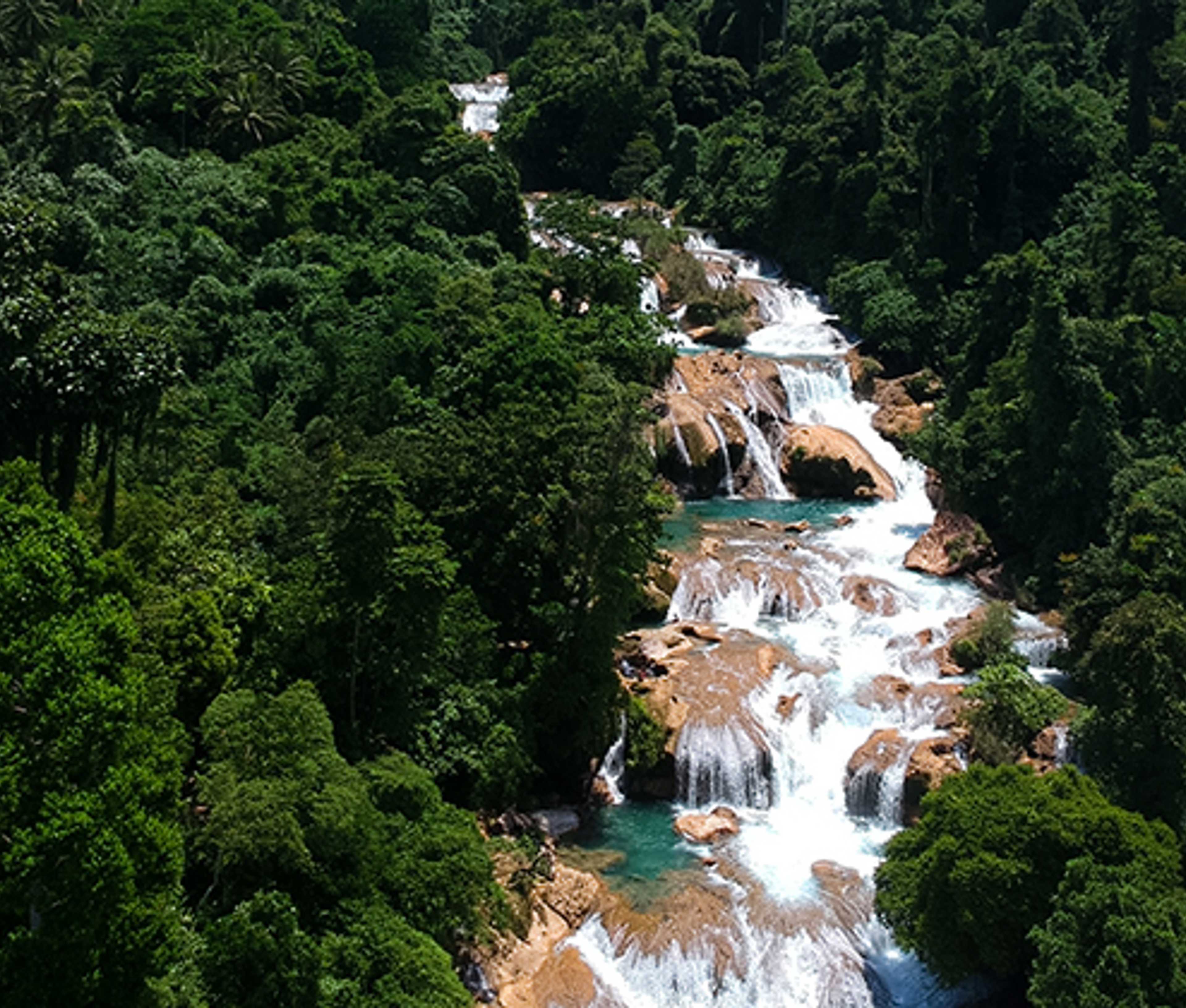
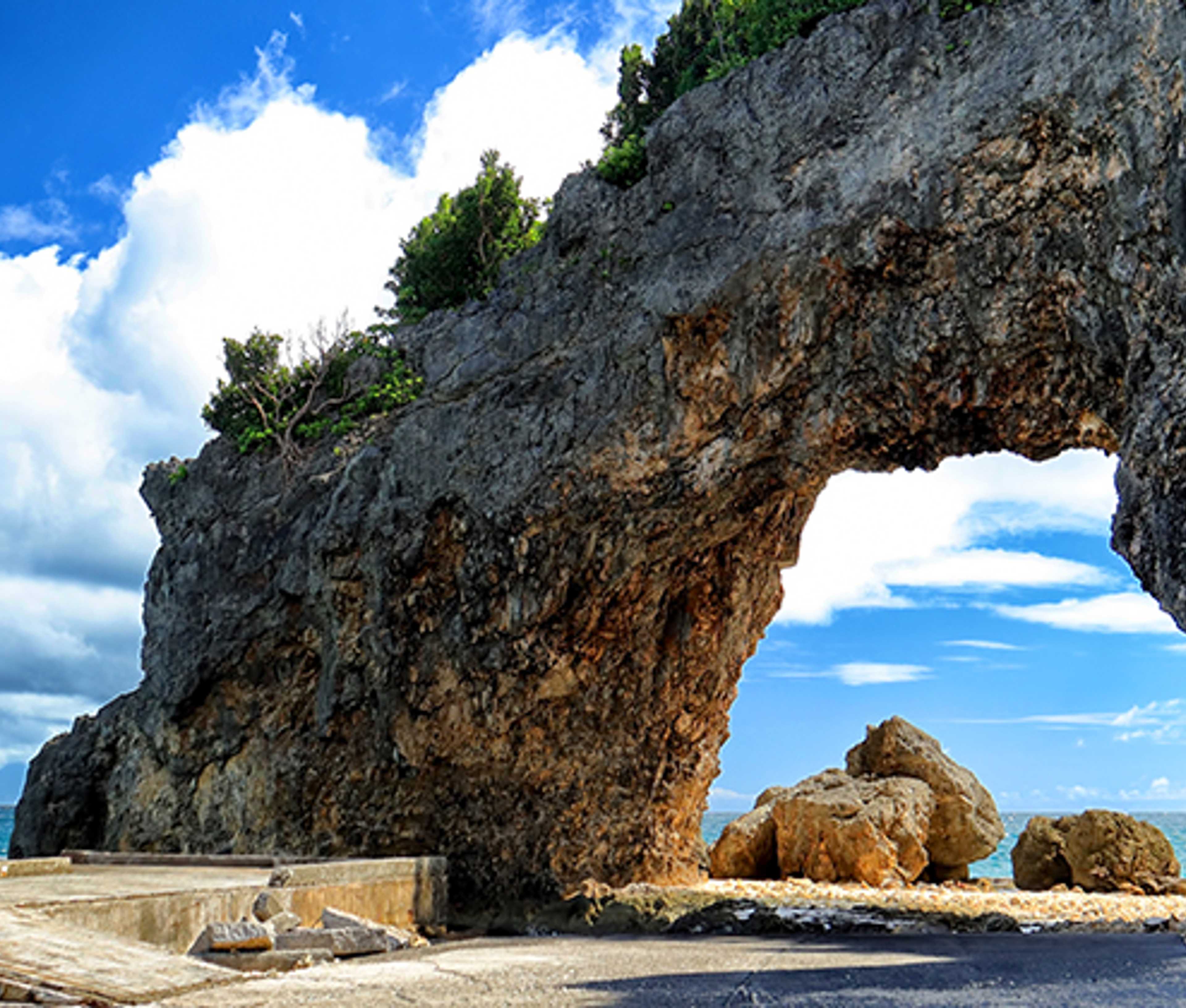
Stays AcrossJose Panganiban
From luxury beachfront resorts to city hotels and budget stays.
UnforgettableExperiencesin Jose Panganiban
Search and book amazing activities and tours across Jose Panganiban.
Top 10 Reasons to Visit Jose Panganiban
Reason 01
A Sneak Peak into Jose Panganiban

- You can easily come to spend holidays to Jose Panganiban, Camarines Norte and you will find out that it is a quiet coastal town that strikes the right balance between the rich history of gold mining and the daily living rhythm of a busy port allowing the traveller to experience the past and the present of the town in a single day.
- The shoreline of the town runs along the Philippine Sea, with panoramic landscapes, particularly during the sunset when the sky is blazing orange, and the water reflects the sky as a liquid mirror.
- Local guides will show where the historic marker that commemorates Jose Ma. Panganiban is located, the tourist guide reminding the visitors that the name of the town is burdened by the legacy of a Bicolano hero who was once fighting the fight of freedom in the Spanish colonial period.
- When you go by sea, you will find the morning scene in the busy harbour a lesson in life in the sea trade, wherein the fishing boats and the cargo steamers go to and fro in a scene of commerce as riotous as a ball.
- Those who like to travel through air can take a fast flight and a short ride and be taken to the core of this province and visit Jose Panganiban can easily be mixed with other attractions of the Bicol Region which are near.
- In making your travel arrangement, you can consider using the world pinoy flights as a hassle free and economical way to travel straight to the closest airport to the place you are going, so that you can have more time to enjoy the beauty of the town for your holidays to Jose Panganiban.
- Capital (of the province): Daet
- International airport: None in Jose Panganiban
- Nearest commonly used airports:
- Ninoy Aquino International Airport (Manila) – primary international gateway
- Bicol International Airport (Daraga, Albay) – main domestic airport for the Bicol Region (~5–6 hours by land)
- Currency: Philippine Peso (PHP)
- Time zone: UTC+8 (Philippine Standard Time)
- Driving side: Right-hand side
- Main electricity: 220 volts, 60 Hz
- Official / local languages: Tagalog, Camarines Norte Bikol, Filipino, English
- Major religion: Predominantly Roman Catholic
Reason 02
Highlights

- The holidays to Jose Panganiban Historical Marker is a proud heritage of the town namesake and is visited by people who would like to know about this man and how his ideals are still being used to inspire the pride of the community.
- The legacies of gold-mining continue to be traced in the surrounding hills, with old sluice boxes and abandoned shafts pointing to a formerly bustling extraction industry which made the region economical.
- The primary water body in the town, Mambalao Bay, is a source of beautiful views besides providing rich stocks of fish, hence its popularity among local fishermen and those who enjoy seafood.
- Its busy port is the entry point to the Philippine Sea, where coming and going exchanges of goods and people make the atmosphere in the town very lively, which reflects the maritime importance.
- Within the cool waters of the bay, there are little coves where one can have peaceful picnics or snorkelling enabling the visitor to enjoy the marine life close up and in a relaxed environment.
- The community of the town promotes cultural activities during the year which display the traditional music, dancing, and the Bicolano spirit of generosity which strengthens the feeling of community of the town residents and visitors.
Reason 03
Seasons to Travel

- The dry season, which occurs between March and May, offers good sunshine and visibility and thus it is suitable to do beach walks, boat touring and sightseeing the historical sites of the town without being interrupted by rains.
- The climate at this time is warm-hot and this will permit tourists to take part in outdoor activities like hiking and fishing trips along the Mambulao Bay.
- The short winter months are less harsh and there is some fog in it, which is a different form of beauty in the scenery, which can be taken by photography enthusiasts and lovers of nature.
- There is the monsoon period between June and October, when it is more likely to be raining and the winds are stronger; however, this can be avoided when you feel like doing cultural festivals and indoor historical tours.
- November and December have usually been the post-monsoon months and have colourful cloud formations, also with breezes that are colder than usual, this makes it a nice time to explore the city and enjoy the beaches and markets.
- Irrespective of the season, there is a strong community in the town that provides necessities and accommodation services, which make the place comfortable and convenient to the traveller.
Reason 04
Worth A Visit

Jose Panganiban Monument /Historical Marker
- The life of Jose Ma. Panganiban is captured on the bronze plaque of the monument, which lets visitors consider his contribution to the Philippine independence by standing in the middle of a peaceful park.
- The way it is located in a small plaza makes families consider stopping to have a look at the tranquil breeze with the smell of mangrove roots in the village, providing them with a sense of attachment to the natural environment of the area.
- Auditory tours describe the historical background of the marker, which is available both to an experienced historian and a casual tourist who wants to learn about the local heritage.
- The greenery surrounding it provides shaded benches on which the travellers can rest, sketch or just observe the normal life of the locals as they go by.
- The monument is a centre of processions during the annual town fiesta which confirms its position as a communal identity and pride marker.
- Cafes around the area offer coffee being brewed locally, as well as fresh Bicolano pastries, which will give the visitors an opportunity to experience the local taste and calm atmosphere of the monument.

Mambulao Bay Port Area
- The broad promontory of the port allows the visitor to walk along the sea shore and see the bars of sustainably large boats pass on the water and get a glimpse of islands in the distance.
- The only difference is that at a small pier, one can experience a special sight of fishermen bringing their daily catch and have an idea of the lives that the town runs on.
- The neighbouring market stands look like rainbows of bright diversity of fresh seafood, tropical fruits, and crafty souvenirs so that the travellers will be able to taste what the country produces and buy special gifts.
- The ancient community regard maritime traditions and the bounty of the sea through the seasonal festivals at the port including the annual blessing of ships.
- Tourists have the option of hiring small motorboats or going on tours to the local coves to access hidden beaches and tide pools that cannot be accessed by vehicle.
- On the evenings, the port becomes a vibrant meeting point and people eat grilled fish, listen to live music and listen to the lull of the waves on the shore.

Saint Joseph the Worker Parish Church
- The colonial style of the church, including its whitewashed walls and bell tower, allows one to engage in some contemplative spell that is a great contrast to the setting of the blue tropical sky.
- The altar is decorated with the local icons and colourful Stations of the Cross frescoes, which visualise the spiritual path of the region and provide the picture of the life of Bicolano.
- Masses and devotionals also offer visitors a chance to get to know the warmth of the religious tradition of the community and to join together in communal prayers.
- The neighbouring cemetery, with centuries-old trees, is a good spot to commemorate the history of the town and the people who were able to build up the present.
- The artistic talent of a region is exhibited on Sundays when a flea market is organised in the church where handmade crafts, woven baskets, and embroidered garments are sold by artisans.
- During the festivities, the open court of the church is used to perform cultural events, which gives the tourists an opportunity to experience traditional music and dances in a natural environment.

Local Beaches
- Mambilao Bay has sandy beaches where people can spend their time having fun in the sun since the lulling sound of waves seems to offer a backing melody to the soft sand at their feet.
- Just a few metres off the shore, swimmers can experience clear and warm waters that are ideal in snorkelling and display colourful coral reefs and a lot of marine life.
- Families tend to come with picnic blankets and local snacks, and thus the beach becomes a common area in which neighbours meet to storey tell and laugh together.
- The natural vegetation that covers the beach such as the coconut palms and ferns provides the beach with shade and a habitat to the local birds making it a good ecosystem to watch the birds.
- Visitors may also sit around fire pits in the evening to roast corn and fish enjoying a simple but wholesome taste of coastal cuisine with a starlit sky overhead.
- The comparatively isolated areas of the beach will make it a good destination to couples and solo travellers who want privacy to be able to experience the nature without the tourist pressure.
Reason 05
Discover More

Mining Sites (Historical/Viewpoints)
- Although most of the mining activities are shut down, guided tours to the surrounding areas provide the viewpoints in which one can see how the centuries of gold mining has changed the landscape and have a glimpse at the geological processes that left the area what it is today.
- There are educational exhibits in the point that describe the history of gold panning in the region, including the methods and equipment of early miners during the Spanish colonisation.
- The natural land provides hiking paths that end up in observation decks where one can enjoy a panoramic view of the valley as well as the pine forests that surround it.
- The conservation work in the region can be seen through trail markers and informative signs that teach the visitors about the ecological consequences of mining and the role of restoration.
- The amphitheatre perspective has cultural performances periodically, which embrace the mining heritage via the dance, music, and narratives.
- Tourists are able to buy hand-crafted gifts in the form of miniature copies of mining tools in the local shops; this helps the community to maintain its economy and it is also a way of preserving the historical memory.

Paracalls Proximity (Regional)
- Not a long way out of Jose Panganiban, the adjacent town of Paracales is home to some of the most fruitful mines of gold in the Philippines, and provides a more profound excursion into the mining history of the country.
- Cafes that line the road offer a glimpse of the Bicolano lifestyle with vendors offering fresh fish, delicacies made of coconuts, and local delicious coffee.
- The trip in itself is an aesthetic one, as one goes through the hills and thick jungles, passing by small farms which grow coconut, rice and fresh vegetables.
- At Paracalese, there is the renowned Pabik Festival where gold panning practises are taught in an interactive way so that the tourists can practise the art with professional guidance.
- The town has a small museum with artefacts that have been found in the ancient mines and this provides the visitor with a physical relationship to the industrial history of the region.
- Local guides provide cultural tours which are integrated with historical background as well as hands-on experience with mining techniques as a way of learning the history of mining and making it interesting to all the ages.

Local Market and Seafood
- The busy market is a scene of dynamism with sellers filling stalls with colourful fresh fish, shellfish and seaweed as a testimony to the wealth of the Mambulao Bay.
- Communication with fishermen offers a first hand connexion to the community of living that supports the town, fishermen relate tales of life and sea lore in cordial discussions.
- The market has culinary demonstrations that feature how to cook traditional Bicolano food, including Bicol Express and Pinangat, using local ingredients.
- The fact that the area is founded on agricultural diversity provides the opportunity to show the variety of colours of seasonal produce, such as sweet corn, tropical fruits, and fresh vegetables.
- There are small restaurants around the market that offer grilled seafood plates so that people can sample the freshness of the catch and enjoy the market place atmosphere.
- The design of the market promotes slowing down and taking time to explore all winners because the travellers will have time to taste all the flavours and discuss the crafts with the local artisans.

Roadside Coconut and Agricultural Farms
- On her way to town, there are long belts of green coconut trees, forming a green canopy that makes the traveller stop to enjoy the sweet smell of the fruit-bearing palms.
- The landscape is abundant with small family farms, giving one an idea of how Bicolano people were doing their farming, rice paddies blowing in the wind and the careful ways of collecting coconuts.
- Tourists will be able to visit farm gates and get a guided tour on how farmers cultivate, harvest, and extract coconuts into products such as coconut milk, coconut oil, and desiccated coconut.
- Small markets are common in the farms where fresh produce including bananas, mangoes, and local spices are sold at reasonable prices giving the consumer a taste of the rural Bicolano life.
- Educational boards along the road provide the ecological advantages of the coconut planting, such as the conservation of soil and water and biodiversity.
- Photo opportunities can be had in scenic drive of the town where the fields of gold are seen in both the sunrise and the sunset with its serenity of the countryside that sustains the culinary delights of the town.
Reason 06
Culture Traditions

- Bicolano language is a mixture of every day speech with locals addressing each other in very gentle, rhythmic tones that give the impression that the town is being accorded music.
- The community is also united through festivals, particularly the town fiesta on March $19^\text{th}$, which contain processions, fireworks, and community feasts that honour the religion and heritage of the community.
- Conservative music that is usually performed by native musical instruments such the gandingan and kulintang adds a musical accompaniment to dance and street parades which demonstrate Bicolano pride.
- Handicrafts like woven mats and embroidered materials are made by skilled artisans who transfer the techniques to the younger generation, thus keeping the culture intact.
- The social connexions are strong and people usually meet at the church or market where they tell storeys, laugh and help each other in daily life strengthening the social bonds.
- Because the agricultural products of the region are shown in the cuinary traditions of the town, especially the usage of coconut milk and chilli, food serves as a major cultural manifestation.
Reason 07
Food Fun Fashion

Food
- Bicol Express, the spicy pork and coconut milk stew, is the dish that reflects the territorial affection to spicy and aromatic tastes and is available in a local restaurant that proposes the dish on a daily basis.
- A good vegetarian alternative that reflects the ingenuity of the Bicolano is Pinangat or Laing made of taro leaves cooked in coconut milk and spiced with chilli.
- Seafood at Mambilao bay such as fish, crabs and shrimps are also served in restaurants that lie close to the seafood where they are grilled or steamed by the chefs to maintain their natural flavour.
- Pili nuts, which are a local harvest off of coconut palms, are sometimes made into sweet confection or even sold as a snack, which lets the visitor experience the nutty taste that the Bicol people are so proud of.
- The tropical fruits that are available as a local market include mangoes, bananas, and lanzones, which are cultivated in the fertile fields around the town, and are a sweet, juicy snack.
- Dessert stalls offer thick sweet coconut rice confection, and the creaminess of coconut is combined with the stickiness of glutinous rice to give a comforting ending to any meal.

Fun
- Guided historical tour of the town tells storeys of Jose Ma. Panganiban, the ancient miners, and the new fishermen, bring the past alive to the curious tourists for holidays to Jose Panganiban.
- The daily activity of the port with cargo ships, fishing boats and local boats can give one an idea about the rhythm of the sea life that keeps the town in touch with the sea.
- Evening seafood tasting events allow visitors to taste fresh, grilled fish with the local condiments to experience the meal as a cultural experience.
- Snorkelling, swimming or mere sun bathing at the beachside will also give one a lot of time to relax and recreate in a natural environment.
- One of the fun activities to engage in is to take part in a miniature gold panning exercise at a local spot where people can view the landscape. It is also a great experience when it comes to families having children that prefer learning to be applied practically.
- As the evening lantern festivals take place, the night sky is illuminated with colourful displays, which make the atmosphere of the festival and invite all people to the celebration party.

Fashion
- Light cotton shirts, airy blouses and loose trousers are really great options when it comes to staying cool under the tropical sun and at the same time being comfortable during long walks and sightseeing.
- Sandals or close toed shoes are recommended, which are comfortable and that the feet are not exposed to uneven cobblestones and wet floors at the market and stalls around the port.
- Wicking accessories like capes or bandanas would also help a traveller remain dry on unexpected downpours that may take place during the rainy season.
- A small bag pack will fit essentials (water, sunscreen, snacks, and a camera) and will not be that heavy during field trips.
- In the evening, a low-cut dress or a collared shirt and a light jacket are a good combination that will not disrespect the local culture but will also look good.
- Reusable water bottle together with a collapsible cup can not only keep the visitors in good shape by quenching their thirst because it is not only eco-friendly, but also supports the shared practises of the community in the town.
Reason 08
Nature Safari

- The waters in Mambalao Bay are vast so there is a wide variety of marine organisms that can be found, such as colourful reef fish to the rare shellfish, and this makes it a good eco-tourism destination.
- The hills on the coast are made of smooth slopes, which are mineral deposits, which previously were attractive to miners, but now days, they provide excellent hiking paths with a view of the whole world.
- The palm trees cover the land most, and their shades give shelter and supply of food, and their tall palms form a natural canopy that nurtures a great variety of wildlife.
- Smaller wetlands situated in the coastline act as a breeding area of migratory birds and birdwatchers can see species that are hardly prevalent in other areas in the Philippines.
- The intermediate tide is funnelling at the beach so that visitors can easily view marine life including sea anemones and crabs giving a non-threatening experience at the beach ecology.
- There are seasonal plants and flowers, such as tropical flowers and ferns, which flower all year round, creating splashes of colour to the rural landscape of the town and appealing to photographers.
Reason 09
Events Fiestas

- On March 19th, the Jose Panganiban Town Fiesta is celebrated in honour of St. Joseph the Worker and a colourful procession, fireworks and communal feasts demonstrate local hospitality for holidays to Jose Panganiban.
- In the fiesta, the cultural elements of the Bicolano are emphasised through the dances done by the community groups and this forms an exciting and dynamic scene to the participants.
- Gold-panning tradition is celebrated by the Pabirik Festival, which is observed in the neighbouring Paracale, where locals and visitors gather to watch live demonstrations, storeys, and competitions.
- During the festivals, food stalls are present offering regional specialities like Bicol Express, pinangat and fresh seafood and lets visitors experience the true Bicolano taste.
- Even the skyline of the town is captured in fireworks during the night which makes the town to have a festive atmosphere where families and friends get together to enjoy.
- The processions and parades organised by communities with the participation of schoolchildren, artisans, and older residents of the community create cohesion and vivid presentation of local identity and pride.