

DiscoverBato
Discover the natural beauty, culture and heritage of Bato.
Book Now Pay Later











Loading traveller reviews…
Join Our Newsletter
Get tailored flight deals, travel tips & inspiration straight to your inbox.
HandpickedBato HolidayDeals
Complete holiday packages with flights, hotels and experiences in Bato.






Stays AcrossBato
From luxury beachfront resorts to city hotels and budget stays.
UnforgettableExperiencesin Bato
Search and book amazing activities and tours across Bato.
Top 10 Reasons to Visit Bato
Reason 01
A Sneak Peak into Bato

- Imagine a beautiful town built in the green Bicol area, where the smooth swell of the hills is bound together by the smooth surface of a freshwater lake.
- Lake Bato, the second-largest lake in the province, is the most popular spot in the town, which vibrates with the flow of fishing boats and the local community.
- The plains around give off the much coveted nut, the pili, which is a regular ingredient in Bicolano sweets and snacks making the region gain a reputation as a culinary paradise.
- The holidays to Bato old streets lead all the way to the centuries-old Bato Church, a stone edifice of Spanish architectural style that still towers proudly in the centre of town.
- The locals use a unique dialect of Rinconada Bikol and the regular human dialogue is lyrical in nature reflecting the natural beauty of the area.
- Historians, foodies, eco-tourists, or otherwise, a dynamic more than a range of cultural, natural, and hospitality provide Bato with its tapestry, welcoming to any traveller to stop, settle, and become part of your holidays to Bato.
- Capital (of the province): Pili
- International airport: No international airport in Bato
- Nearest commonly used:
- Naga Airport (Pili) – domestic flights
- Ninoy Aquino International Airport (Manila) – for international flights
- Currency: Philippine Peso (PHP)
- Time zone: UTC+8 (Philippine Standard Time)
- Driving side: Right-hand side
- Main electricity: 220 volts, 60 Hz
- Official / local languages: Central Bikol, Tagalog, Filipino, English
- Major religion: Predominantly Roman Catholic
Reason 02
Highlights

- Crystal-clear waters of Lake Bato are a popular attraction to both the fishermen and sightseers, which has created a fresh water fishing industry to the benefit of the whole province.
- The adjacent wetlands make it a paradise to migratory birds and thus a good destination of bird watchers who love the melodious song of the waterfowl in the morning.
- The hectic pili nut plantations yield the sweet smell in the market stalls where workers pack and package the nut by hand to local and international markets.
- The towering bell-tower and luxurious altar of the Bato Church can provide a tranquil place of reflection and can be a glimpse of long-term faith of people in the town.
- The town fiesta on June 24th every year is a celebration to St. John the Baptist and it is marked with lively processions, street food, and communal dancing which indicates the celebratory mood in the area.
- The mild climate, in particular, in the dry season, makes the town a peaceful oasis in which evenings are sufficiently cool enough to take a slow walk along the shore of the lakes.
Reason 03
Seasons to Travel

- With dry weather throughout the year (lasting between November and May), the season offers a clear sky and smooth waters, which is perfect in boating and picnics by the lake.
- The pili harvest is at its peak around the end of May and the beginning of August when the town is alive with people as early in the morning, workers collect the nuts and sell them to the traders.
- The season is the rainy one and the freshwater fish flow in and the vegetation becomes rich with lush surroundings and an ideal time the angler gets to enjoy the dynamic ecosystem of the lake.
- The evenings are cool and pleasant during the colder months and thus the night markets and local celebrations that feature traditional music and dance are comfortable.
- Tourists who want to enjoy a more tranquil atmosphere may take advantage of the relatively cooler weather of late spring when the body of water assumes a smooth turquoise hue that is characterised by a clear blue sky.
- This is the place where you make your booking with world pinoy flights and arrive in time to see the colourful event of the town of patron saint but also the natural beauty that is available there.
Reason 04
Worth A Visit

Lake Ecotourism
- Ride a local paddleboard to sail through the peaceful waters of the lake, with the beautiful vegetation around to reflect the beauty of nature of the region.
- Catch native types of fish such as tilapia or hito, and see them descend into the clear surface of the water.
- Visit the neighbouring wetlands, home to migratory birds and a serene place to go on walks.
- Get to know the community fishing methods that have been carried down the generations and sustaining the maritime heritage of the town.
- Participate in lead eco-treks where the lake has value to the local ecosystem such as the water purification and the sustenance of wildlife.
- Take the most striking pictures during the sunset when the reflection of the lake turns to the mosaic of gold and amber.

Culinary Delights
- Taste freshly roasted pili nuts, which has a buttery flavour that is usually a part of Bicolano desserts and roadside snacks.
- Have a bite of candied pili, it is a sweet dish in which the richness of the whole nut is counteracted by the caramelised sugar.
- Taste local fish dishes, including sauted tilapia with garlic and coconut milk, which are a representation of the local cuisines.
- See the artisanal stores where pili nut products are hand packed to be sold at their destination country, and get to know how they package them painstakingly.
- Enjoy a bowl of a local beef soup known as bulalo that adds fresh fish and local herbs.
- Do a local rice tasting tour that will pair local rice with spicy sweets infused with pili nuts and will provide a complete sensory experience with the flavours of Bicol.

Historical Sightseeing
- You can appreciate the stone front of Bato Church which is a remnant of the Spanish colonialism and which contains original wooden altars.
- Go to the bell tower of the church and hear the harmony tones echoing throughout the streets of the town.
- Get to see the museum in the church compound that display the artefacts of early settlement and religious life of the town.
- Walk around the adjacent plaza where the lives of the people have been lived over a hundred years amid the magnificence of the church.
- Attend a guided historical tour that gives you the background of the use of the church as a social hub during the colonial era.
- Get to see the colourful murals showing the history of the area, providing a picturesque account of the past of Bato in its colourful history.

Fishing Culture
- Watch as fishermen set their their unsophisticated wooden boats out at sunrise to go fishing with tiltapia and hito.
- Observe the complex net-weaving methods that have been developed over the decades, to guarantee a sustainable harvest.
- Visit a community event and listen to elders telling storeys of the seasonal rhythms of the lake and how they affect fishing.
- Fresh caught fish, cooked in the traditional Bicolano manner using fresh chilies and coconut milk.
- Get to know of the ecological balance that fishermen have established in order to guard against overfishing of the lake.
- Take shots of families spending a quiet afternoon at the water capturing the serene lifestyle of the town.
Reason 05
Discover More

Lake Ecosystem
- Learn the hydrological cycle of feed to Lake Bato including Bicol River system tributaries.
- Observe symbiotic associations of fish, aquatic plants and coastal birds.
- Watch the seasonal movement of fish species that restore the biodiversity of the lake.
- Partake in conservation trainings educating the locals and tourists about the conservation of health of the lake.
- Visit the nearby wetlands, which are breeding areas to waterfowl and amphibians.
- Document the variations in water clarity and water temperature that guide ecological investigation and ecotourism development.

Pili Nut Capital
- Follow a pili nut through the process of growing, harvesting, processing, and distribution to the market, learning about all the steps involved in processing and quality assurance.
- Get to know how the trees are grown by the local farmers in traditional ways that do not harm the soil.
- Taste the varieties of products roasted, candied, powdered, all with a different culinary experience.
- Go to an organisation that values fair trade and women in the society.
- Become a participant of a workshop devoted to the innovative packaging which increases the export possibilities of pili nuts.
- Look into the economic effect of pili nuts to the local economy of Bato and their role in the national food security on your holidays to Bato.

Local Language
- Live like the locals of the town, speaking Rinconada Bikol, the language which gives the town its very colour.
- Listen as the elders tell folklore using their native language and maintain oral history in the region.
- Take a language lesson, where simple greetings, phrases, and food words are taught.
- Learn the rhythmic movement of the local chants used at festivals and at communal dinners.
- Find out what the dialect has done to the local signage, literature, and advertising.
- Explore the strength of Rinconada Bikol as a cultural heritage of identity.

Community Life
- Look at how fishermen, farmers, artisans and merchants interact at the marketplace every single day.
- Participate in a community gathering whereby locals organise the forthcoming town festival, and demonstrate teamwork.
- Have a glimpse at the participatory nature that moves local events like clean-up drives along the lakefront.
- Delicately get to know about the ceremonies involved in planting and harvesting of pili nuts used to finance community projects.
- Research on how the town balances the process of modernization with the retention of its ancestral activities.
- Exchange tales with the locals who welcome guests to share in home cooked delicacies, which make cultural interactions memorable.
Reason 06
Culture Traditions

- On June $24$th, the people hold the Bato Fiesta, where people process through the streets, dance, and eat together as a sign of strong faith.
- The town art is represented by traditional dances like the Tari Tinik dances, in vibrant costumes also in honour of ancestors.
- The processions usually come along with the image of the deity known as the Santo Niño, which is a holy image and is taken out of the church to the community.
- Artisans in the region produce bamboo and rattan products that have a sustainable lifestyle manner of living with nature.
- Pili Harvest Festival is a community festival, which combines both the thankfulness and the exchange of nuts among neighbours.
- During festivals, music, in this case the ensemble of the kulintang, is used to fill the streets where the song and rhythm are matched with the communal delight.
Reason 07
Food Fun Fashion

Food
- The signature pili nut is roasted, candied or mixed into desserts and has a sweet buttery taste that is exclusive to Bicol.
- Coconut milk is used to grill or saute freshwater fish like tilapia and hito to provide hearty and aromatic food.
- Bicolano dishes (both the traditional Bicol Express and Laing) are made with coconut milk and chilli to present a hot food experience.
- Vendors in the streets offer pancit and kwek-kwek, favourite snacks that are indicative of the relaxed food culture in the town.
- Local markets are offering fresh produce, fish that is reminiscent of the agricultural variety of the town: rice paddies to orchards.
- The cuisine is commonly exchanged in festivals where families present homemade foods to their visitors thereby enhancing social cohesion.

Fun
- Board a guided boat trip around the lake Bato to have a panoramic view of the ecosystem around.
- Take a tasting session of pili nuts in a local plantation learning the variety of flavour between raw and candied.
- Take snapshots of the old church, the reflections of the lake, and the market stalls crowded with people to make a personal photo-journal.
- Participate in the Bato Fiesta festivity ball whereby people dance to live music bringing a celebratory mood to the streets.
- Go on a walking trail through the wetlands where one can discover some hidden species of birds and peaceful areas to reflect.
- Visit a local cooking workshop where you learn to cook traditional Bicolano foods, and this will be an enjoyable learning experience as well as a delicious one on your holidays to Bato.

Fashion
- Lightweight cotton shirts, loose pants, and a pair of comfortable sandals would fit the warm and hot climate in the town.
- Bring a light jacket or shawl in case it gets colder in the evenings by the lake, as some wind usually follows the sunset.
- Wear clothes that cannot trap air so that you feel cool as you view the scenic trails in the lake.
- Carry a sun-block spray or a wide brimmed hat to keep the tropical sun out in the daytime.
- Use local colour scheme of soft pastels and bright colours in choosing travelling clothes in order to fit the environment.
- Prefer local made accessories such as woven belts or embroidered bags, it helps the local artisans and gives your outfit a special touch.
Reason 08
Nature Safari

- The lake Bato is still the most prevailing natural aspect, which has provided fishing, boating, and landscape beauty to eco -tourists.
- The adjacent wetlands offer a habitat to the migratory and resident species of birds, ideal to birdwatchers.
- The local Bicol River is linked to bigger river systems, forming a great network of water habitats.
- The dry months are filled with the flower blooms to use seasonally like the mangga and the sampaguita which colours the landscape with vibrant colours.
- The trees, pine and eucalyptus, are planted around the area creating the natural canopy, which protects the visitors when they do afternoon walks.
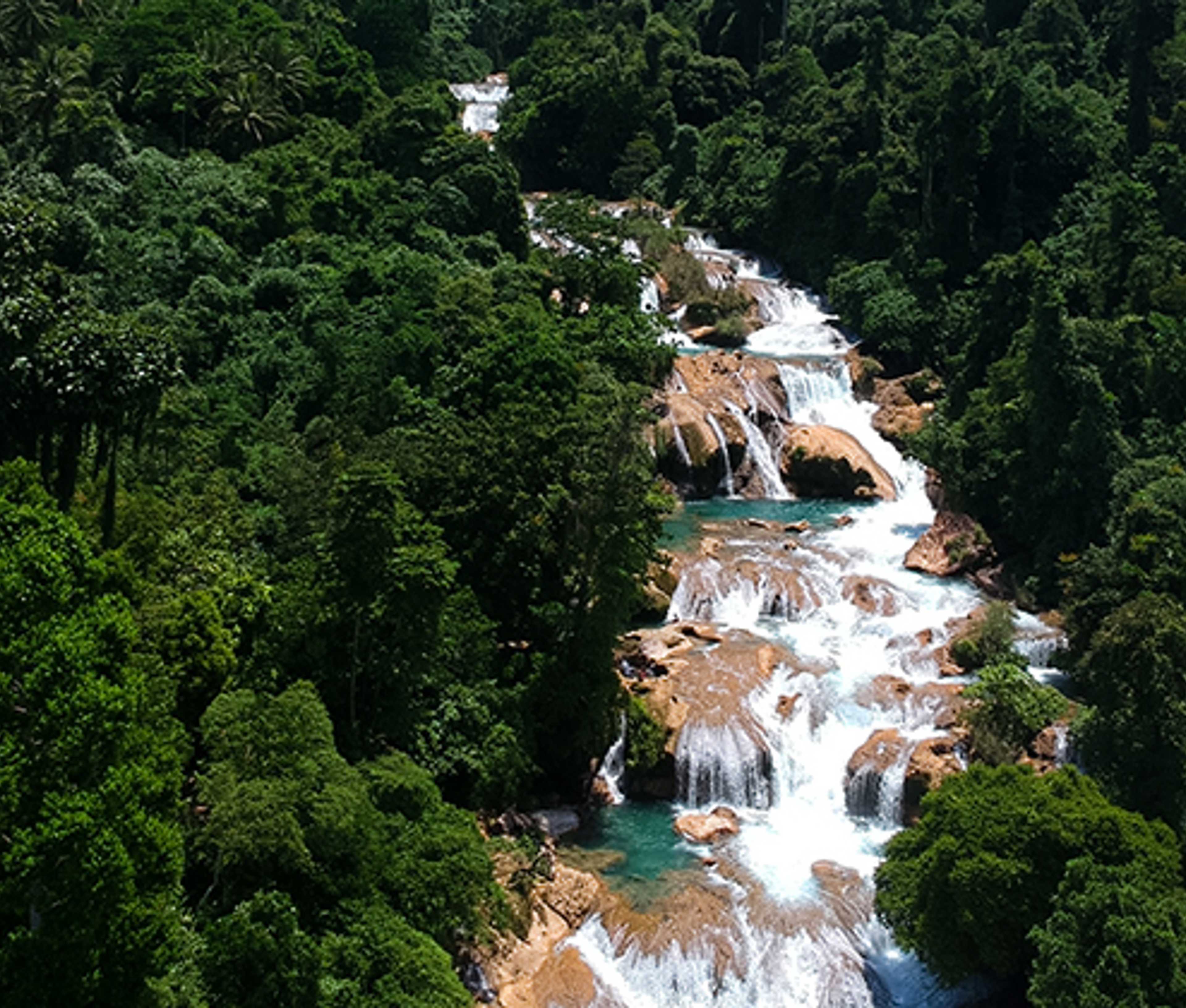
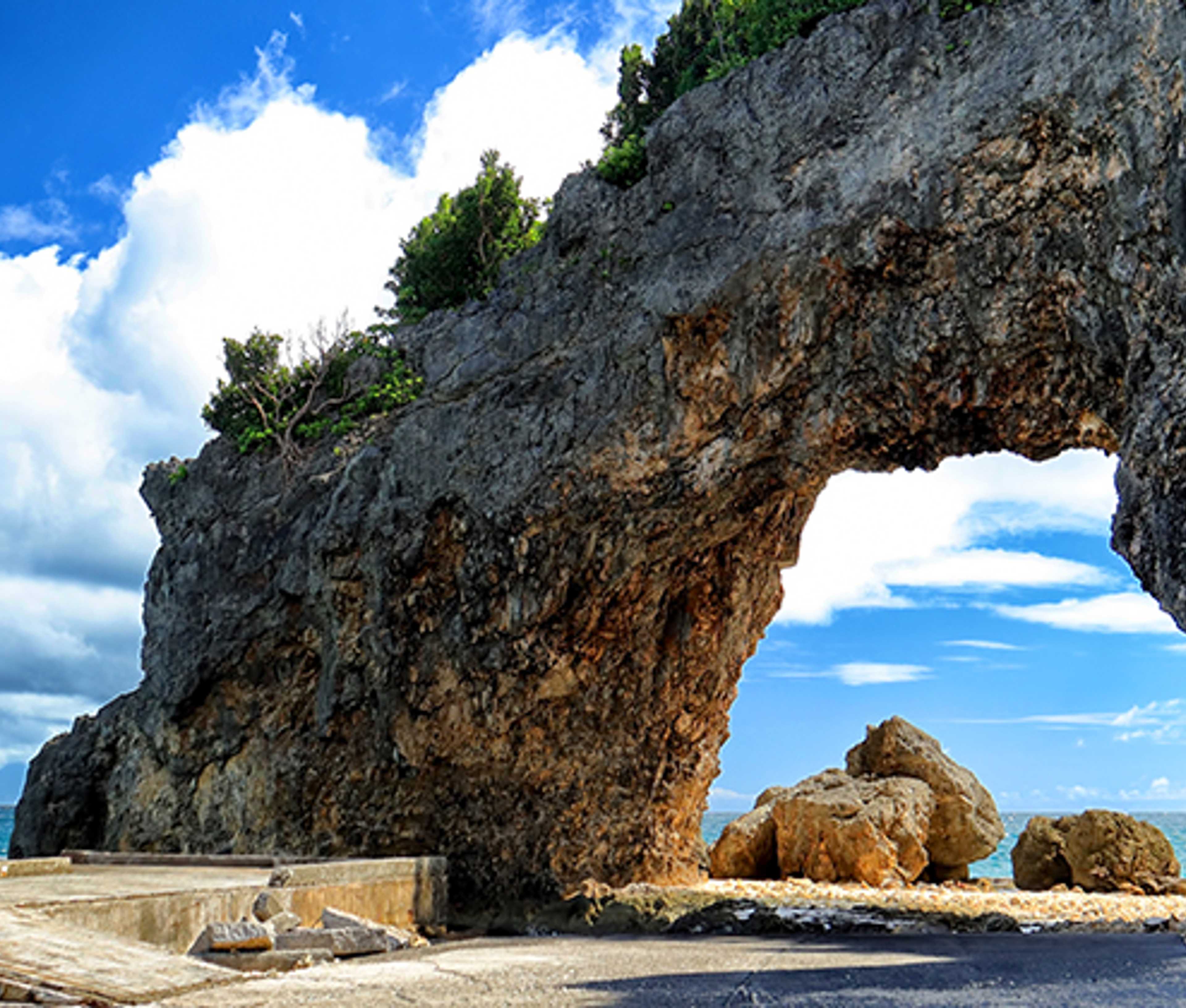
- Nature walks help in discovering unseen waterfalls and rock formations that depict the geological past of the area.
Reason 09
Events Fiestas

- The Patron Saint Fiesta on June 24th commemorates St. John the Baptist through processions, mass, and community feasting.
- The month of May to August when the nuts of the tree are at their sweetest and when people are most generous is the month of the Pili Harvest Festival.
- The nearest, Penafrancia Festival in neighbouring Naga City can be reached by short transportation and has a great religious procession every September.
- The schools of the area are also involved in the competition of pintados and demonstrate the artistic skills of young generations.
- The evenings are transformed into a social event by the town of Pattaya which features the town night market, selling street food, live music and local delicacies.
- Holidays to Bato cultural dance performances at the fiesta welcome the visitors to savour the rhythmic patterns and bright costumes which bear the Bicolano tradition.