

DiscoverDavao De Oro
Discover the natural beauty, culture and heritage of Davao De Oro.
Book Now Pay Later











Loading traveller reviews…
Join Our Newsletter
Get tailored flight deals, travel tips & inspiration straight to your inbox.
HandpickedDavao De Oro HolidayDeals
Complete holiday packages with flights, hotels and experiences in Davao De Oro.
Stays AcrossDavao De Oro
From luxury beachfront resorts to city hotels and budget stays.
UnforgettableExperiencesin Davao De Oro
Search and book amazing activities and tours across Davao De Oro.
Top 10 Reasons to Visit Davao De Oro
Reason 01
A Sneak Peak into Davao De Oro
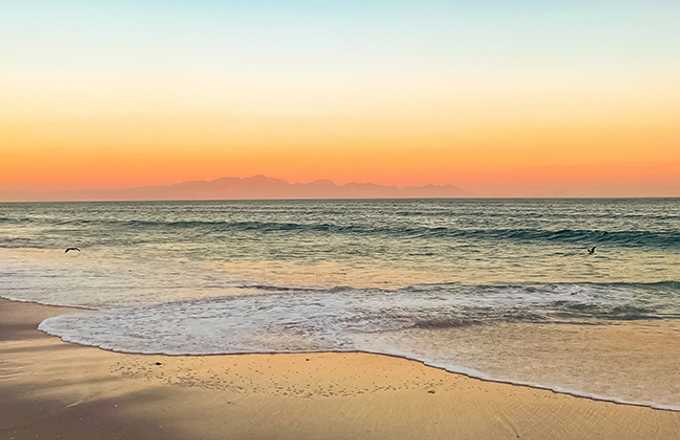
- Travellers often miss holidays to Davao de Oro, but it’s full of secret gems that will make your trip memorable. This province has beautiful landscapes that beg to be explored.
- Beautiful mountains and clean beaches surround it. For those seeking a one-of-a-kind adventure, the area boasts secret beaches, such as *Nabunturan Beach*, featuring soft rocks and crystal-clear blue water.
- Imagine yourself unwinding under swaying palm trees, far from the bustling tourist areas, and savouring the tranquillity that Davao de Oro has to offer.
- Go to the lush hills of Maragusan. The bright green scenery makes for a great day of climbing or lunch.
- There are many beautiful waterfalls in the area, such as Bucac Springs, where the sound of the water falling enhances the beauty of the natural world around you.
- Some secret gems are perfect for creating memories that will last a lifetime, whether you’re capturing photos or simply unwinding in nature.
- As you look around Davao de Oro, don’t forget to stop by the places where local artists and makers show off their skills in unique ways.
- These unique items from the area, such as intricately knitted fabrics and beautifully carved wooden figures, showcase the culture and creativity of the region.
- Getting to know the locals not only helps them make a living, but it also helps you gain a deeper understanding of Davao de Oro’s rich history.
- Capital: Nabunturan
- International airport: The nearest major international airport is Francisco Bangoy International Airport (DVO) in Davao City. Davao de Oro does not have its own international airport.
- Currency: Philippine Peso (PHP)
- Time: UTC+8
- Driving side: Right-hand side
- Main electricity: 220 volts, 60 Hz
- Official languages: Filipino (based on Tagalog) and English; local languages include Cebuano and Mandaya
- Religion: Predominantly Roman Catholic, with some Protestant and other Christian groups
Reason 02
Highlights
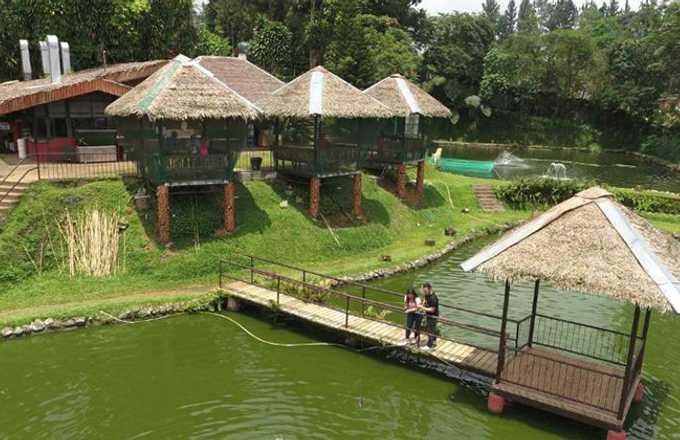
- Every tourist should visit Davao de Oro for its various attractions and rich culture during holidays.
- Visitors may experience local culture in the province’s warm and inviting atmosphere.
- Davao de Oro provides a unique and pleasurable holiday experience, from the residents’ warm smiles to the fascinating history behind each monument.
- Many attractions in the province appeal to different interests. Nature enthusiasts will appreciate the magnificent scenery, which includes the Philippines’ highest peak, Mount Apo. Adventurers can white-water raft in *Davao River* or hike in *Eden Nature Park*.
- Cultural enthusiasts may explore the region’s rich legacy at historical sites and events. Davao de Oro tourism is growing since there’s so much to see and do.
- Consider the top hotels in Davao de Oro, ranging from budget hotels to luxury resorts, when planning your trip.
- Each choice provides a comfortable foundation for your activities, allowing you to recuperate after a day. World Pinoy Flights offers a range of accommodations in Davao de Oro, making it easy to find what you need.
Reason 03
Seasons to Travel
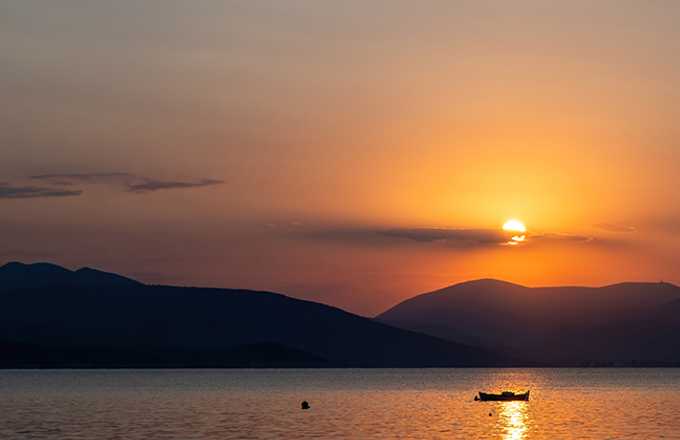
- Visiting Davao de Oro during the ideal time can enhance your experience. Travel is best from November to May, when the weather is dry and comfortable.
- Enjoy the province’s natural beauty, rain-free, in this great season for outdoor activities. You may visit beautiful beaches, stroll gorgeous trails, and attend local activities during these months.
- In addition to good weather, visiting during local festivities might enhance your experience.
- The March *Araw ng Davao* event celebrates the region’s unique culture with colourful parades, traditional dances, and local food.
- Such activities let visitors learn about local customs and culture. Check the local calendar for these vibrant festivities throughout your visit.
- The dry season is popular, although June to October are also nice. The waterfalls are at their most impressive, and the surrounding environment becomes lush.
- Off-season visits provide fewer visitors and a calmer atmosphere. Bring an umbrella and expect rain!
Reason 04
Worth A Visit
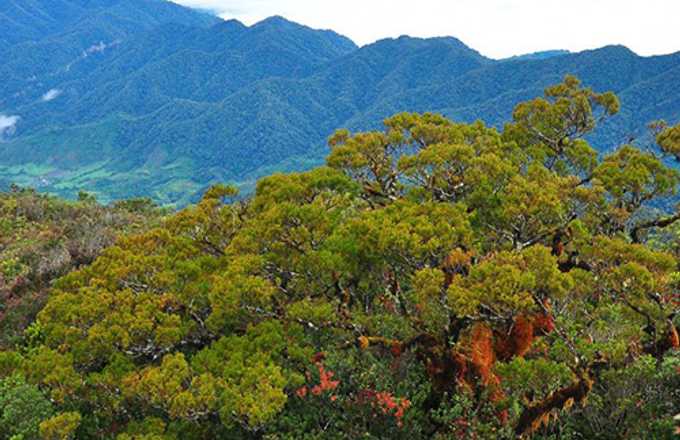
White Peak Mount Pandadagsaan
- There are more than 2,670 meters of elevation at Mount Pandadagsaan’s White Peak, making it the highest point in Davao de Oro and one of the highest points in the Philippines.
- Hikers can enjoy breathtaking views of nearby mountains, such as Mount Apo and Mount Candalaga, from the peak.
- After the exciting hike to the peak, they can also visit the mountain’s famous Cloud Forest or Fog Forest, also known as the Mossy Forest, which is full of mosses, pitcher plants, and wild ginger.
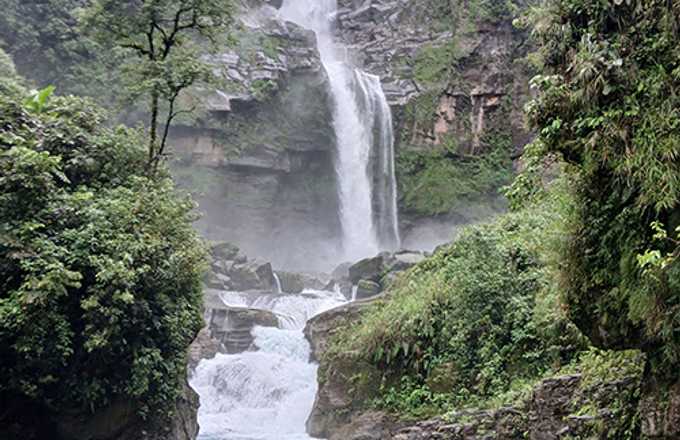
Malumagpak Falls
- At 230 feet, Malumagpak Falls is the tallest waterfall in Davao de Oro.
- The intense, multilayered waterfall has recently gained popularity among tourists due to its crystal-clear waters, relaxing atmosphere, spacious areas for families and groups of friends to stay, and stunning natural scenery to enjoy.
- Native plants and animals, such as the Philippine brown deer, inhabit the surrounding areas of the majestic falls.
- Visitors can also enjoy the pool of water below the falls or try hiking up the mountain to reach Manurigao Highlands.
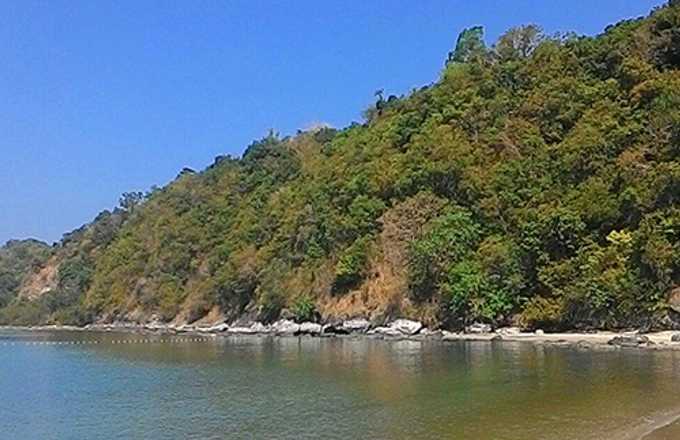
Westnuk Beach
- Visitors seeking relaxation should visit Westnuk Beach. Surfers are looking for strong waves and healthy coral reefs, but this beach doesn’t have either.
- However, there is a thick forest around it where you can get away.
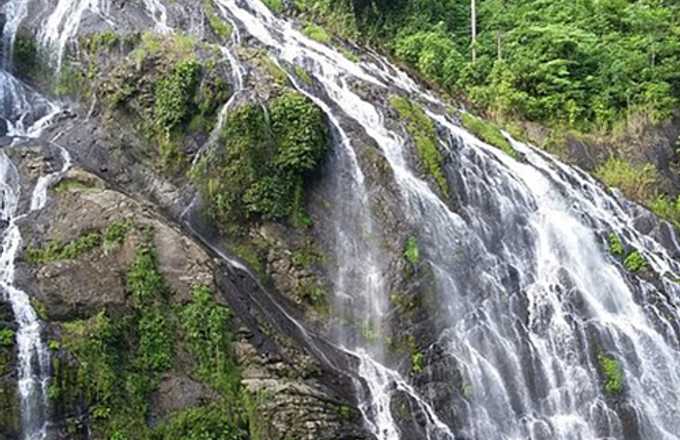
Fabian’s Peak
- If you go to Fabian’s Peak, you should see the sea of clouds. Hikers can either wait until morning to see the sea of clouds mix with the orange parts of the sun once they reach the summit and take in the view.
- The sea of clouds can be seen on clear days, but its appearance can change depending on the weather.
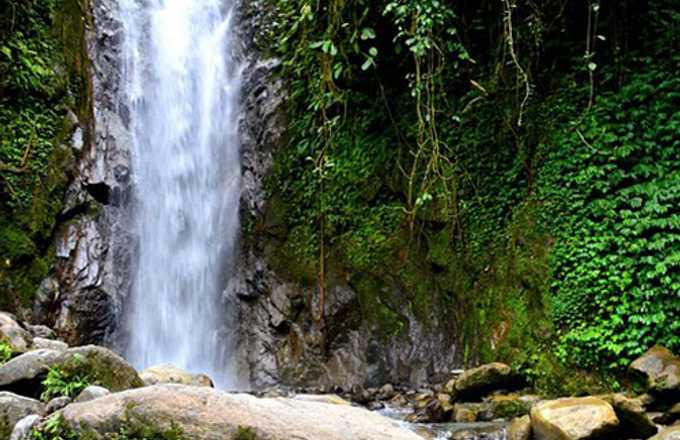
Marangig Falls
- Native tribes and many unique plant and animal species have inhabited the treacherous Mount Candalaga.
- There are also Marangig Falls on the mountain. These are the first things you see when you hike up the mountain.
- There is a local legend about the waterfalls that explains how the water flows.
- This story says that the water flow is controlled by an unseen ship named “Donya Marangig.” The waterfall only moves when the Donya Marangig does.
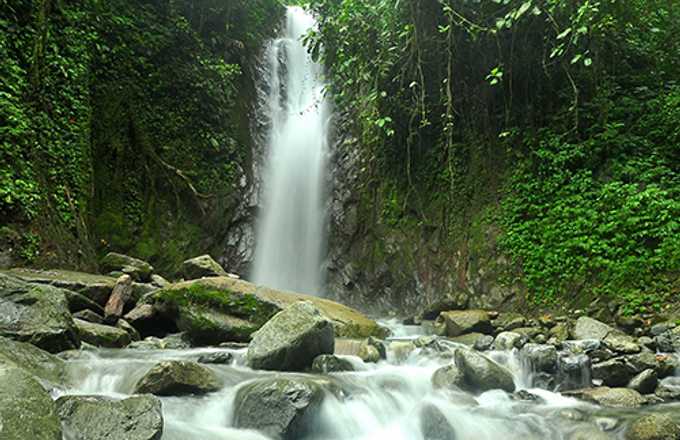
Tagbibinta Falls
- Tagbibinta Falls is one of the most well-known waterfalls in Davao de Oro. It drops 700 feet to a clear water pool.
- There are thick woods all around the seven-layer waterfall, and big rocks along the edges make great places for picnics and resting.
- The falls, particularly the seventh layer, have become a challenging feat for brave hikers to reach.
- Tagbibinta Falls has also been the subject of many stories. The people who live there say that women can’t go to Tagbibinta Falls by themselves.
- The people who live there think that if a woman bathes in the water, a mysterious being will make her marry them.
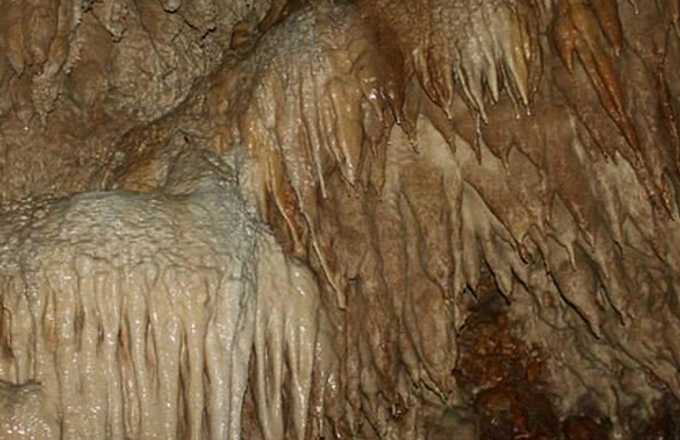
Bongloy Cave
- Bongloy Cave is renowned for being a pristine and unaltered cave that has remained untouched and unchanged.
- The beautiful cave is home to a diverse array of natural plants and animals, as well as an extensive underground river system.
- The cave’s twisting passages make it easy for both new and expert spelunkers to see the different formations.
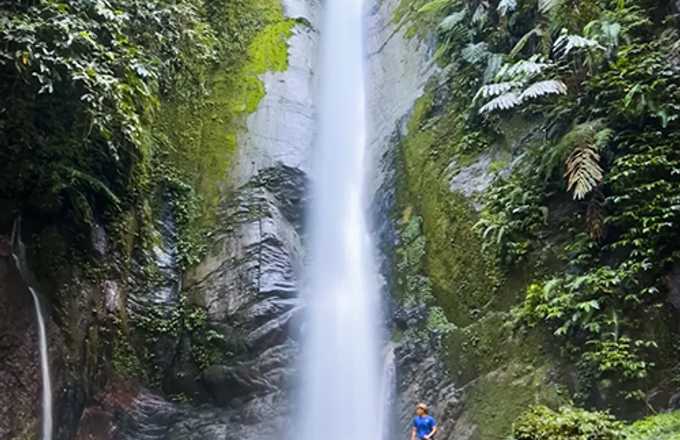
Pyalitan Falls
- One of the tallest waterfalls in Davao de Oro is the 4-tiered Pyalitan Falls, which is about 150 feet high.
- To get to the secret gem of the beautiful falls, people have to walk for a long time through green areas and over slippery rocks.
- Upon reaching the main level, people are often amazed by the clear waters that cut through the lush green plants on both sides.
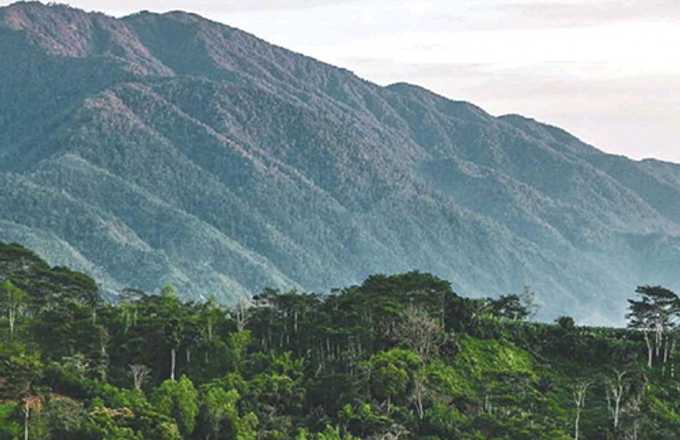
Mount Candalaga
- One of the best places to hike in Davao de Oro is Mount Candalaga. It’s more than 2,400 meters above sea level. It can take three full days to walk to the top of the mountain.
- Along the way, hikers will see woods, streams, and Rafflesia, the corpse flower of the Philippines.
- Because the trail is steep and difficult, the LGU keeps a close eye on walkers as they come in. Marangang is where most people begin their ascent of Mount Candalaga.
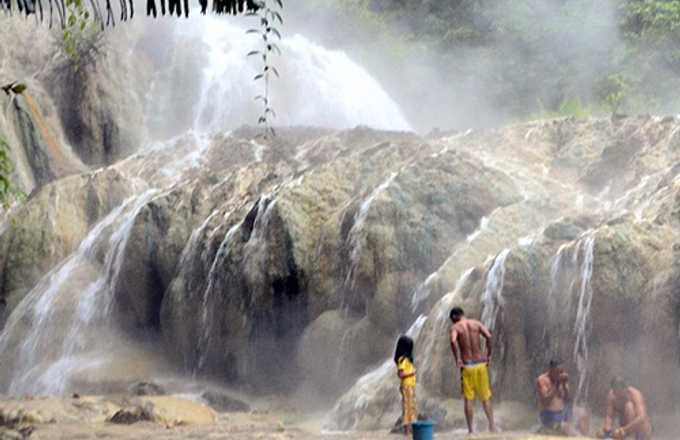
Mainit Sulfuric Hot Spring
- This natural hot spring, beloved by many, is located near Mount Leonard. The water emanates from the mineral-rich part of Mount Leonard and has a brownish tint.
- The water in the pool below the falls is about 10 to 12 inches deep. People can rent a house or just set up camp on one of the rocks.
Reason 05
Discover More
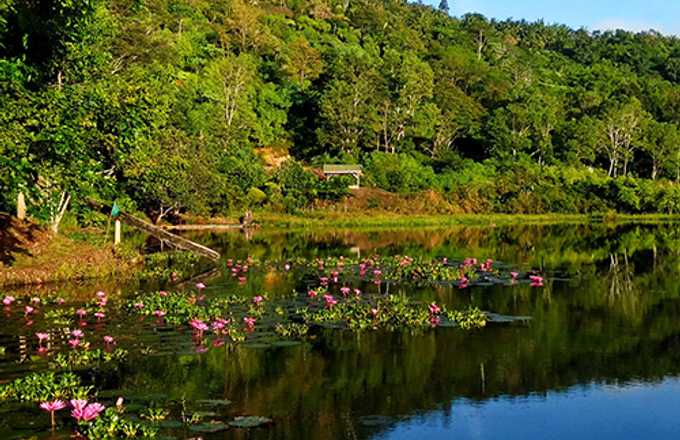
Lake Leonard
- Lake Leonard is a crater lake located in Mount Leonard, filled with fresh water. It is a popular place for ecotourism.
- The people of Mansaka have lived near Lake Leonard for many generations. The lake was formerly known as Crocodile Lake due to the presence of alligators that inhabited it.
- Later, a mine prospector named Leonard Kniazeff found the lake. It was named after him to honour his economic support to the Municipality of Maco.
- People can camp out for the night, ride across the lake on a bamboo raft or boat, or have a picnic with their families or friends. You can also get to Amakan Crater from Lake Leonard.
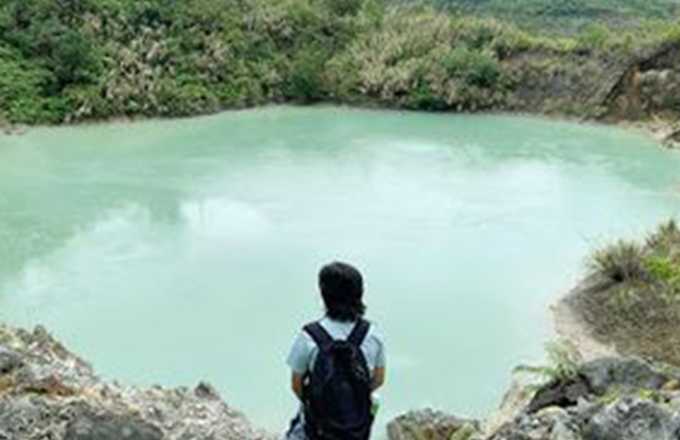
Amakan Crater
- Visitors can hike from Lake Leonard to Amakan Crater, a natural crater spanning 8 hectares and featuring a boiling pot.
- The water inside the hole is a cloudy green colour. To enter the hole, people must pay a fee and hire a guide.
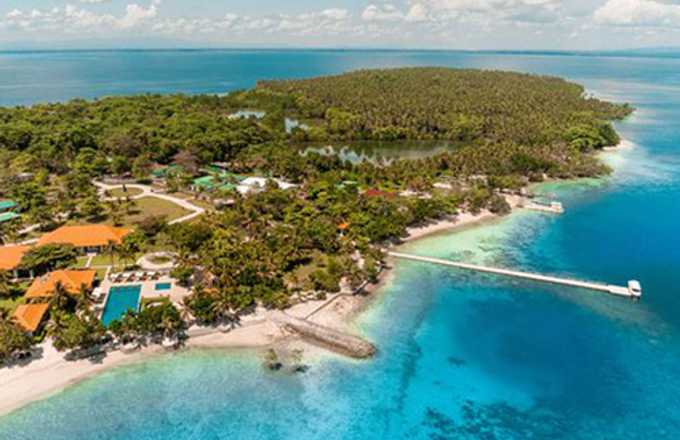
Kopiat Island
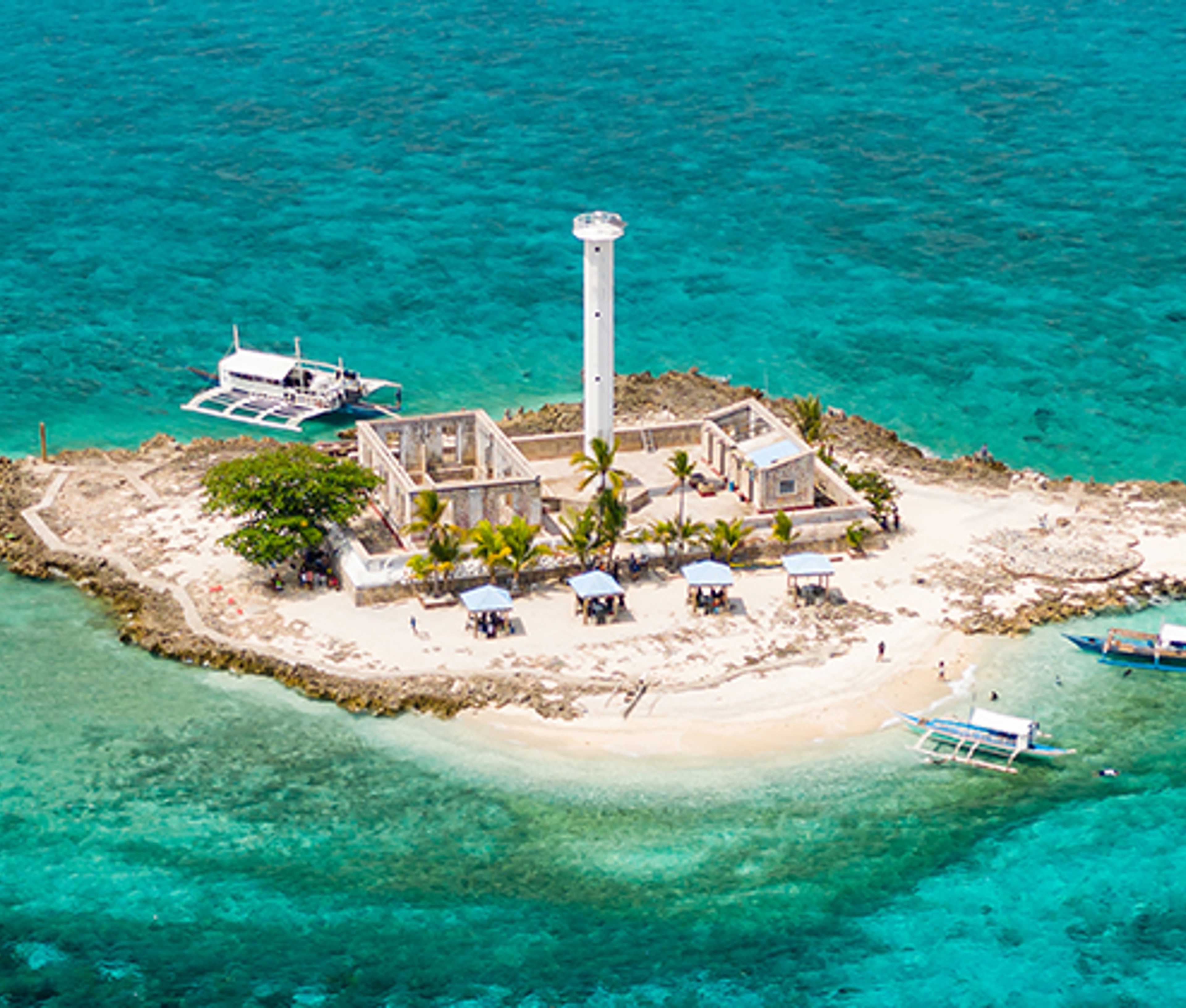
- Kopiat Island is an 87-hectare island featuring a white sand beach and surrounded by coconut and mangrove trees.
- The island is located within the Mabini Protected Landscape and Seascape, a designated protected area in the Davao Gulf.
- The island boasts a tranquil beach that is home to hawksbill and leatherback turtles, and has remained unchanged.
- The clear water surrounding the island is home to a diverse array of sea life and large groups of vibrant corals, making it an ideal spot for swimming and diving. The place is Kopiat Island, Davao de Oro.
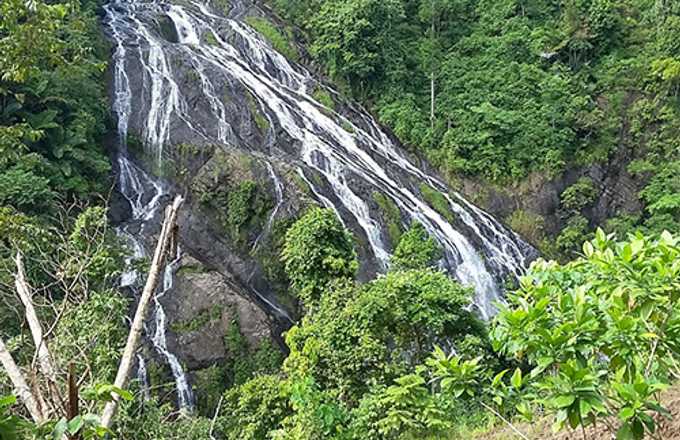
Awao Falls
- Awao Falls is one of the most popular falls and tourist spots in Davao de Oro.
- It has three levels and is more than 80 feet high. From the rough, steep side of the mountain, the curtain of water falls to a small catch area.
- People can swim down to the pool of water below the falls and let the water wash their backs.
- Many people, including locals, are still unaware of Awao Falls.
Reason 06
Culture Traditions
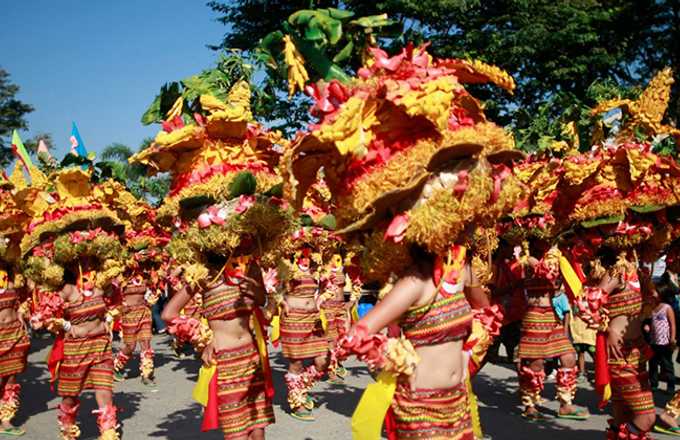
- Like its natural beauty, the culture of Davao de Oro is dynamic. Museums, art galleries, and historical places highlight the province’s rich heritage.
- Visit the Davao de Oro Provincial Museum to learn about the region’s legacy via interactive displays and relics. This cultural centre showcases the centuries-old customs and stories of the local indigenous groups.
- Local festivals are another feature of Davao de Oro’s cultural landscape, allowing visitors to experience this vibrant community. Every March, Davao celebrates Araw ng Davao with colourful parades, traditional dances, and local food.
- Talking to locals at these celebrations provides a unique insight into their culture and enriches your trip.
- Davao de Oro’s indigenous artistry would likewise please art aficionados. Local artisans skillfully weave fabrics and lovely wooden sculptures, showing their talent.
- Visitors can support local artisans and take home unique gifts that reflect the region’s rich cultural heritage by visiting local markets and workshops.
- Community involvement enriches your trip and helps you appreciate the unique culture of Davao de Oro.
Reason 07
Food Fun Fashion
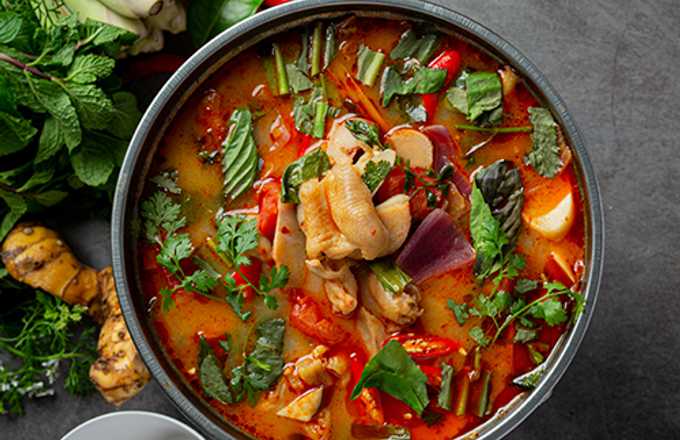
Food
- Holidays to Davao de Oro are a gastronomic paradise, offering a unique blend of Filipino and local cuisines.
- Enjoy the catch of the day in coastal sections of the province, known for its fresh seafood. Any tourist should eat *kinilaw*, a local delicacy of raw fish seasoned in vinegar and spices.
- Many seaside eateries offer this meal with local favourites like *Adobo* and *Sinigang* to provide a full sense of the region.
- Discover Davao de Oro’s cuisine in local markets. The busy setting allows you to try grilled skewers and sweet delights, such as *bibingka*, a rice cake traditionally used during festivals.
- Working with local vendors benefits the community and provides an opportunity to learn about local foods and culinary practices.
- Several hotels and resorts in Davao de Oro provide upmarket restaurants that showcase the region’s delicacies in a beautiful setting.
- Many restaurants serve farm-to-table cuisine, using fresh, locally sourced foods. Davao de Oro offers a diverse range of delicious food options for both casual and formal dining experiences.
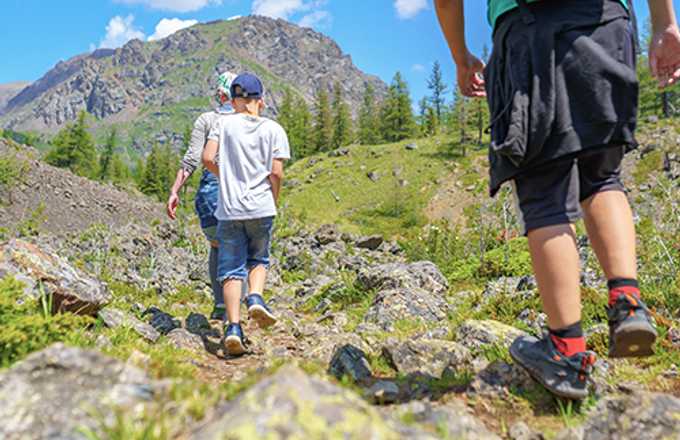
Fun
- Davao de Oro is a haven for adrenaline junkies, offering a plethora of thrilling activities.
- White-water rafting on the Davao River is a popular activity. This thrilling adventure lets you navigate rapids while taking in the magnificent scenery.
- Tour operators provide packages for all ability levels, so whether you’re a pro or a beginner, you’ll have fun. Remember to take photos as you kayak across the wild waves!
- Hiking routes in Davao de Oro are suitable for all abilities. The hard journey to the peak of *Mount Apo* rewards hikers with stunning vistas. Nature enthusiasts can explore the diverse flora and fauna, spotting rare animals and taking in magnificent views.
- For those who wish to learn more about the surrounding environment and the mountain’s significance, guided tours are available.
- Explore the province’s waterfalls for a more leisurely experience. Locals love Bucac Springs, where they can swim or relax in the tranquillity.
- These natural features are easily accessible and offer great picnic spots for families and groups. Every adventurer will find entertainment in Davao de Oro, with its numerous activities.
Fashion
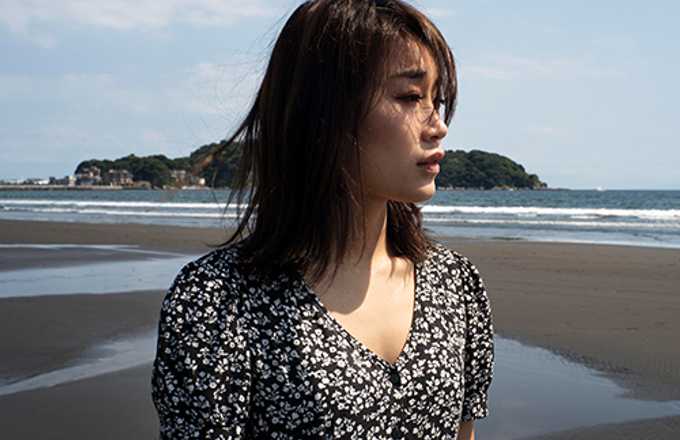
- Holidays to Davao de Oro offer shopping opportunities that showcase unique items and local crafts, representing the region’s rich culture.
- Pick up storytelling mementoes from local markets and artisanal stores. These handmade linens and beautiful wooden sculptures make great presents and souvenirs.
- Visiting local craftspeople promotes their trade and reveals the traditional methods used to make these lovely objects.
- Shopping at Magsaysay Park, where merchants sell homemade goods and fresh fruit, is a great experience. Visit this bustling market to experience local culture while shopping for unique things. Haggling is enjoyable and often leads to better rates!
- Several malls in Davao de Oro offer a range of local and international brands for modern shopping.
- After a day of shopping, these shopping complexes offer a variety of dining options, making it easy to relax and enjoy a meal. Davao de Oro has several shops where you can buy souvenirs from your holiday.
Reason 08
Nature Safari
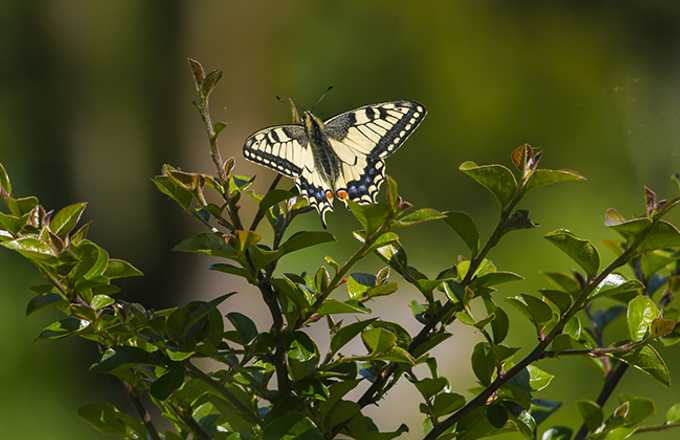
- Nature lovers love holidays to Davao de Oro for its stunning scenery and outdoor activities.
- The province boasts beautiful parks and reserves, including Eden Nature Park, where visitors can appreciate the lush vegetation and diverse flora and fauna.
- This large park is great for families and environment enthusiasts with its gorgeous walking routes, butterfly garden, and little zoo. The fresh mountain air and stunning vistas are a refreshing break from city life.
- Davao de Oro boasts some of the region’s finest hiking paths, particularly near Mount Apo. Trekkers from around the world visit the Philippines’ highest mountain. The paths accommodate beginners and experts.
- You’ll see beautiful scenery, rare species, and the sunrise or sunset from the peak. Bring your camera to capture amazing moments!
- Bucac Springs, with its chilly, crystal-clear waters, is another natural wonder worth visiting.
- This hidden gem is surrounded by rich foliage, creating a peaceful setting for picnics or relaxation.
- These ecotourism destinations showcase Davao de Oro’s beauty and promote sustainable travel to safeguard the environment for future generations.
Reason 09
Events Fiestas
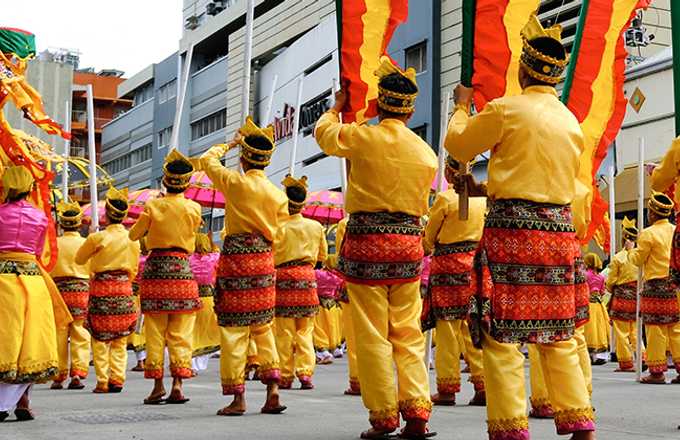
- Many events in Davao de Oro reflect the region’s rich culture and communal spirit. The annual Araw ng Davao is much anticipated.
- Visitors from around the world attend this week-long festival, featuring colourful parades, traditional dances, and local cuisine.
- This event lets visitors interact with the community and experience Davao de Oro’s vibrant environment.
- The August *Kadayawan Festival* is another famous event. Although mostly hosted in Davao City, it also affects nearby areas, such as Davao de Oro.
- The indigenous people’s rich culture and abundant crops are celebrated at this celebration.
- Expect lively street dance, floral floats, and a variety of local dishes that showcase the region’s culinary skills.
- Marking your calendar for these festivities enriches your holiday experience and lets you discover Davao de Oro’s heart.
- These activities enable you to connect with people and create memories that will deepen your understanding of the place.