

DiscoverDatu Odin Sinsuat
Discover the natural beauty, culture and heritage of Datu Odin Sinsuat.
Book Now Pay Later











Loading traveller reviews…
Join Our Newsletter
Get tailored flight deals, travel tips & inspiration straight to your inbox.
HandpickedDatu Odin Sinsuat HolidayDeals
Complete holiday packages with flights, hotels and experiences in Datu Odin Sinsuat.
Stays AcrossDatu Odin Sinsuat
From luxury beachfront resorts to city hotels and budget stays.
UnforgettableExperiencesin Datu Odin Sinsuat
Search and book amazing activities and tours across Datu Odin Sinsuat.
Top 10 Reasons to Visit Datu Odin Sinsuat
Reason 01
A Sneak Peak into Datu Odin Sinsuat

- Holidays to Datu Odin Sinsuat take you to this municipality in Maguindanao that barely registers on tourist maps.
- The place wraps around Cotabato City and runs down to the coast, so you get city access mixed with country vibes.
- It’s named after a Maguindanaon leader who stood up for Moro rights back in the day, which matters to people here.
- Fishing villages line up along the shore where families have been pulling nets for longer than anyone remembers.
- Muslim communities live out their traditional ways while dealing with modern stuff pushing in from all sides.
- Rice fields and coconut groves cover the flatter ground, essentially sustaining the local economy.
- Capital: Datu Odin Sinsuat is a municipality in Maguindanao province
- International airport: Awang Airport in Cotabato City is practically next door, half an hour at most
- Currency: Philippine Peso (PHP)
- Time zone: UTC+8 (Philippine Standard Time)
- Driving side: Right-hand side
- Main electricity: 220 volts, 60 Hz
- Official languages: Filipino and English; people speak Maguindanaon mostly, some Cebuano too
- Major religion: Mostly Islam, with pockets of Christian communities
Reason 02
Highlights

- Holidays to Datu Odin Sinsuat get you into coastal Mindanao, where fishing boats leave before the sun’s even up.
- Over in Tamontaka, you’ve got Christian and Muslim neighbourhoods right next to each other, getting along fine.
- Fresh seafood comes straight off the boats, and you can buy it for almost nothing.
- Mangrove forests along the shore protect the land from erosion, and crabs and fish breed in them.
- Traditional brass and metal stuff from around here gets sold at markets without the tourist tax added on.
- Watching sunset over the Moro Gulf will have you standing there way longer than you planned.
Reason 03
Seasons to Travel

- From December to May, the rain is light, which means roads are passable and island boat trips can actually happen.
- March and April get hot, but the ocean breeze stops it from being miserable.
- June through October brings rain that floods certain roads, though locals know which ways stay open.
- Ramadan changes everything – streets empty out during the day, then everyone’s out after dark.
- Eid gets everybody dressed up nice with houses open and food laid out for whoever stops by.
- November and December cool down enough that you can walk around midday without melting.
Reason 04
Worth A Visit

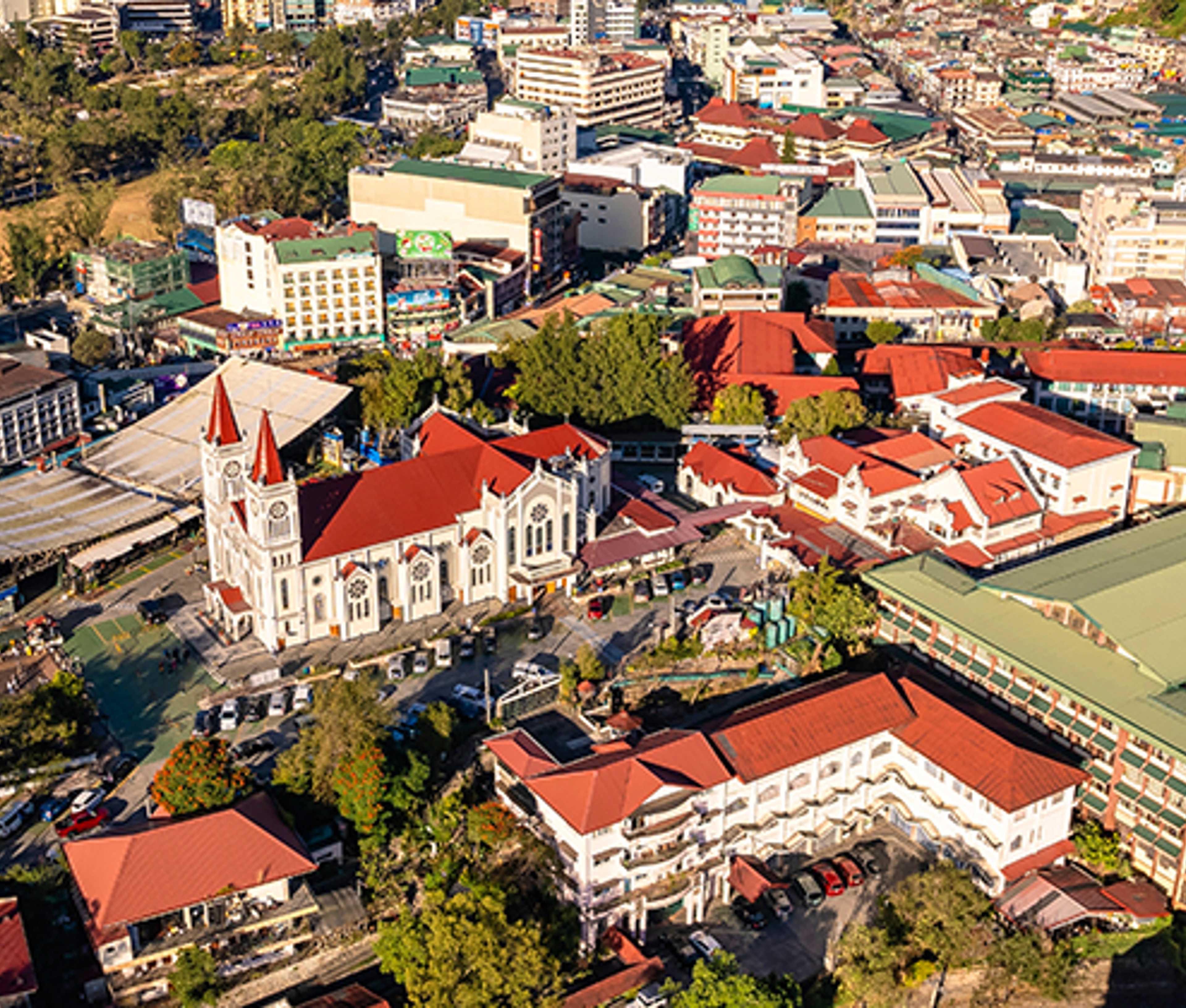
Tamontaka Church
- This church over in Tamontaka has been standing since Spanish times.
- You can tell it’s old from the thick walls and plain design that’s lasted through everything.
- Having a Catholic church in a mostly Muslim area shows how mixed things are here.
- They still hold mass regularly and in small group, but they show up faithfully.

Cotabato City Public Market
- Right on the edge of Datu Odin Sinsuat, this market goes hard from sunrise till late.
- Fresh fish on ice caught that morning, everything from tiny ones to decent tuna.
- Vendors got local fruits, vegetables, and snacks you’ve never seen in city supermarkets.
- Butchers do halal and will cut whatever meat you need while you wait.

Rio Grande de Mindanao River
- This huge river cuts through here, linking inland spots to the coast.
- Boats transport people and cargo up and down, much like roads do in areas without them.
- You can pay someone to take you out and watch life happening along the banks.
- Fishermen work with nets and traps that their dads showed them how to make.

Coastal Barangays
- Little fishing villages spread along the coast, each with its own dock and tied-up boats.
- Houses on stilts over water, skinny walkways connecting them that kids tear across without thinking.
- Morning fish markets happen right on the sand where boats beach themselves with the catch.
- Folks are nice, but tourists can be a bit weird to them, so being respectful beats shoving cameras around.

Mangrove Forest Areas
- Mangrove stretches grow along the coast, roots all twisted up in the mud when the tide’s out.
- They protect the shore from erosion and storms, keeping baby fish and crabs safe as they grow up.
- Get a local to take you by boat when the tide’s high enough.
- Bird watching here attracts species that rely on mangroves for their habitat.
Reason 05
Discover More

Sultan Kudarat Monument
- There’s a monument for Sultan Kudarat, this legendary Maguindanaon ruler who told the Spanish to shove off.
- The statue’s big with writing explaining why he’s important around here.
- People take real pride in being connected to a leader who fought to keep their ancestors free.
- It turned into a landmark where everyone gives directions to and meets.
- You can see the countryside around it and catch regular life happening nearby.

Local Weaving Communities
- Some barangays still have women weaving traditional cloth on these back-strap looms.
- The inaul is a traditional Maguindanaon fabric with geometric patterns in colours that pop.
- Watching them work reveals the considerable time and skill that goes into each piece.
- Buy straight from the weavers and you’re paying for work, not some shop’s markup.
- Some will talk you through what the patterns mean if you’re actually interested and not just killing time.

Awang Airport Viewing Area
- The little airport nearby has places you can sit and watch planes come and go.
- Nothing fancy, but locals hang out there sometimes, watching the action.
- Small planes and military aircraft occasionally use this strip.
- Shops and food spots grew up around it, serving travellers and residents.
- Kids from nearby barangays come to watch planes and imagine where they’d go.

Rice Field Landscapes
- Huge rice paddies take up the flat areas, changing with what’s planted and when.
- Planting time turns fields this bright green with fresh shoots.
- Harvest brings farmers who cut by hand in some places and use machines in others.
- Water buffalo still plough certain fields, though tractors have taken over mostly.
- Walking the raised paths between fields gives you countryside views and farm life up close.

Coastal Fishing Operations
- Bigger fishing outfits operate from the coast, using boats that venture far out.
- Fish drying racks are placed on some beaches to preserve the catch.
- Early mornings when it all happens – boats coming back, buyers arguing over the fresh stuff.
- Some operations don’t mind visitors wanting to see commercial fishing up close.
- The fish and salt smell hangs there permanently, which either stops bothering you or doesn’t.
Reason 06
Culture Traditions

- Holidays to Datu Odin Sinsuat immerse you in Maguindanaon culture, where Islam is deeply ingrained in daily and special occasions.
- Prayer calls from mosques mark the day, causing business and traffic to shift around those times.
- Traditional Maguindanaon music uses kulintang, agung, and dabakan – gongs and drums that create intricate rhythms.
- Arranged marriages happen plenty, with parents deep in choosing who their kids marry.
- The Singkil dance is similar to the Maranao one, which is performed at celebrations and cultural events.
- Respect for datus, the traditional leaders, stays strong even with government layered on top.
- The malong does everything – you wear it, sleep under it, carry babies, haul stuff, and whatever else you need.
- Pick up basic Maguindanaon like “Kanggiyan siran” for thank you, and people warm up faster.
Reason 07
Food Fun Fashion

Food
- Holidays in Datu Odin Sinsuat mean seafood so fresh it was alive just a few hours ago.
- Sinina, a dish of fish in coconut milk with turmeric and spices, often appears at family meals and parties.
- Tiyula itum, a beef soup that has gone black from burnt coconut, tastes like nothing you’ll find outside Mindanao.
- Pater, a spicy beef dish common in Muslim Mindanao, is typically served when something’s being celebrated.
- Everything’s halal, so pork doesn’t exist in the cooking here.
- Rice anchors every meal, likely grown in the fields you drove past on your way here.
- Little roadside spots serve local food at prices that residents pay, not inflated ones.
- Ramadan iftar meals, which mark the end of fasting, feature tons of food shared with basically anyone around.

Fun
- Going fishing with local guys teaches you their methods, and you get to keep whatever you catch.
- Boat rides along the shore and upriver offer a unique view of communities and scenery from the water.
- Beach spots near fishing villages let you swim, though the water’s more gray than clear.
- Walking through barangays gives you a real look at how people live without filtering.
- Market trips turn social with vendors joking around while selling stuff.
- Kids playing in the streets or splashing near their stilt houses make actual moments, not posed ones.
- Basketball courts everywhere have evening games, and locals might wave you in.

Fashion
- Markets sell traditional malong in different colours and patterns without charging stupid amounts.
- Inaul fabric from Maguindanaon weavers makes nice wall stuff, or you can wear it.
- Muslim clothes like thobes and hijabs sewn here cost less than cities charge.
- Brass pieces and metalwork from the region work as unique decorations or jewellery.
- Handwoven bags with traditional patterns make useful souvenirs that help local craftspeople.
- Basic stuff and everyday items at markets show prices before tourist markup happens.
- Getting textiles or crafts from makers directly puts money with whoever did the actual work.
Reason 08
Nature Safari

- Mangrove systems along the coast support marine life from baby fish to mud crabs.
- The Rio Grande de Mindanao creates wetland areas that attract water birds and sustain river communities.
- Rice paddies attract egrets and other birds that feed on bugs and small creatures in the fields.
- Coconut plantations spread where the flat land starts to rise slightly.
- Coastal waters have dolphins sometimes if you get far enough out.
- Mudflats, when the tide’s out, expose stuff normally underwater – crabs and molluscs everywhere.
- Forest patches on higher ground shelter birds and small animals, but development is encroaching on them.
Reason 09
Events Fiestas

- Ramadan flips the area’s schedule, with businesses shut during fasting and then open at night.
- Eid al-Fitr brings three days of celebration with new clothes, family gatherings, and big meals.
- Eid al-Adha has animal sacrifices, with meat going to people who need it across the community.
- The Shariff Kabunsuan Festival, held in Cotabato City, celebrates Maguindanaon heritage, with the municipality joining in.
- Traditional weddings showcase Maguindanaon culture through music, elaborate ceremonies, and days of partying.
- Local barangay fiestas pop up all year, each honouring their patron saint or some important date.
- Kulintang competitions and shows take place at festivals, where musicians showcase their skills.
- Holidays to Datu Odin Sinsuat during major Islamic celebrations show community ties and traditions that have been passed down across generations.