

DiscoverCuyo
Discover the natural beauty, culture and heritage of Cuyo.
Book Now Pay Later











Loading traveller reviews…
Join Our Newsletter
Get tailored flight deals, travel tips & inspiration straight to your inbox.
ExperienceCuyo Holidaysin 2026/2027
Cuyo Island is supposed to be one of the windiest places in The Philippines, and it is one of those places you need to visit. This small island and the fantastic, privileged location makes it a unique place in the world. If you are looking to get away from it all, avoid the usual parties found elsewhere in the Philippines and fancy some time to reconnect with yourself and the wind, Cuyo Island is the place to be!
HandpickedCuyo HolidayDeals
Complete holiday packages with flights, hotels and experiences in Cuyo.


Stays AcrossCuyo
From luxury beachfront resorts to city hotels and budget stays.
UnforgettableExperiencesin Cuyo
Search and book amazing activities and tours across Cuyo.
Top 10 Reasons to Visit Cuyo
Reason 01
A Sneak Peak into Cuyo

- Holidays to Cuyo is a small island municipality in the Palawan province of the Philippines.
- It is known for its picturesque landscapes, rich cultural heritage, and pristine beaches.
- Cuyo is home to several historic sites, including the Cuyo Fort and the St. Augustine Church, which date back to the Spanish colonial era.
- Visitors can explore these sites and learn about the island's history and culture.
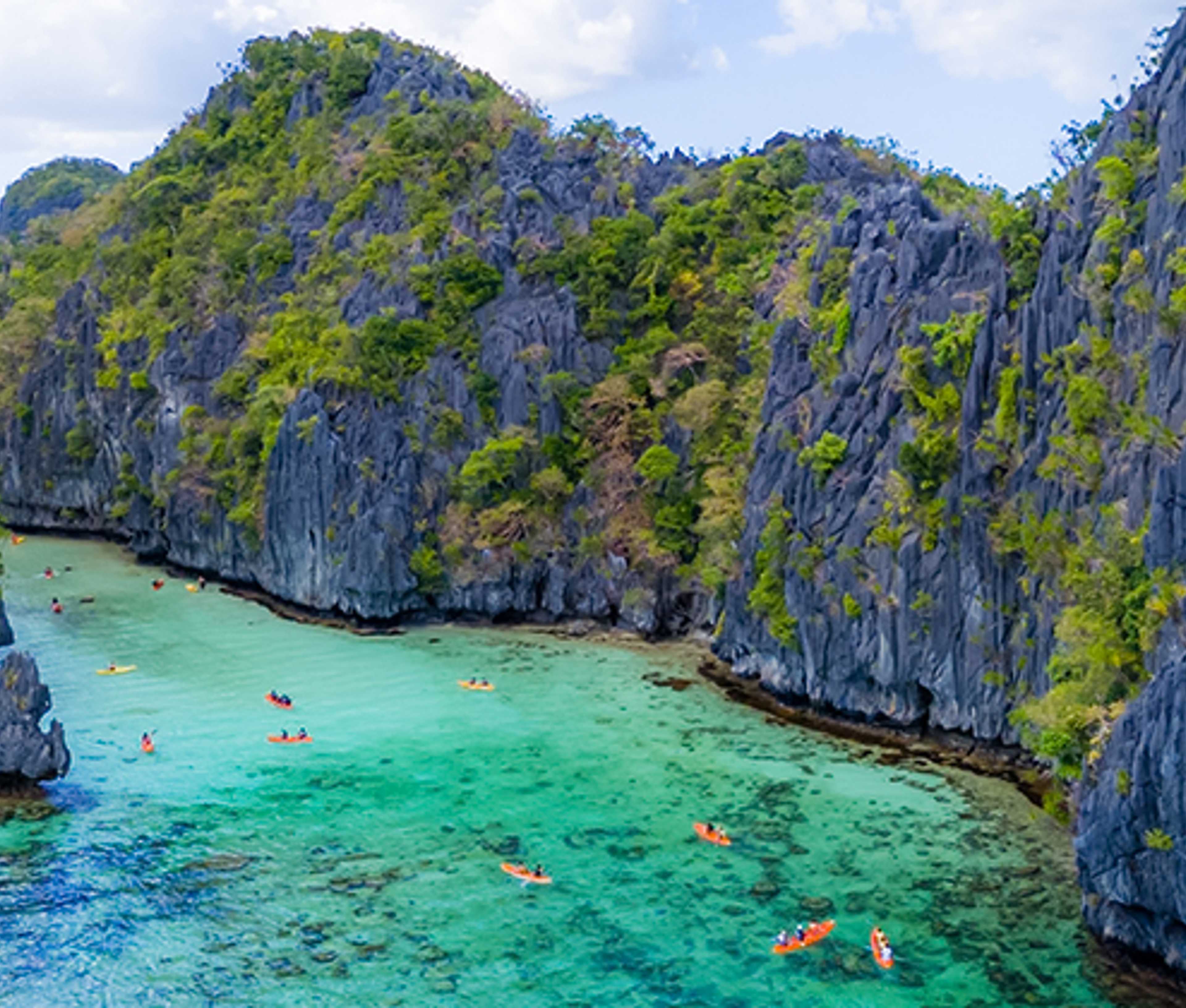
- One of the main attractions of Cuyo is its beautiful beaches, which are surrounded by crystal-clear waters and coral reefs.
- Visitors can go swimming, snorkelling, or diving to explore the island's underwater world, relax on the beach, and soak up the sun.
- Cuyo is also known for its traditional crafts, such as weaving and pottery, which can be found in local markets and shops.
- Visitors can purchase handmade souvenirs and support the local community.
- The island is accessible by boat or plane, with regular flights and ferry services from nearby cities like Manila and Puerto Princesa.
- Cuyo is a quiet and peaceful destination, perfect for travellers looking to escape the crowds and experience the natural beauty and cultural heritage of the Philippines.
- Cuyo is a hidden gem in the Philippines, with its stunning beaches, rich history, and unique culture.
- It is a must-visit destination for travellers who want to experience the beauty and charm of a small island municipality in the Philippines. Our Holiday Vibes are Good Vibes Only!
- Capital: Puerto Princesa
- International airport: Puerto Princesa International Airport (PPS)
- Currency: Philippine Peso (PHP)
- Time: UTC+8
- Driving side: Right-hand side of the road.
- Main electricity: 220V/60Hz
- Official languages: Filipino and English
- Religion: Predominantly Roman Catholic, with some Protestant and other minority religions.
Reason 02
Highlights

- Beaches - Cuyo is known for its stunning beaches, crystal-clear waters and coral reefs. The most popular beaches on the island include Bonbon Beach, Mangingisda Beach, and Agsanay Beach.
- Scuba diving and snorkelling - Cuyo is a popular destination for scuba diving and snorkelling, thanks to its rich marine biodiversity. Visitors can explore the island's coral reefs, home to various colourful fish, sea turtles, and other marine creatures.
- Cuyo Fort - The Cuyo Fort is a Spanish-era fortification that dates back to the 17th century. It is a popular historic site that offers visitors a glimpse into the island's colonial past.
- Island hopping - Cuyo is surrounded by many smaller islands, which can be explored through island hopping tours. These tours allow visitors to explore hidden coves, beaches, and lagoons and soak up the area's natural beauty.
- Kitesurfing - Cuyo is a popular destination for kitesurfing, thanks to its steady winds and calm waters. Visitors can take lessons or rent equipment from local providers.
- Local cuisine - Cuyo is known for its fresh seafood, which can be enjoyed at local restaurants and street food vendors. Visitors can try local dishes such as grilled squid, fish kinilaw, and coconut juice.
Reason 03
Seasons to Travel

- Cuyo is a small island municipality in the Palawan province of the Philippines.
- The island has a tropical climate, characterized by two distinct seasons: the dry and wet seasons.
- The dry season in Cuyo typically runs from December to May, with the peak months being February to April.
- During this time, the weather is generally sunny and dry, with little to no rainfall.
- The temperature during the day can range from 25-32°C, making it a popular time for outdoor activities such as beach hopping, island tours, and water sports.
- The wet season in Cuyo runs from June to November, with the peak months being August to October.
- During this time, the island experiences heavy rainfall and thunderstorms, particularly afternoons and evenings.
- The temperature during the day can range from 23-29°C, and the humidity can be high.
- While the wet season can be a less popular time for tourists, it can also be a good time to visit if you want to avoid crowds and enjoy the island's lush greenery and waterfalls.
- The best time to visit Cuyo depends on your preferences and travel plans.
- If you're looking for sunny and dry weather, the dry season is the ideal time to visit.
- If you're looking for cooler temperatures and fewer crowds, the wet season may be a good option.
Reason 04
Worth A Visit

Bonbon Beach
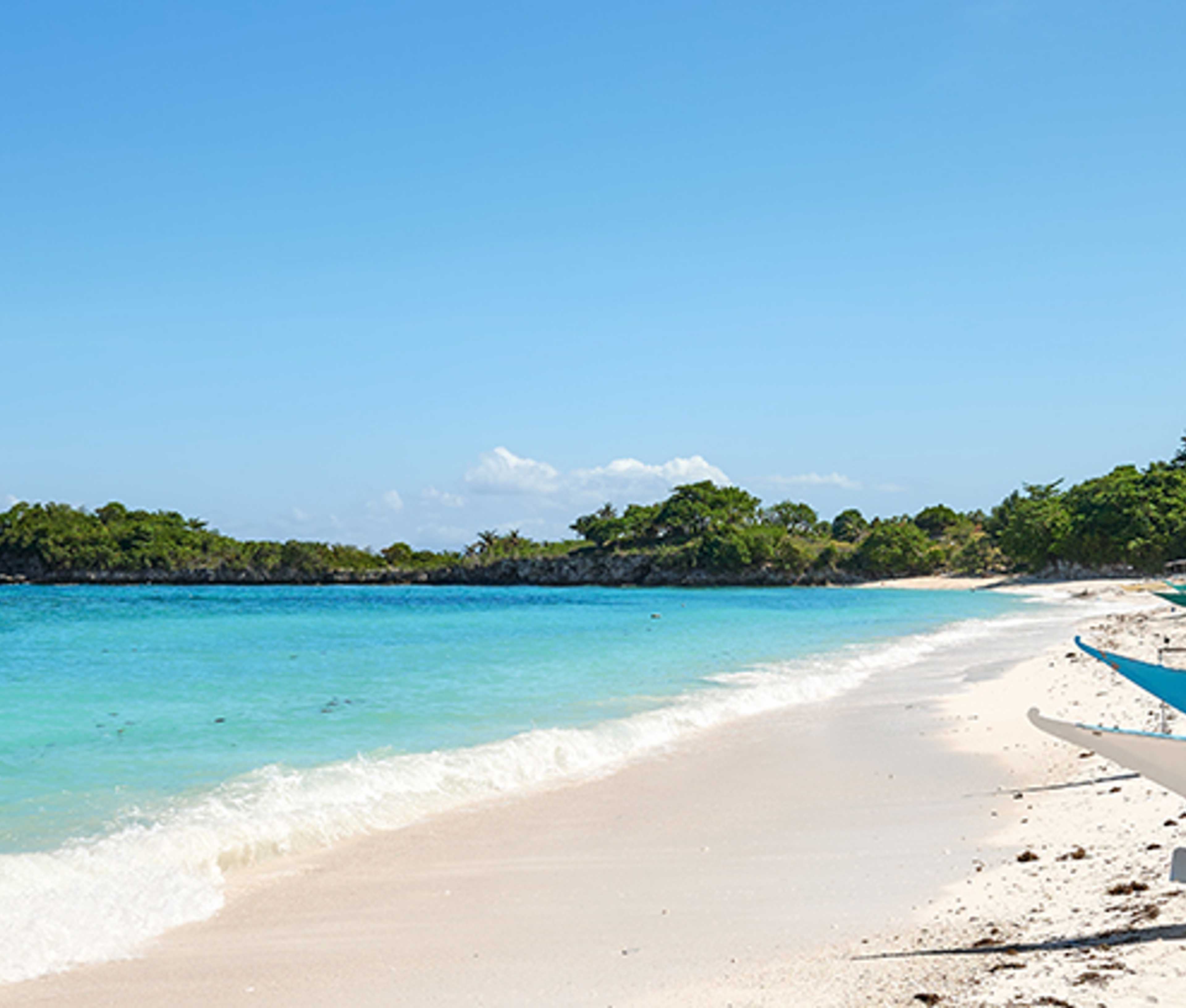
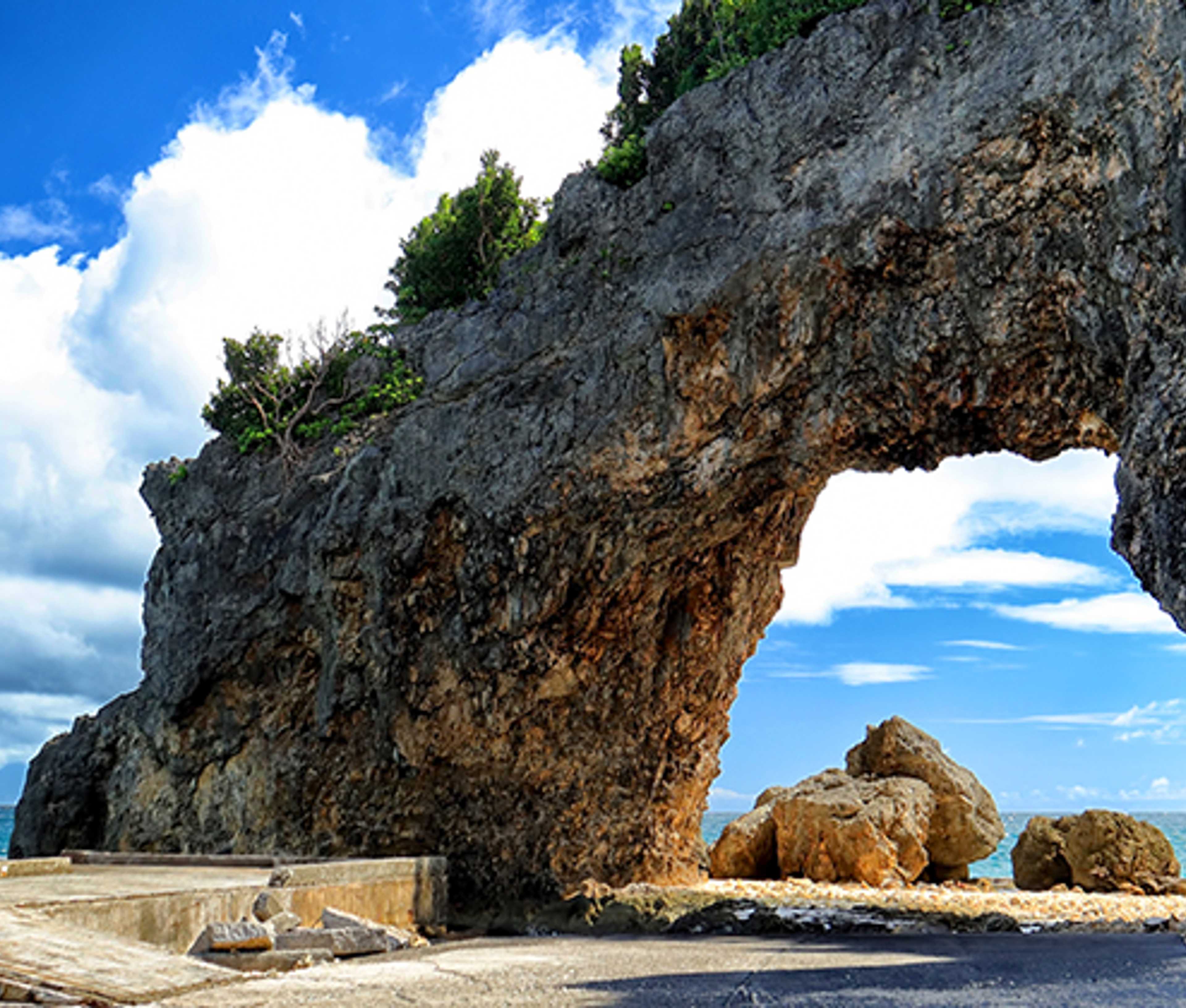
- Bonbon Beach is a popular attraction on Cuyo Island, known for its crystal-clear waters, powdery white sand, and stunning rock formations.
- The beach is on a small sand strip connecting two larger islands, offering a picturesque sea view, especially during sunrise and sunset.
- Visitors can enjoy swimming, sunbathing, and snorkelling in the calm waters and can reach the beach via boat or kayak from Cuyo Island.
- Bonbon Beach has a small sari-sari store where visitors can buy snacks and drinks and are encouraged to take their trash with them to help preserve the beach's natural beauty.

Cuyo Fort
- The Cuyo Fort is a Spanish-era fortification that dates back to the 17th century and is a popular historic site in Cuyo.
- The fort served as a defence against pirate attacks and other threats and offered a panoramic view of the surrounding sea and landscape.
- Visitors can explore the fort's walls and courtyards and check out the small museum that displays artefacts and exhibits related to the island's history.
- The fort is open to the public for free and is accessible by a short walk from the town centre.
- Visitors are advised to wear comfortable shoes and bring water and sunscreen.

Mangingisda Beach
- Mangingisda Beach is another popular attraction on Cuyo Island, known for its calm waters, soft sand, and scenic views.
- The beach offers swimming, sunbathing, and snorkelling opportunities and has a few cottages and huts where visitors can rest and relax.
- Visitors can reach the beach via boat or tricycle from Cuyo Island and enjoy the area's serene and peaceful atmosphere.
- Mangingisda Beach has a few food stalls and restaurants that serve fresh seafood, and visitors are advised to bring their own beach towels and sun protection.

Scuba diving and snorkelling
- Cuyo is a popular destination for scuba diving and snorkelling, thanks to its rich marine biodiversity, including colourful fish, sea turtles, and other marine creatures.
- Dive sites include the Cuyo House Reef, the Quiniluban Group of Islands, and the South Rock, and they offer courses and certification programs for beginner and experienced divers.
- Local dive shops provide equipment rentals and guided tours, and visitors are advised to follow safety guidelines and respect the marine environment.
- Some dive sites may be affected by weather conditions and seasonal changes.

Island hopping
- Cuyo is surrounded by many smaller islands that can be explored through island hopping tours, which offer a chance to explore hidden coves, beaches, and lagoons.
- Popular islands to visit include Quiniluban Island, Pamalican Island, and Dimangan Island, and tours usually include snorkelling and swimming stops.
- Tours can be arranged through local boat operators or tour agencies, and visitors are advised to bring their snorkelling gear and sunscreen.
- Some islands may have entrance fees or environmental fees.
Reason 05
Discover More

Kitesurfing
- Cuyo is a popular destination for kitesurfing, thanks to its steady winds and calm waters, especially during the dry season.
- Local kitesurfing schools provide lessons and equipment rentals and offer a unique perspective of the island's natural beauty.
- Safety guidelines and protocols are strictly enforced, and visitors are advised to wear proper attire and protective gear.
- Kitesurfing spots may vary depending on wind direction and strength.

Agsanay Beach
- Agsanay Beach is another popular beach attraction on Cuyo Island, known for its turquoise waters, white sand, and serene atmosphere.
- The beach offers a perfect spot for swimming and sunbathing and has a few cottages and huts where visitors can rest and relax.
- Visitors can reach the beach via tricycle or boat from Cuyo Island and enjoy the area's peaceful and quiet atmosphere.
- Agsanay Beach has a few food stalls and restaurants that serve fresh seafood, and visitors are advised to bring their own beach towels and sun protection.

Local cuisine
- Cuyo is known for its fresh seafood, which can be enjoyed at local restaurants and street food vendors.
- Visitors can try local dishes such as grilled squid, fish kinilaw, coconut juice, and popular Filipino dishes like adobo, sinigang, and lechon.
- Local food stalls can be found in the town centre and near the beaches, and visitors can purchase fresh seafood at the local market and have it cooked by local restaurants.
- Some restaurants offer vegetarian and vegan options, and visitors are advised to try the local delicacy "bukayo", a sweet made from coconut meat and sugar.
Reason 06
Culture Traditions

- Language: Most of the population in Cuyo speaks Cuyonon, a language belonging to the Visayan language family. However, most people also speak Tagalog and English.
- Religion: The majority of Cuyo's population is Catholic, a legacy of the Spanish colonial period. Many traditional Catholic practices are still observed on the island, such as celebrating fiestas and the veneration of saints.
- Music and dance: Music and dance play an important role in Cuyonon culture. The traditional music of Cuyo is characterized by bamboo and percussion instruments and is often performed during festivals and celebrations. The island also has a traditional dance called "Sayaw sa Bangko", performed on top of narrow benches.
- Handicrafts: Cuyo is known for its traditional handicrafts, such as weaving and basket-making. These crafts are often passed down from generation to generation and reflect the island's traditional way of life.
- Cuisine: Cuyo's unique cuisine is influenced by its coastal location and Spanish heritage. Fresh seafood is a staple of the island's cuisine, and dishes such as grilled squid, fish kinilaw, and coconut juice are popular. Local delicacies like "bukayo" and "peanuts" are also widely enjoyed.
- Festivals: Cuyo celebrates several festivals yearly, reflecting its religious and cultural traditions. The most important festival is the Feast of St. Augustine, celebrated every August and marked by parades, processions, and street dancing.
- Architecture: Cuyo has several well-preserved Spanish-era structures, including the Cuyo Fort and the San Agustin Church. These buildings reflect the island's colonial past and serve as a reminder of its rich history.
Reason 07
Food Fun Fashion

Food
- Fresh seafood: Cuyo Island is surrounded by waters rich in seafood, making it a great destination for fresh seafood lovers. Some popular seafood dishes include grilled squid, kinilaw (raw fish marinated in vinegar and spices), and buttered shrimp.
- Bukayo: Bukayo is a popular local delicacy made from grated coconut meat and brown sugar. It is often enjoyed as a snack or dessert and can be found at local markets and food stalls.
- Panutsa: Panutsa is a sweet snack made from peanuts and caramelized sugar. It is often sold in small squares and is a popular snack for locals and visitors alike.
- Lechon: Lechon is a popular Filipino dish made from a whole roasted pig. It is often served during special occasions and celebrations and is a must-try dish on Cuyo Island.
- Sinigang: Sinigang is a popular Filipino soup dish with meat, fish, and vegetables in a sour broth. It is often served with rice and is a popular comfort food for many Filipinos.
- Coconut juice: Coconut juice is a refreshing drink readily available on Cuyo Island. The island's coconut trees produce sweet and nutritious coconut water, a great way to cool off after a day in the sun.
- Tubâ: Tubâ is a local alcoholic drink made from coconut sap. It is often served in bamboo tubes and tastes sweet and slightly sour. It is a popular drink for locals and visitors and is often enjoyed during celebrations and special occasions.

Fun
- Beach-hopping: Cuyo Island is known for its pristine beaches, crystal-clear waters, and stunning rock formations. Visitors can go beach-hopping to explore the island's different beaches, including Bonbon Beach, Agsanay Beach, and Mangingisda Beach.
- Island hopping: Cuyo Island is surrounded by smaller islands that can be explored through island hopping tours. These tours offer a chance to discover hidden coves, beaches, and lagoons, usually including snorkelling and swimming stops.
- Scuba diving and snorkelling: Cuyo Island's rich marine biodiversity makes it a popular destination for scuba diving and snorkelling. Dive sites include the Cuyo House Reef, the Quiniluban Group of Islands, and the South Rock, and they offer opportunities to see colourful fish, sea turtles, and other marine creatures.
- Kitesurfing: Cuyo Island is a popular destination for kitesurfing, thanks to its steady winds and calm waters. Local kitesurfing schools provide lessons and equipment rentals and offer a unique perspective of the island's natural beauty.
- Historical and cultural tours: Cuyo Island has a rich cultural heritage and several well-preserved historical sites, including the Cuyo Fort and the San Agustin Church. Visitors can take guided tours to learn about the island's history and traditions.
- Sunset watching: Cuyo Island's stunning sunsets are a must-see for visitors. Visitors can watch the sun go down from different vantage points on the island, including the beach, the fort, and the lighthouse.
- Local cuisine: Cuyo Island's food scene is a must-try for food lovers, with fresh seafood and unique local delicacies like bukayo and peanuts. Visitors can enjoy the island's delicious food at local restaurants, street food stalls, and markets.

Fashion
- Traditional clothing: The traditional clothing of Cuyo is influenced by its Spanish heritage and is often characterized by loose, flowing garments made from lightweight fabrics. Visitors can purchase traditional clothing at local markets and shops.
- Beachwear: Cuyo Island's beaches are a popular destination for tourists, and visitors can find a range of beachwear options at local shops and stalls. Items such as swimsuits, cover-ups, and beach towels can be found at affordable prices.
- Accessories: Cuyo Island is known for its handicrafts, including woven bags, hats, and jewellery. These items are often made from natural materials such as bamboo and shells and can be found at local markets and shops.
- Sunglasses: Sunglasses are essential for visitors to Cuyo Island, especially outdoors. Local shops offer a range of sunglasses options at affordable prices.
- Footwear: Comfortable footwear is important for exploring Cuyo Island's beaches and attractions. Visitors can find footwear options at local shops and stalls, including flip-flops and sandals.
- Souvenirs: Visitors to Cuyo Island can find a range of souvenirs to take home, including t-shirts, hats, and keychains. These items often feature the island's name or landmarks and can be found at local markets and shops.
Reason 08
Nature Safari

- Beaches: Cuyo Island is known for its stunning beaches, crystal-clear waters, soft white sand, and picturesque rock formations. Visitors can explore the island's beaches, including Bonbon Beach, Agsanay Beach, and Mangingisda Beach.
- Coral reefs: Cuyo Island is surrounded by coral reefs that offer opportunities for snorkelling and diving. The island's coral reefs are home to various marine creatures, including colourful fish, sea turtles, and other marine life.
- Wildlife: Cuyo Island is home to various wildlife, including endemic bird species such as the Cuyo Fantail and the Cuyo Bulbul. Visitors can explore the island's wildlife by taking guided tours or hikes.
- Caves: Cuyo Island has several caves that offer exploration and adventure opportunities. The island's caves feature unique rock formations and underground pools.
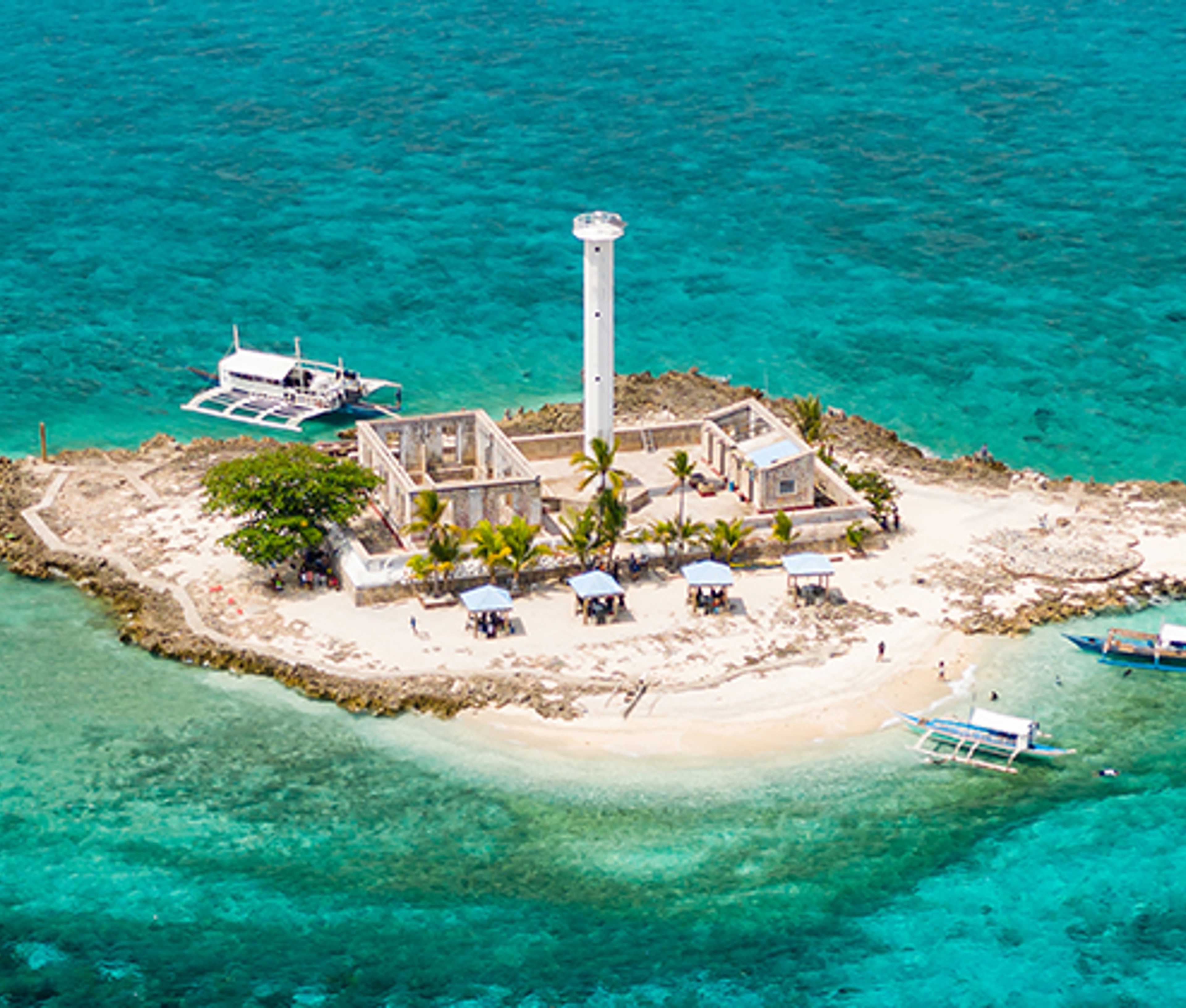
- Lighthouses: Cuyo Island has several lighthouses that offer panoramic views of the island's landscape and surrounding sea. Visitors can hike up to the lighthouses for stunning views of the island.
- Mangrove forests: Cuyo Island has several mangrove forests that offer a unique ecosystem and support a variety of wildlife. Visitors can explore the island's mangrove forests by guided tours or kayaking.
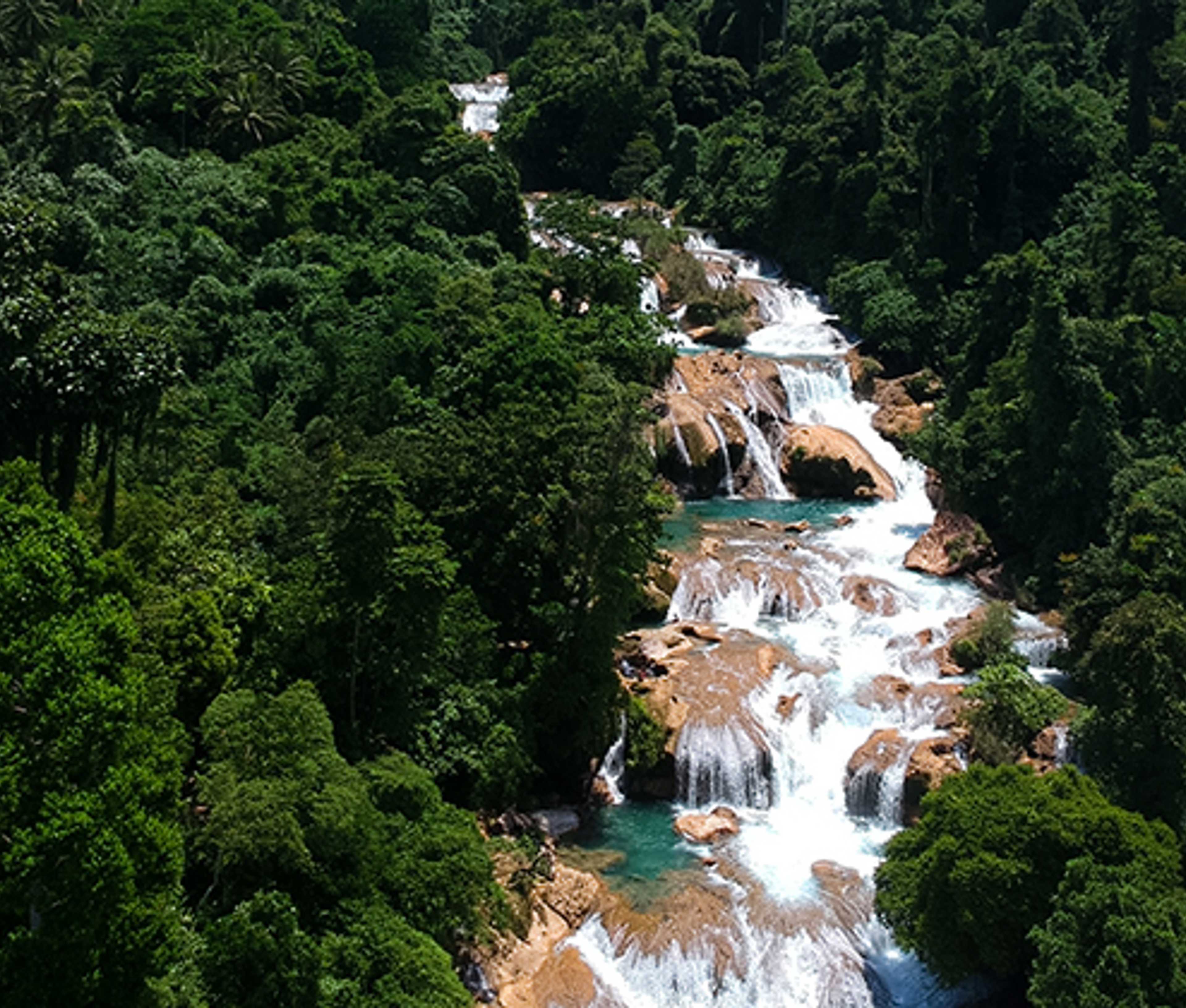
- Waterfalls: Although Cuyo Island has no major waterfalls, visitors can explore smaller cascades and pools that offer a refreshing break from the island's beaches and attractions.
Reason 09
Events Fiestas

- Feast of St. Augustine: The Feast of St. Augustine is the most important festival on Cuyo Island and is celebrated every August 28. The festival honours the patron saint of Cuyo and is marked by parades, processions, and street dancing.
- Lang-Ay Festival: The Lang-Ay Festival celebrates Cuyo Island's indigenous culture and traditions. The festival is held every October and features traditional dances, music, food, competitions, and cultural exhibitions.
- Holy Week: Holy Week is an important religious observance on Cuyo Island and is marked by processions, penitential rites, and reenactments of the Passion of Christ. The island's churches and religious sites are decorated with flowers and candles during this time.
- Christmas: Christmas is a festive time on Cuyo Island, with carolling, feasting, and gift-giving. The island's churches are decorated with colourful lights and lanterns, and traditional Filipino dishes like lechon and bibingka are enjoyed.
- New Year: New Year is a time of celebration and reflection on Cuyo Island, with fireworks, parties, and gatherings with family and friends. The island's churches also hold special masses and services to mark the occasion.