

DiscoverZamboanga Del Norte
Discover the natural beauty, culture and heritage of Zamboanga Del Norte.
Book Now Pay Later










Loading traveller reviews…
Join Our Newsletter
Get tailored flight deals, travel tips & inspiration straight to your inbox.
HandpickedZamboanga Del Norte HolidayDeals
Complete holiday packages with flights, hotels and experiences in Zamboanga Del Norte.
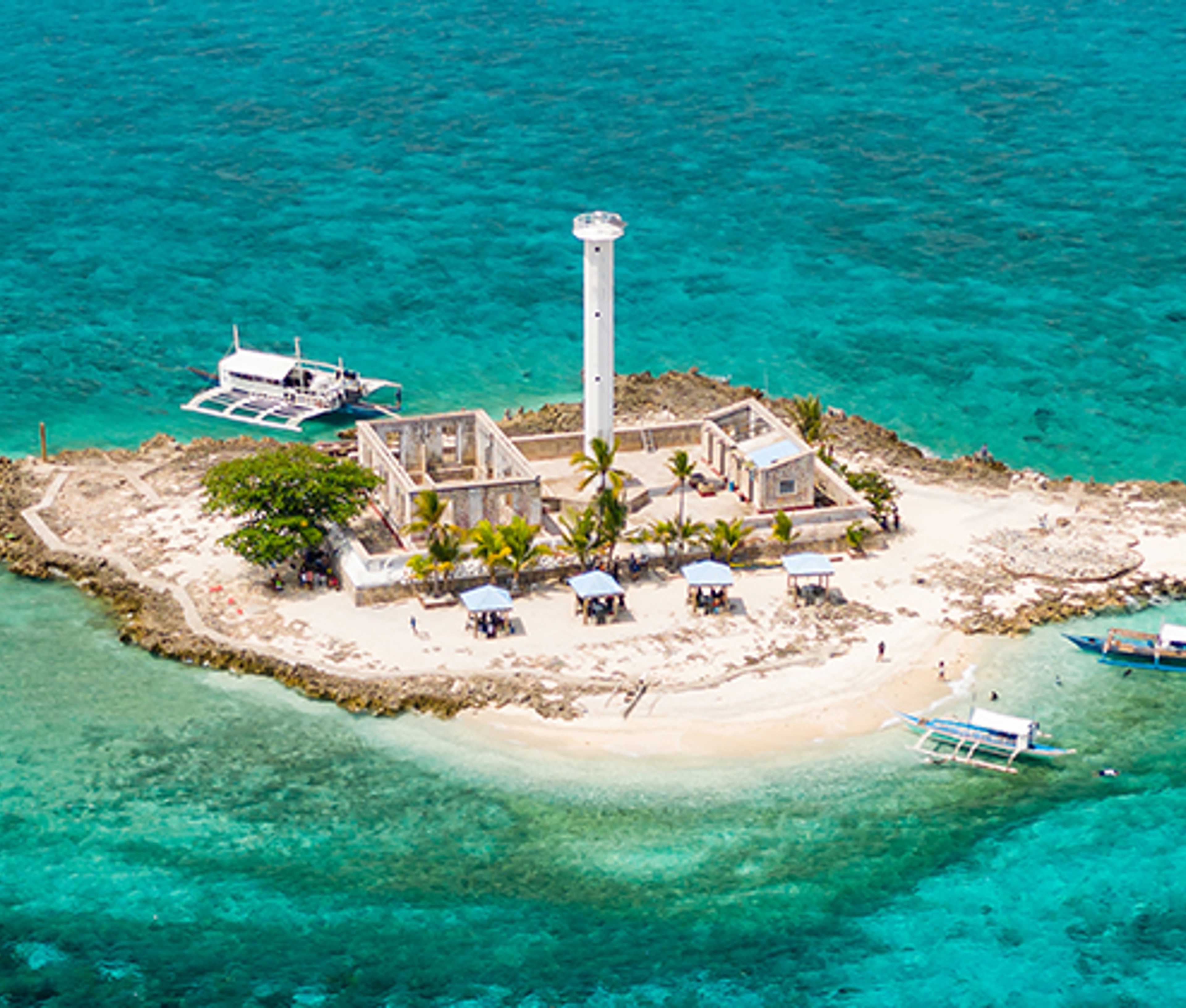
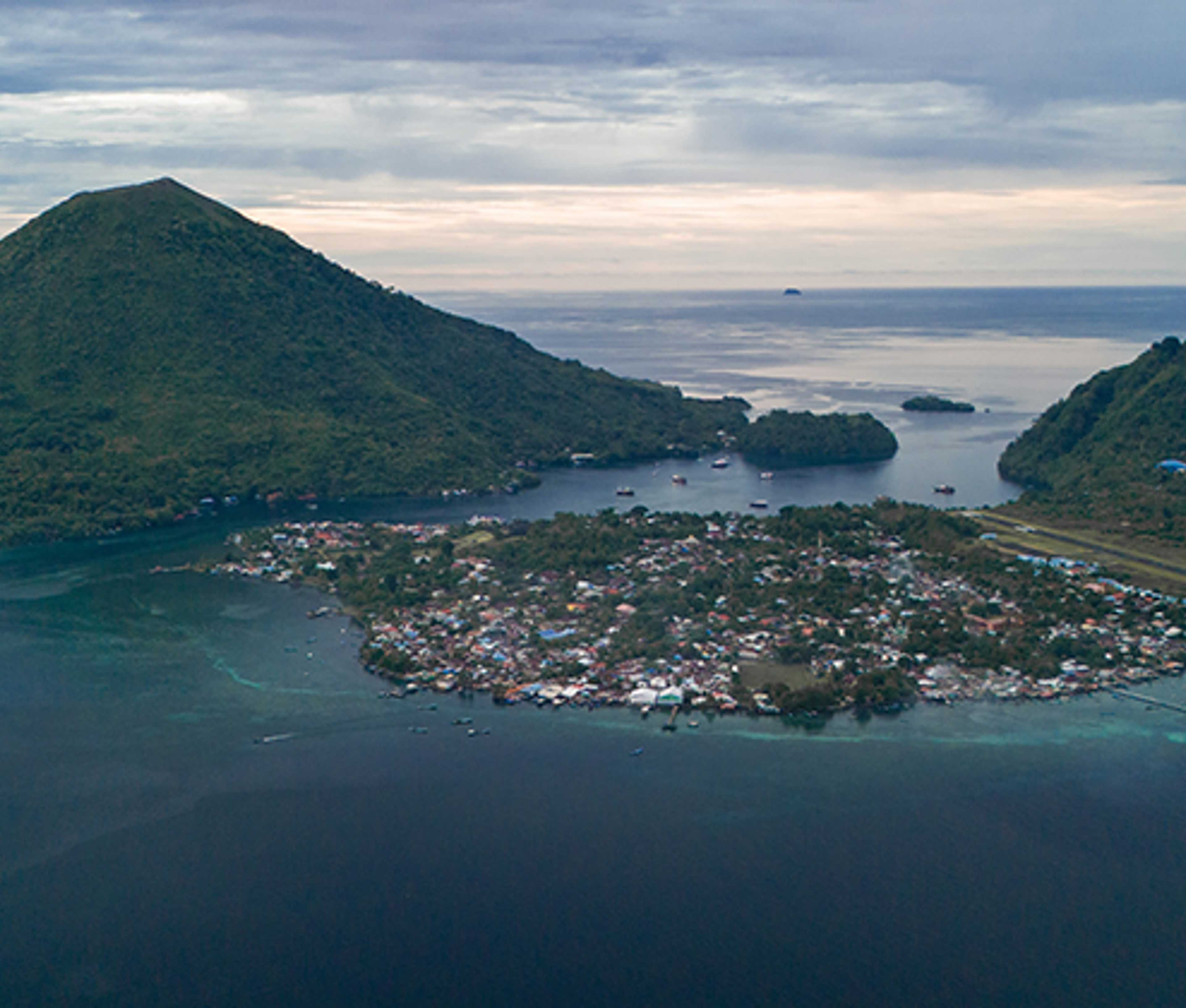
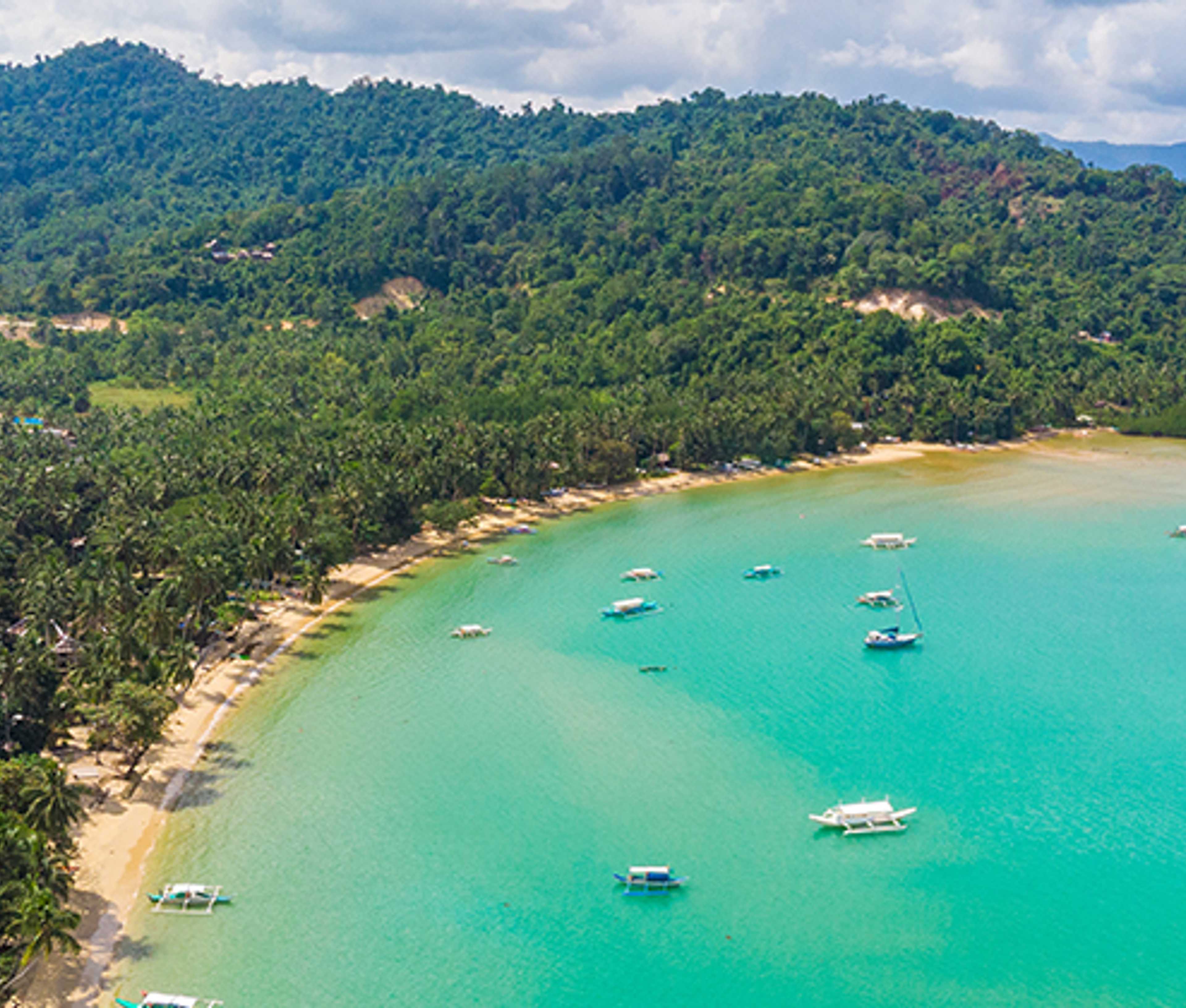
Stays AcrossZamboanga Del Norte
From luxury beachfront resorts to city hotels and budget stays.
UnforgettableExperiencesin Zamboanga Del Norte
Search and book amazing activities and tours across Zamboanga Del Norte.
Top 10 Reasons to Visit Zamboanga Del Norte
Reason 01
A Sneak Peak into Zamboanga Del Norte

- Find out what makes Holidays to Zamboanga del Norte, a city in the Philippines, so special. It boasts a rich history, vibrant culture, and stunning natural beauty.
- This place is perfect for people who want to have fun, relax, or learn about the history of the area.
- Zamboanga del Norte is a great place to make memories because it has beautiful beaches, lush scenery, and nice people.
- Imagine waking up to the sound of waves crashing on the shore or walking through busy local markets that are full of handmade goods and tasty street food.
- The state is more than just a place to visit; it’s an event that you’ll remember for a long time.
- The beautiful setting is one of the best things about Zamboanga del Norte. Every part of the province is beautiful to look at, from the white beaches of Dakak Beach to the stunning views from Ilihan Hill.
- Its green woods and oceans are home to a lot of different species, making it a great place for nature fans and people who like to go on adventures.
- Everyone can find something they enjoy, like climbing in the hills or jumping into the clear water.
- And let’s not forget the air is filled with cultural richness—traditional events, local art, and historical sites all tell a colourful story that draws people in.
- Also, the people who live in Zamboanga del Norte are friendly and ready to share their customs and stories.
- Making friends with people in the area makes your trip more unique and meaningful.
- The people you meet here will make your trip more interesting, whether you’re interested in learning about local customs or dancing traditional dances.
- It looks like this trip will be both fun and educational, so pack your things and get ready!
- Capital: Dipolog City
- International airport: The nearest major airport is Dipolog Airport (DPL), which serves domestic flights from Manila and Cebu. The nearest international airport is Laguindingan Airport (CGY) in Misamis Oriental.
- Currency: Philippine Peso (PHP)
- Time zone: UTC+8 (Philippine Standard Time)
- Driving side: Right-hand side
- Main electricity: 220 volts, 60 Hz
- Official languages: Filipino and English; Cebuano, Chavacano, and Subanen are also widely spoken.
- Major religion: Predominantly Roman Catholic, with other Christian denominations and small Muslim communities.
Reason 02
Highlights

- Holidays to Zamboanga del Norte have attractions for every interest, so every visitor is entertained. Ilihan Hill is a famous site for panoramic views of the surroundings.
- This spot is perfect for photographers and nature lovers, particularly around dawn or sunset when the colours come alive. Hiking pathways to the peak are excellent for outdoor lovers.
- Visit the Dipolog Cathedral, a historical site that highlights the region’s rich religious legacy. Visitors feel calm in the cathedral’s modern-traditional architecture.
- The busy Dipolog City Plaza hosts local events and gatherings, making it a perfect place to experience local culture and meet friendly people. Don’t miss the neighbouring markets for unique items and local specialities!
- Discover Dakak Beach, a haven for beachgoers. The pure white beaches and blue seas make it ideal for leisure and water sports. Dakak Beach is perfect for sunbathing and water sports.
- Zamboanga del Norte’s numerous attractions provide an engaging experience for all visitors.
Reason 03
Seasons to Travel

- The right time to visit holidays to Zamboanga del Norte might improve your experience. The province has a tropical wet-dry climate. The dry season (November–April) is the optimum time to visit. These months are ideal for beach trips and outdoor activities, thanks to the abundance of sunlight and minimal rainfall. This time also corresponds with local festivals, allowing you to experience the region’s lively culture.
- If you want to escape crowds and discover cheaper Zamboanga del Norte lodgings, arrive in May or October. Despite the periodic rain, the vast foliage and fewer visitors might provide for a more peaceful experience. Hotels and activities are cheaper during certain seasons, making for a budget-friendly holiday without compromising comfort.
- Watch for local events and festivals throughout the year to celebrate Zamboanga del Norte’s rich history. The Pangalay Festival in Sibuco showcases traditional dances, music, and food, giving a true taste of the culture. Coordinating your holiday with such activities can add a lot of excitement!
Reason 04
Worth A Visit

Retrace Rizal’s footsteps
- Retracing Rizal’s steps in Dapitan may be the most significant element of your Zamboanga del Norte itinerary, especially if you’re a Filipino. During his banishment from July 17, 1892, until July 31, 1896, the national hero served the townspeople.
- Visit the city’s most famous Rizal monument, the Punto del Desembarco. He disembarked from the S.S. Cebu from Manila to Santa Cruz Beach here. Bronze sculptures of Riza, Delgras, and artillerymen are aboard the ship. National Artist for Sculpture Napoleon Abueva's pupil, Ronel Roces, created them. Just over the monument is a 20-foot crucifix that symbolises Dapitan’s Christianization.
- History buffs might visit the 16-hectare Rizal Park and Shrine. In the protected region, Rizal’s four-year exile in Dapitan is remembered. Five bamboo and nipa cottages have been meticulously restored. Rizal’s Casa Residencia is the largest of the five.
- Museo ni Jose Rizal, at the shrine’s main entrance, displays letters, garments, medical gear, and copies of his and his wife Josephine Bracken’s artworks. The museum has its school’s chalkboard, table, and seats.

Day trip or overnight at Dakak
- Other names that may evoke distant recollections are Rizal and Dakak Beach Resort. That 1980s–1990s noontime program commercial cemented the term in many Filipinos’ minds, including millions of millennials.
- The resort remains popular with residents and visitors from adjacent regions.
- The site includes scuba diving, jet skiing, ATV riding, and rappelling, so that one might spend days there. From there, you may go island-hopping to the surrounding beaches or see Dapitan City’s legacy.

Offer prayers at antique churches
- Dapitan and Dipolog have several old churches. It’s important to see Our Lady of the Most Holy Rosary Cathedral, also known as Dipolog Cathedral. Built in 1894 and named for the city’s patroness, its altar is a duplicate of Rizal’s exile retablo. A marble façade and oak ceiling are also present.
- The Dapitan Church of Saint James the Greater, where Rizal attended Sunday service, is well worth seeing. Find the marking where he normally sat at the entryway. His excommunication prevented him from approaching the altar during Mass. The church’s orange and white rectangular ceiling creates depth and motion.
- Ilihan Hill behind the church offers a short walk. The earliest residents of Dapitan are buried 200 steps above the earth. Spanish colonists dubbed it Fort Dapitan and added stone walls and guns.

Relive history in Dapitan Heritage Zone
- Along with its Rizal connections, Dapitan has several historic buildings. The National Historical Commission of the Philippines proclaimed a part of the city and 33 ancient sites an ancient Zone in 2011 to honour its history. Thus, Dapitan was called “Shrine City.”
- Pablo Page’s historic home is one of the city’s few surviving. Built in 1919, it hosted principalia events in the 1950s and 1970s.
- Another famous ancestral home is Aniano Adasa’s, currently the city’s tourist office.
Reason 05
Discover More

Relive the past in this ancient home
- Spend a few hours in Balay Hamoy, Dapitan’s most renowned historic home, to learn more about its history. The magnificent wooden mansion was formerly owned by Don Mariano Hamoy and Doña Pilar A. Sagario. It was erected in February 1893 using yakal, molave, narra, and kamagong, the strongest woods.
- Rizal, Don Mariano’s buddy and Ateneo Municipal de Manila classmate at Intramuros, frequented the 130-year-old residence. The first story is now an events space, while the second floor is the first Department of Tourism-accredited museum in Region IX.
- Balay Hamoy is located at 143 Mi Retiro Street, Dapitan, Zamboanga del Norte. It is open Tuesday through Saturday, 9 a.m. to 5 p.m. Admission (including a guided tour) is P300 for adults and P250 for government officials, medical front-liners, teachers, students, and children.

Cool off under a waterfall
- Holidays to Zamboanga del Norte have several natural attractions, including Sungkilaw Falls, 40 minutes from Dipolog City in a verdant jungle.
- The climb is difficult, but the clean waters and peaceful surroundings are worth it.
- Cottages, bathrooms, and routes for easier trekking have been built by the local government and Subanen villages.

Find out more about the Subanen society
- Still want to feel the comfort of nature? If you spend the morning at Sungkilaw Falls, you can spend the afternoon at Cogon Eco-tourism Park, a 344-hectare protected area with many kinds of plants and animals.
- We recommend bringing a mat and some takeaway food and having lunch under some tall trees.
- The Cogon Eco-tourism Park is a great example of a reforestation project that worked.
- It is now a popular spot for locals and students on field trips who want to spend a nice day hiking or camping.
- A replica of a Subanen Village, a swinging bridge, an aviary, and an orchidarium are on display.

Watch the sun go down and eat some street food
- Don’t miss the chance to see the sun go down at Sunset Boulevard, Dipolog’s most famous strip.
- People from all over the world love the 7.6-kilometre esplanade that faces the Sulu Sea.
- Locals also love it as a place to go for a quick morning run or ride their bikes. Also, people of all kinds love going there on dates.
- Just before the sun goes down, the stretch comes to life. They can set up shop and start selling a wide range of street food in an instant, like barbecue, fish and squid balls, ice cream, and fried chicken.
Reason 06
Culture Traditions

- Understanding Zamboanga del Norte’s history and culture enriches your trip. Heritage sites around the province convey its narrative. The Dipolog Cathedral, a modern-traditional building, is notable. As a historical monument and site of worship, this cathedral represents the region’s religious tradition. Visitors may admire the calm decor and artistry.
- The Fort of San Jose in Dapitan is another cultural attraction. This Spanish colonial fort was a military outpost. It reminds tourists of the province’s rich history and is a favourite stop for colonial history buffs. Guided tours illuminate the fort’s history.
- Engaging with local populations provides a unique view of Zamboanga del Norte culture. Visitors may learn about local crafts and generations-old techniques by attending weaving or pottery courses. These encounters deepen your awareness of the province’s rich culture, making your holiday more meaningful.
Reason 07
Food Fun Fashion

Food
- Zamboanga del Norte cuisine would satisfy foodies. The region’s fresh seafood, bright flavours, and distinctive local delicacies reflect its rich cultural legacy. Kinilaw, a Filipino ceviche prepared with fresh fish marinated in vinegar and citrus liquids, is a must-try. This refreshing appetiser is a local and tourist favourite. Combine it with a cool drink for a wonderful beachfront lunch!
- Other local specialities include pancit, a noodle dish with many flavours. Pancit is a Filipino favourite eaten as a soup or stir-fried at parties. To try real versions of these meals, visit local restaurants and street food carts, which employ fresh, local ingredients to enhance the flavours.
- The area has several desserts to suit every desire. Puto, a fluffy steamed rice cake with cheese or shredded coconut, is definitely worth trying. These tasty treats are simple to get while sightseeing since street sellers offer them. Zamboanga del Norte’s diverse culinary scene guarantees a great journey for foodies.

Fun
- Zamboanga del Norte offers several thrilling activities. The region is known for water activities, especially at Dakak Beach and neighbouring islands. The seas are full of marine life and coral reefs, making snorkelling and diving advisable. Many local businesses offer guided underwater trips that combine safety with fun. For a great day on the sea, try jet skiing or paddleboarding.
- Walking and trekking in Zamboanga del Norte’s verdant terrain is gratifying for land-based adventurers. Trails to picturesque views like Ilihan Hill offer a blend of nature and exhilaration. Birdwatching is another popular pastime in the province, where many bird species live in its woods and coasts. Grab your binoculars and camera to capture these feathery companions’ beauty!
- Finally, attend local cultural events. Traditional dances, culinary sessions, and crafts workshops will help you grasp the region’s legacy. Getting involved in the local community makes your holiday memorable. Zamboanga del Norte is a paradise for thrill-seekers, offering a wide range of activities.

Fashion
- Visit holidays to Zamboanga del Norte to experience local culture and craftsmanship while shopping. Visitors may buy fresh food and homemade products at lively provincial markets. The Dipolog City Market, with its textiles, handicrafts, and street food, is a popular attraction. While shopping for unique gifts, you may enjoy the lively environment.
- The Rizal Park Night Market, with its many local cuisines and crafts, is another fantastic shopping spot. This market is ideal for sampling local cuisine and buying handcrafted goods from local artisans. Try the region’s sweets like puto and kakanin.
- Local stores in Dipolog City provide fashionable clothing and accessories by local designers. These stores support the local economy and provide unique items you won’t find elsewhere. Shopping in Zamboanga del Norte is a treat for anybody looking for handmade jewellery or traditional clothing.
Reason 08
Nature Safari

- Zamboanga del Norte’s different landscapes are stunning and worth exploring. Ilihan Hill’s panoramic views of the province’s landscape are one of its most spectacular attractions.
- Hiking to the peak is a great way to appreciate nature and fresh air. Well-marked pathways make hiking easy for beginners and experts. Bring your camera—the sights are Instagram-worthy!
- Zamboanga del Norte has several beautiful beaches for leisure and adventure.
- Dakak Beach is perfect for sunbathing, swimming, snorkelling, and jet skiing. Its quiet, clean waters are ideal for families and parties wishing to relax by the sea. You may join the party with equipment rentals from local providers.
- If you want peace, visit the province’s natural parks and reserves. The beautiful settings with various flora and wildlife are ideal for birding and nature photography.
- Guided eco-tours cover the local ecology and promote conservation. Nature enthusiasts and adventurers adore Zamboanga del Norte for its various outdoor activities.
Reason 09
Events Fiestas

- Festivals and holidays in Zamboanga del Norte showcase the province’s unique culture. Sibuco’s Pangalay Festival is much-awaited. This event lets visitors experience local culture via traditional dances and music. The event’s centrepiece is the pangalay, a graceful, beautiful dance performed at weddings and festivities.
- In honour of San Vicente de Paul, the Dipolog Fiesta is another noteworthy event. Street parades, food stalls, and cultural events draw residents and visitors to this vibrant festival. The streets are decorated in bright colours, and tourists may sample local specialities while celebrating. These activities provide a unique chance to learn about the town and its customs.
- Smaller festivals and community activities showcase the province’s agricultural abundance and creative skills year-round. The kindness and friendliness of Zamboanga del Norte are on display during these events, which involve local crafts, cuisine, and entertainment. Check local calendars for events during your stay!