

DiscoverJabonga
Discover the natural beauty, culture and heritage of Jabonga.
Book Now Pay Later











Loading traveller reviews…
Join Our Newsletter
Get tailored flight deals, travel tips & inspiration straight to your inbox.
HandpickedJabonga HolidayDeals
Complete holiday packages with flights, hotels and experiences in Jabonga.
Stays AcrossJabonga
From luxury beachfront resorts to city hotels and budget stays.
UnforgettableExperiencesin Jabonga
Search and book amazing activities and tours across Jabonga.
Top 10 Reasons to Visit Jabonga
Reason 01
A Sneak Peak into Jabonga

- Should you be planning your holidays to Jabonga, you will find a lovely municipality with the eastern shore of Agusan del Norte gently touching the Mindanao Sea and the expansive Lake to beverage the many to explore Jabonga in her intrinsic calmness and fertility.
- The town is located on the western coast of Lake Mainit, the fourth-largest lake in the Philippines, with a natural laboratory of endemic flora and fauna that the locals both depend on as sustenance and as a symbolic tradition.
- The plains of the lake are slowly covered with rolling hills which form a picturesque background that sustains a productive agricultural colony that produces rice, corn and coconuts.
- The area is proudly known as a gateway to the lake by its excellent access to freshwater fishing areas and picturesque spots that lure tourists who need peaceful waterside environments.
- The coastal strips of the municipality offer an array of cross-section of marine life with the mainland coastline mingling with the infinite blue of Mindanao Sea and forming an interactional habitat to fishermen as well as nature admirers.
- The sweet smell of the freshly-picked goods of the local fields is carried by the gentle breeze, and this is an ode to how close the community is to the land and water which feeds them.
- Capital (of the province): Cabadbaran City
- International airport: None in Jabonga
- Nearest commonly used airports:
- Bancasi Airport (Butuan City, Agusan del Norte) – domestic flights (~1 hour by land)
- Ninoy Aquino International Airport (Manila) – primary international gateway
- Currency: Philippine Peso (PHP)
- Time zone: UTC+8 (Philippine Standard Time)
- Driving side: Right-hand side
- Main electricity: 220 volts, 60 Hz
- Official / local languages: Cebuano, Filipino, English
- Major religion: Predominantly Roman Catholic
Reason 02
Highlights

- In determining where to go on holidays to Jabonga the first thing to notice is the broad open shore of the lake, where in early mornings the curling mist falls on the smooth waters, and the air is quiet and serene.
- The town is a large producer of rice-and-corn because of alluvial soils with high nutrients, which the tributaries of Lake Mainit brought to the area, and whose fields serve as a life testament to the resilience of agriculture.
- The fishermen of the area have two separate fishing grounds, the fresh-water beds of the lake and the salt-water channels of the Mindanao Sea, upon which they count on to furnish their market-stalls and family-tables.
- The lake has a rustic structure of piers which are used to indicate the periphery of the lake providing easy points of boat rentals, recreational paddling as well as family picnicking facilities along the water.
- The city square, with colonial style buildings, is a social centre where there are markets, festivals, community events, all of which take place in a colourful spectacle.
- The effects of light on the water and silhouettes at the top of the hills at sunset make a postcard of the natural beauty of Jabonga.
Reason 03
Seasons to Travel

- The best weather is during the dry season between February and May, and the skies are clear, making the lake tour, fishing activities and farm visits perfect.
- Although in the rainy season, the tropical climate of the area is also relatively mild, i.e. the rain rarely breaks the outdoor activities.
- Those who like to have the early morning air that is sure to make them feel brisk and refreshing, will be pleased to find the early morning mist that lingers, on the lake, more intense in the cooler section of the dry season.
- The wet season also provides a greener picture to the photography enthusiasts as it has lush, green growth on the rice paddies.
- The cultural celebrations associated with agricultural year like rice-harvest in October will be arranged in such a way that they will take place during the end of dry season.
- The warm climate and hospitable residents of the town provide a welcoming atmosphere to any holiday-maker to have a relaxing nature-themed vacation in any season.
Reason 04
Worth A Visit

Lake Mainit Viewpoints and Access
- On land, there is a wide expanse of the lake which extends past the horizon and is able to make one reflect.
- The jetty has a convenient accessibility by small boats that can glide through smooth water bodies.
- This is the place where local fishermen usually take a short rest after a day of fishing and relate to the curious listeners.
- The region is also surrounded by mangrove trees which provide a natural blockage against erosion.
- The sky is coloured with shades of orange and magenta because of the sunset views witnessed at the pier, which makes the background unforgettable.
- It can be used in seasonal birdwatching since migratory species are attracted to the wetlands of the lake.

Jabonga Town Proper
- The city hall is the administrative core, which indicates olden-day architecture.
- Walk through the main square where people meet to conduct markets and community gatherings.
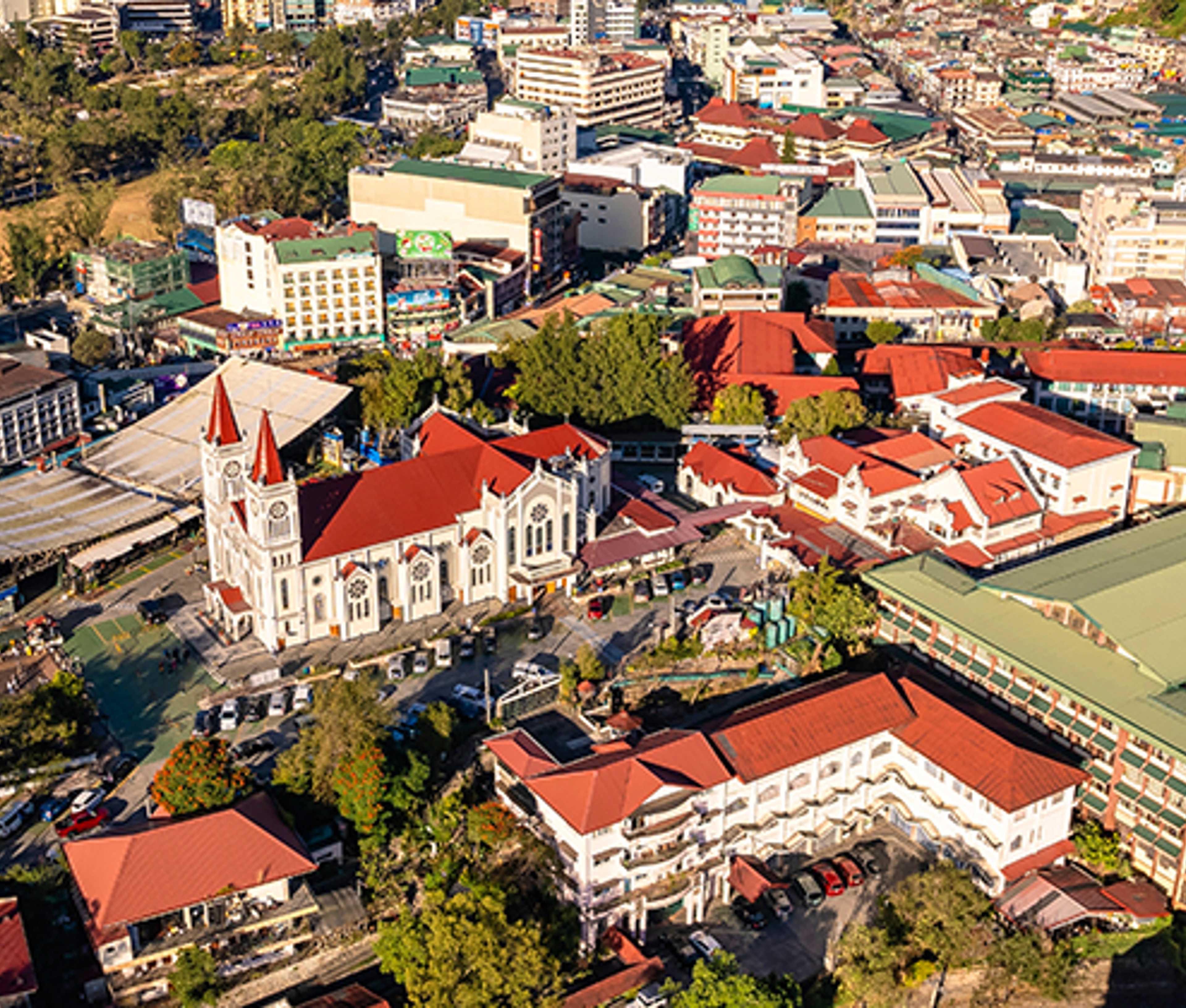
- The church of the town, which is in St. Aloysius Gonzaga, is of stonework in the colonial style.
- There are also vendors in the streets selling fresh foods and this provides them a taste of local flavour.
- The structure of the town is such that it retains the old Filipino street designs which gives it the rural touch.
- The local tourism office usually organises interactive tours of the heritage sites in the town.

Agricultural Fields
- Cruise through curving roads that pass through vast paddy fields and golden cornfields.
- Watch how farmers work, sturdyly working on the crops to support the economic activity of the region.
- The sky is reflected on the fields providing an idyllic landscape that is almost otherworldly.
- Fields have seasonal festivals, and these festivals commemorate the agrarian origins of the community.
- Tour guides elaborate on the irrigation methods that make the fields remain green during dry seasons.
- A fresh earth smell and the plants growing in the surroundings are the things that can be smelled, which reminds people of what the land offers.

Jabonga Coastal Area
- See the small coast strip between Mindanao Sea and watersheds of the lake.
- Spectacular fishing boats play on the shallow waters as locals transport fresh fish to markets.
- Shoreline offers a peaceful retreat with the chaos of the town centre.
- The villages that are located along the seashores have simple cottages and local restaurants that serve sea foods.
- Sea breezes come with a cool breeze particularly pleasant in the midday heat.
- Children usually play on the sand building sandcastles and the adults take pleasure in the relaxing sound of waves for holidays to Jabonga.
Reason 05
Discover More

Local Market (Public Market)
- The market stalls are busy with fresh fish in the lake and sea, which are ready to be cooked on a moment.
- Sellers have a variety of farm harvests, such as sweet corn, ripe mangoes, and aromatic rice.
- The design of the market is open-air that enables the soft sea breeze to dance with food aromas.
- Interactive cooking shows also educate the visitors on how to cook traditional food in the local ingredients.
- Handicrafts are on sale by the craftsmen who reproduce the local indigenous history through their art.
- Tourists will be able to bargain, and they can trade with each other in a friendly manner, a typical feature of Filipino hospitality.

Ethnic Influence (Regional) Butuanon
- The Manobo and Mamanwa cultures have been incorporated into the local weaving and pottery.
- Community celebrations are usually supported by their traditional music which includes bamboo flutes and drums.
- Storytelling The myths concerning the origins of the lake are retold in sessions, maintaining the knowledge of ancestors.
- Native art is demonstrated by hand made shell and wood jewellery.
- Tourists are offered guided tours that show botanical specimens that are utilised by these groups.
- The amalgamation of Christian and tribal cultures is distinguished by seasonal festivals which are a source of a vibrant cultural tapestry.

Local Eateries
- Food stalls which are small offer real Mindanao food such as grilled tilapia which is covered with banana leaves.
- One of the special meals, the so-called Kinilaw, consists of fresh fish caught at the lake marinated with vinegar, onions, and chilli.
- Families usually sit to have their meals together in these restaurants thereby creating social networks between strangers.
- Dessert stands have rice cakes with local cacao, which is sweet and will make a warm ending to any meal.
- Preparation of the food is carried out on the basis of the usual recipes that have been passed down through generations.
- Most of the chefs receive tourists, with explanations of the origin of every dish and also give them a tasting sample.

Rolling Hills Interior
- Wind drive-thru streets to areas deep into the interior where remnants of forests cling to low hills.
- Cacao plantations are scattered on the hills and their sweet pods contribute to the agricultural variety of the region.
- Trails also include hiking trails providing sweeping views of the lake and the farmlands.
- The lower temperatures of the microclimate of the hills are a relief with the already hot lowlands.
- Local residents usually create small farms where medicinal herbs and spices are grown.
- The shadows cast by the sunset in the hills are such that they make the landscape dramatic.
Reason 06
Culture Traditions

- In the day-to-day communication, Cebuano and Visayan dialects are predominant; they are a result of migration patterns and cultural exchange in the past.
- Sustainable farming and fishing are the basis of the community livelihood and should be used to show the strong appreciation of natural resources.
- Environmental stewardship is embedded into the everyday lifestyle, as local organisations oversee the health of lakes and engage in responsible fishing.
- The annual celebration of a rice harvest is one of the traditional festivals that incorporate religious worship with the community appreciation of how the land gave so much to them.
- Local weavers are still practising ancient weaving patterns, and their creation is a resonance of the colours and patterns characteristic of the region.
- Telling tales is a noble activity and the elders have been sharing the myths about the mythological origin of Lake Mainit with the young generations for holidays to Jabonga.
Reason 07
Food Fun Fashion

Food
- Lake and sea fish such as tilapia are fresh food items that are consumed daily, usually grilled or steamed with local herbs.
- The culinary tradition of the area in favour of raw and vinegary dishes, the mixture of freshness with spice is presented in the dish called Kinilaw.
- Rice is another staple that is used in virtually all the dishes, including simple steamed rice, and more exotic like the kare-kare that is prepared using coconut milk.
- Another local product, corn is taken as a snack and also used in stews, which are soothing.
- Depending on local fruits and coconuts, rice cakes and sweet items make a pleasant addition to a meal.
- The shared meal, whereby families eat together in big groups, symbolises the aspect of communalism among the people.

Fun
- A tranquil boat journey of Lake Mainit gives the traveller a chance to see the vast beauty of the lake and to ride a wooden canoe in a smooth motion.
- Exploring the rice paddies is a separate chance to find a new look at local farming with the chances of seeing farm animals and irrigation.
- Food experiences, including trying freshly caught lake fish with grilled skewers of coconuts offer a taste experience.
- A walk along the seaside allows the visitors to feel the tranquilly of the Mindanao Sea as the waves of the sea beat on their feet.
- Looking at the sky at night over the rolling hills, one would see an unpolluted sky without the lights of the city, and this would give a quiet contact with the cosmos.
- A local festival, with music, dance, and colourful costumes, gives one a memorable cultural experience.

Fashion
- Light and breathable materials like cotton and linen are needed in areas where the heat is tropical.
- The casual dress code such as loose fit shirts and comfortable shorts are both appropriate on the town streets as well as the farm fields.
- It is suggested that a robust pair of walking shoes would be needed in areas that are uneven like the shorelines in the lake and in hilly areas.
- Light jacket or shawl comes in handy on a chillier morning on the lake or in the evening of the seaside.
- The use of traditional accessories like woven headbands can be borrowed during cultural festivals in order to celebrate the local culture.
- The sun protection, hats, sunglasses, and SPF lotion are essential to protect the skin during outdoor activities.
Reason 08
Nature Safari

- The fresh water ecosystem of Lake Mainit supports numerous endemic fish, birds and plants that prospire in the brackish waters of the lake.
- The coastal areas where the lake intersects the sea form a special mixture of marine and freshwater ecosystems, which provide a range of wildlife.
- The local people are clever because the lake is surrounded by fertile plains where intensive rice cultivation can be practised.
- The interior has rolling hills that would allow remnants of the forests and would support the native mammals and birds, adding to the biodiversity.
- The migratory species can be spotted by the birdwatchers who visit the wetlands of the lake as a key stopover in their long term journeys.
- Eco-treks are guided tours that enable the viewers to witness ecological interactions without violating conservation rules.
Reason 09
Events Fiestas

- On October the Jabonga Town Fiesta, is celebrated in honour of St. Aloysius Gonzaga, with processions, street dancing and community feasts.
- The Lake Mainit Festival is a festival that unites different local fishermen and farmers in the celebration of the abundance of the lake, boat races, and food booths display fresh catches.
- The rice-and-corn planting activities are also celebrated in seasonal planting festivals where visitors get to observe the traditional agrarian rituals.
- There is strong belief in the community as religious processions such as the Vigil of St. Aloysius show townsfolk that dawn to be together in prayer and blessings for holidays to Jabonga.
- During festivals, cultural activities use indigenous music and dance as a part of the living museum of local culture.
- Festivals feature community markets that allow one to buy handmade crafts, farm produce, and local delicacies and benefit local artisans.