

DiscoverBaguio
Discover the natural beauty, culture and heritage of Baguio.
Book Now Pay Later











Loading traveller reviews…
Join Our Newsletter
Get tailored flight deals, travel tips & inspiration straight to your inbox.
ExperienceBaguio Holidaysin 2026/2027
Baguio is a beautiful Philippines city located on Luzon Island, closer to Manila. The lush greeneries and hillsides teeming with pine trees with the cold temperature is the main reason why Baguio is also known as the "City of Pines". Aside from the scenery and chilly weather, you can also explore the cultural and historical attractions.
HandpickedBaguio HolidayDeals
Complete holiday packages with flights, hotels and experiences in Baguio.
Stays AcrossBaguio
From luxury beachfront resorts to city hotels and budget stays.
UnforgettableExperiencesin Baguio
Search and book amazing activities and tours across Baguio.
Top 10 Reasons to Visit Baguio
Reason 01
A Sneak Peak into Baguio

- The Philippines is known for its sunny beaches and tropical islands, but its cool, pine-covered mountains are another side of this diverse country that you should see. Baguio City is a mountainous retreat located north of Manila.It’s known for its cool weather, beautiful parks, artistic culture, and historic sites.
- With its pine forests and rolling hills, Baguio City is a nice change from the country’s beach holidays. Many tours of the city let guests experience its natural beauty and friendly people.
- The city of Baguio is in the province of Benguet in the northern part of Luzon. It is frequently referred to as the Summer Capital of the Philippines. Because it is so high up, it stays cool all year, which makes it a popular place for both short trips and longer holidays.
- Every type of traveller can find something they enjoy in this city. There are peaceful places like Burnham Park and botanical parks, as well as cultural ones like Tam-Awan Village and the BenCab Museum. You can also book Baguio City tour packages that include transportation, guided tours, and carefully planned routes that will help you get the most out of your trip.
- When should you go, how should you get there, what should you see and do, where should you eat, and how should you enjoy this highland city to the fullest? This trip guide has it all.
- Capital: Manila
- International airport: Ninoy Aquino International Airport (MNL)
- Currency: Philippine peso (PHP)
- Time: UTC+8
- Driving side: Right-hand side of the road.
- Main electricity: 220V/60Hz
- Official languages: Filipino and English. English is widely spoken and understood in Baguio, particularly in tourist areas.
- Religion: Predominantly Roman Catholic, but there are also other Christian denominations and minority religions represented in the city.
Reason 02
Highlights

- The Summer Capital of the Philippines, Baguio City, in Benguet province, offers cool mountain weather year-round, lush pine woods, and breathtaking views, making it a great retreat from the tropical heat of the lowlands.
- The Stobosa Artists’ Village, Tam-Awan Village, and BenCab Museum are notable arts and crafts destinations inside this UNESCO Creative City.
- Burnham Park, Camp John Hay, Mines View Park, and the Baguio Night Market are must-sees on foot or with a guide.
- December to May is the finest time to visit Baguio City for dry, crisp weather, especially during Christmas and the Panagbenga Festival in February.
- Baguio City is a 4–6-hour drive from Manila or Pampanga. Buses, cars, and round-trip Baguio City tours are available.
- Guide to the Philippines offers curated itineraries, guided tours, and optional side trips to nearby destinations like Sagada, Atok, and Buscalan, home to traditional tattoo artist Apo Whang-Od, for easy sightseeing in Baguio City.
Reason 03
Seasons to Travel

- Given weather dynamics, Baguio City is best visited in the dry season, especially February and April. The Panagbenga Festival, one of the city’s biggest events, makes February popular. Tourists enjoy cool weather for trekking, sightseeing, and strolling around Baguio’s lovely streets in these months.
- The months of March and April offer lovely weather without the traffic that comes with peak seasons.Visitors can enjoy the city’s tranquillity sans the crowds during these months due to shorter lines, nicer accommodations, and a more peaceful vibe.
- Due to strong rains and typhoons, the wet season (May–October) draws fewer visitors. If you don’t like rain, this is a good time to visit Baguio’s museums, cafes, and calmer streets. The monsoon feeds the mountains, creating lush greenery and blossoming flowers.
- Planning a trip in November and December after the rainy season may help you escape heavy rains. As the temperature cools, the city prepares for its December festivals, combining fine weather and colourful local culture.
Reason 04
Worth A Visit

Burnham Park
- One of the most famous and well-liked places in the country’s Summer Capital is Burnham Park, which is right in the middle of Baguio City. This beautiful urban park is named after the American architect Daniel Burnham, who planned the layout of the city. It is a place for relaxation, outdoor sports, and fun for the whole family.
- Burnham Park is a peaceful place to relax with gardens, walking tracks, and pine trees all around. It is also close enough to walk to Baguio City’s busy shopping areas. It is often part of trips to Baguio City, so anyone who wants to see the city should go there.
- Hosts a variety of events for visitors of all ages. Many people enjoy boating on Burnham Lake. They can take rowboats or swan boats and paddle across the beautiful artificial lagoon.
- The park has open picnic areas, jogging tracks, and bike rentals for people who would rather stay on land. It’s a great place for morning walks or a relaxing afternoon.
- Near the door, the Rose Garden has lovely flower beds that make it a popular place to take pictures.
- The Children’s Playground is fun for families with kids, and people who like to try new things can rent go-karts or skateboards.
- People from Baguio sell snacks, treats, and gifts at the park, which is also famous for its busy local vendors.

The Mansion
- The President of the Philippines resides in the Mansion during the summer months.
- It was constructed prior to the establishment of the city to accommodate the governor generals during the American occupation. Engineer Daniel Burnham conceived the design. Burnham also devised designs for the cities of Manila and Baguio.
- However, it was built under the supervision of architect William E. Parsons and Governor General William Cameron Forbes. Forbes dubbed his house "Mansion House," after his family's New England holiday cabin, because he loved Baguio so much.
- The building was finished in 1908, and it was named a National Historic Landmark in 2009.
- The Mansion is on C.P. Romulo Drive, east of Baguio City, right next to Wright Park.
- For those taking the bus, you can get to this cultural site by getting on a jeepney at Lower Mabini Street and riding it to Baguio Plaza Minas View Park.

Mines View Park
- Baguio's Mines View Park attracts tourists. Many shops sell refreshments, souvenirs, plants, and more. Traditional Igorot dress, horses, dogs, and other native creatures can be photographed in the park's lower section.The park overlooks mountains, woodlands, and Itogon's abandoned mines.
- The viewing deck at Mines View Park has become a popular spot for capturing Baguio’s breathtaking scenery. This part of the park also has an open hut with chairs that people can use for shade and a place to rest.
- The Mines View Park is a few kilometres from the centre of Baguio. It is at a high elevation, so from its deck, people can see the mines and the Amburayan Valley. You can get here by taking a jeepney from the station on Lower Mabini Street that is going to Mines View Park.
- It’s a place to come any time of the year, but the best times are during the summer and holidays. Keep in mind that it may get busy with families during the busiest times. A fun fact about Baguio City is that it stays cool all year because it is 1,470 meters above sea level. This is why it is known as the summer capital of the Philippines.

Tam-Awan Village
- Tam-awan Village in Baguio City is a unique cultural site that shows Cordilleran living. The restored Indigenous hamlet of Tam-awan features Ifugao and Kalinga cottages, art galleries, and cultural workshops, making it a must-see for history, art, and culture buffs.
- In the verdant slopes of Baguio, the village offers a calm escape from the city to discover Indigenous craftsmanship, local traditions, and the bustling art scene. Many Baguio City trips include Tam-awan Village to emphasise its Cordilleran heritage.
- Tam-awan Village welcomes travellers with traditional Ifugao and Kalinga huts painstakingly reconstructed to maintain Indigenous architecture. Artists from Baguio and the Cordillera region showcase their work in galleries, craft shops, and outdoor exhibitions.
- Cultural programs like wood carving, painting, and traditional weaving offer an immersive learning experience about Igorot heritage.
- Hiking trails in the village lead to picturesque and quiet views of Baguio’s mountains. The blend of art, history, and nature makes Tam-awan Village one of Baguio City’s most unique attractions.
Reason 05
Discover More

BenCab Museum
- National Artist Benedicto Cabrera opened a museum near Km. 6 Asin Road, 15 minutes outside the city, in 2009 to promote his love of Cordilleran art.
- BenCab museum displays his work, as well as established and emerging Filipino artists and Ifugao sculptures and art he’s maintained from prior years.
- Other attractions in the museum’s backyard include a farm, garden, mini-forest, and aviary with peacocks, ducks, geese, turkeys, and other livestock.
- BenCab's affordable general admission will improve guests with paintings and sketches by established and new artists.
- The BenCab gallery shows his work, the Philippine Contemporary Art Gallery shows new artists, the Cordillera Gallery shows indigenous arts and crafts, and the Erotica Gallery shows sexual intimacy. These are just a few of the galleries on the four floors.
- People can look at each item and take a break in Cafe Sabel on the first floor.

Mount Pulag National Park
- Mt. Pulag National Park runs north and south along the Grand Cordillera Central from Pasaleng, Ilocos Norte, to the Cordillera Provinces. It is administered by Cordillera Administrative Region (CAR) and Cagayan Valley (R2).
- Each park features rugged mountain slopes and rolling Philippine Cordillera Mountain Range summits. At 2,922 m, Mt. Pulag National Park is Luzon and the Philippines' second-highest summit.
- Grasses and dwarf bamboo cover Mt. Pulag’s peak. Low-elevation mountainside forests are fog-covered and rich in ferns, lichens, and moss. Pine forests grow on desolate, stony hillsides below. Falls, rivers, and small lakes dot the area.
- Mountain-endemic plants and animals abound throughout the Park. Threatened mammals include Philippine Brown Deer, Northern Luzon Giant Cloud Rat, and Luzon Pygmy Fruit Bat.The pitcher plant and many orchid species, some of which may be indigenous to Mt. Pulag, are also found.
- Many stakeholders depend on Mt. Pulag for irrigation, hydroelectric generation, aquaculture, and residential and industrial water.

Baguio Cathedral
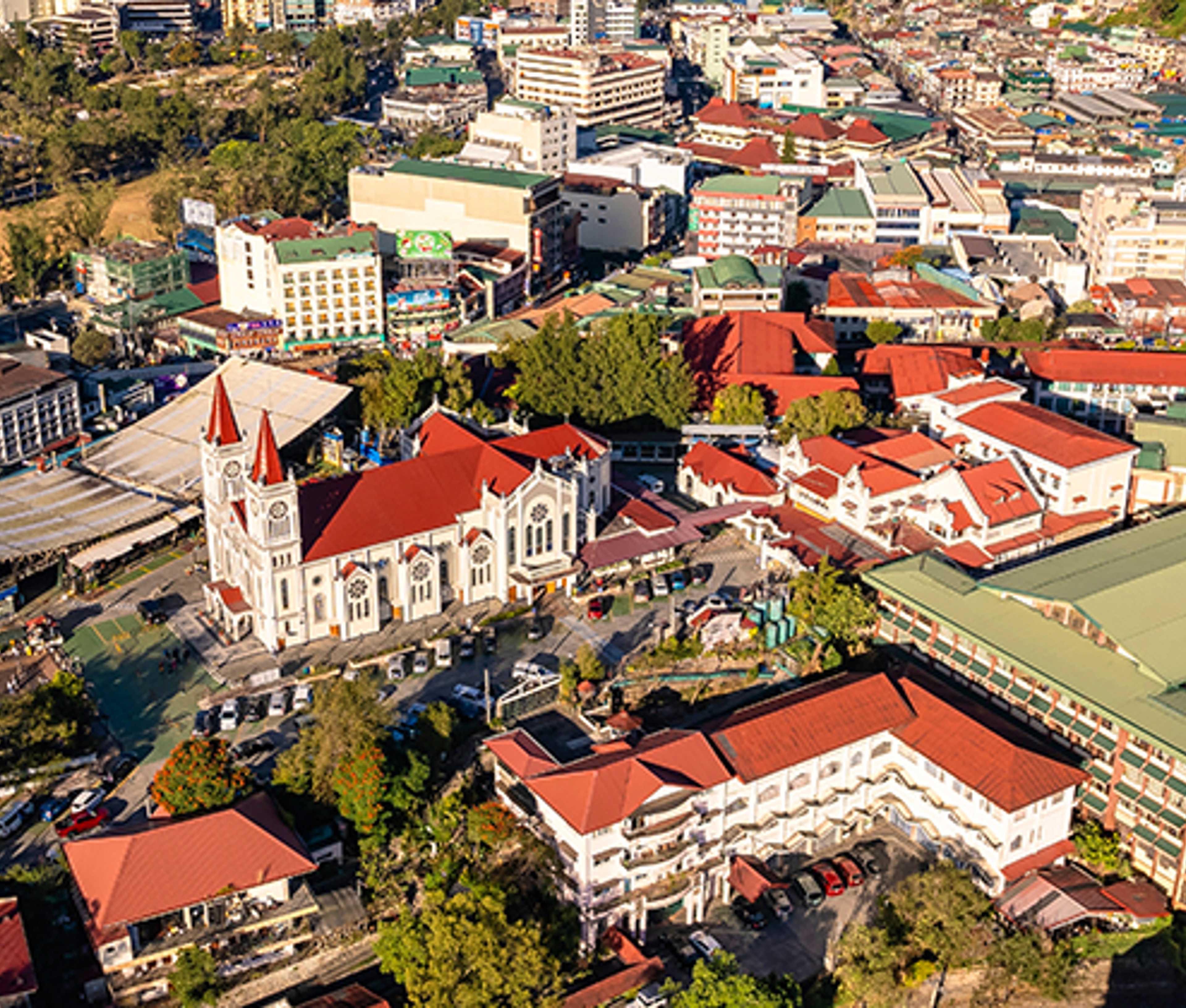
- Our Lady of Atonement Metropolitan Cathedral, known as the Baguio Cathedral, lies on a hill above the city and is known for its twin spires and rose-colored paint.
- The largest church in Baguio can be reached via a 100-step stone staircase or via access roads behind the Baguio Post Office.
- Native Ibalois called the hill it lies on “Kampo” before its building. Fr. Florimund Carlu dubbed it Mount Mary after Belgian missionaries arrived, who ordered the Cathedral’s construction in 1920.
- 25 Igorot carpenters and six Congregatio Immaculate Cordis Mariae (CICM) priests and brothers built the church, which was consecrated in 1936 and dedicated to the world’s first Our Lady of Atonement.
- Its rose-pink colour and twin belfries resembling Malaysia’s Petronas Twin Towers make the Cathedral stand out. Catholic churches have pyramidal roofs, stained-glass rosette windows, and elaborate ornamentation.
- A wide courtyard with a deck overlooks Session Road and the city centre.
Reason 06
Culture Traditions

- Baguio City, which is sometimes called the Summer Capital of the Philippines, is a lively centre of arts and culture among the cool, pine-scented mountains of the Cordillera area.
- This charming city has a rich history and diverse art. It has a distinct mix of old and new things to do.
- Every part of Baguio has a tale to tell. This encompasses the Baguio Cathedral's exquisite architecture and the Valley of Colours' vivid murals.
- The city’s artistic essence is clear whether you’re walking through the peaceful walks of Tam-awan Village or looking at the great works of art at the BenCab Museum.
- As you tour Baguio, you’ll find a great mix of famous sights and lesser-known ones that show off the area’s cultural past.
- The Igorot Stone Kingdom and the Ifugao Woodcarvers’ Village show off the rich traditions of the native people.
- The Baguio Night Market offers an enjoyable experience for sampling local cuisine and merchandise. Baguio is a great place for art and culture lovers because there is so much to see and do.
- So get your luggage ready and get ready to dive into the creative core of this beautiful city!
Reason 07
Food Fun Fashion

Food
- The “Summer Capital of the Philippines,” Baguio, features a temperate climate, stunning mountain views, and a rich history. However, its diverse ethnicities and the presence of Cordillera indigenous people have formed its culinary scene, one of its most enticing qualities.
- Strawberry Sinigang, a fun Filipino sour soup, employs Baguio’s most famous fruit for sweetness and acidity. This meal commemorates the region’s plentiful strawberry fields with tamarind, tomatoes, and pork or prawns. Local chefs use unexpected ingredients in conventional dishes to create a pleasing contrast of flavours.
- Cordillera binungor is made by Kalinga farmers. Water shells, bamboo shoots, indigenous mushrooms, langka (jackfruit), and chilli pepper are stir-fried. This pork-fat dish features loads of onions, garlic, and tomatoes.
- Cordillera natives serve pinikpikan in rites. A live chicken is thrashed with a stick before cooking to increase flavour. Modern Pinikpikan in Baguio uses organic chicken and gently recognises its growth and development.
- The Cordilleran morning dish, pinuneg, Filipino blood sausage, employs all animal parts. Pigs’ intestinal casings contain blood, innards, and rice. Locals and experimental diners like these well-fried, savoury, iron-rich snacks.
- Kimiing and Etag are traditional pork smoking processes. Baguio’s modest restaurants, busy marketplaces, and streets offer these. Kinig and Etag, which have a smoky taste, are often served as mains or added to popular recipes.
- Like biko, kiniwar is sticky rice cooked with coconut milk, sugar, and spices. Charred coconut husks give it a smoky taste, unlike other rice cakes. Kiniwar is offered at Baguio events and restaurants.
- A culinary trip ends with Baguio’s Strawberry Shortcake. This strawberry-layered confection symbolises Baguio’s love of sweets and the Strawberry Festival that draws crowds every March.

Fun
- For travellers who like thrills, Baguio is full of exciting things to do for people of all ages.
- There’s something for everyone, from families looking for fun to couples looking for a quick getaway.
- Tree Top journey is the place to start your journey. There, you can zip line through the beautiful pine trees.
- As you fly above the forest, you’ll feel a rush and be blown away by the beautiful views. Do this if you’re travelling with kids at all costs. It’s more than just an activity; it’s an event that will make everyone very happy!
- At Wright Park, horseback riding is another great way to enjoy the outdoors.
- You can get on a horse here and ride through the green surroundings. You can get in touch with nature and enjoy the cool air of Baguio at the same time. Plus, it’s a fun thing to do with friends, family, or partners!
- Please don’t miss these exciting events and more! For a complete plan full of fun things to do, read our guide on How to Spend Three Days in Baguio.

Fashion
- When you go to Baguio, you have to do some shopping. The city is known for its markets, where you can find one-of-a-kind gifts and souvenirs.
- You have to go to the Baguio Public Market, which has everything from fresh food to handcrafted items.
- You can find fresh fruit, local specialities, and even traditional crafts that make great gifts or keepsakes from your trip here.
- If you want to find something unique, don’t miss the ukay-ukay thrift shops that are spread out across the city.
- There is old clothing, weird accessories, and one-of-a-kind items that you won’t find anywhere else in these thrift shops. It’s a fun way to shop and help small businesses.
Reason 08
Nature Safari

- Nature lovers, be happy! With its beautiful parks and natural scenery, Baguio is a great place for people who love being outside.
- Many people enjoy visiting Burnham Park, where they can rent boats to paddle around the lake or take a stroll through the beautiful gardens.
- You can have lunch there, go on a family trip, or relax and enjoy the fresh mountain air.
- The Baguio Botanical Garden is another hidden gem. It’s a peaceful place to learn about different kinds of plants.
- The famous Igorot figures honour the native culture of the area, so don’t forget to take some pictures with them.
- Hiking on the nearby trails with their stunning views of the mountains and rivers is a great way to get your heart rate up and enjoy the beauty of nature at the same time.
Reason 09
Events Fiestas

- The city of Baguio knows how to party! There are lots of fun events here that are a great way to learn about the culture and get involved with the community.
- The Panagbenga Festival, or Flower Festival, is a well renowned festival.
- This month-long celebration happens every February and shows off the city’s flower bounty with beautiful floats decorated with bright flowers, street dancing, and other activities that highlight Baguio’s rich history.
- The fun doesn’t end there, though! Many events showcasing Baguio’s unique culture take place throughout the year.
- There is always something fun going on in Baguio, from the Baguio Arts Festival to the Christmas celebrations.
- Both residents and visitors are invited to participate. These events are a must for anyone who wants to feel what Baguio is really like, whether they want to dance, eat, or enjoy the lively atmosphere.