

DiscoverInabanga
Discover the natural beauty, culture and heritage of Inabanga.
Book Now Pay Later











Loading traveller reviews…
Join Our Newsletter
Get tailored flight deals, travel tips & inspiration straight to your inbox.
HandpickedInabanga HolidayDeals
Complete holiday packages with flights, hotels and experiences in Inabanga.

Stays AcrossInabanga
From luxury beachfront resorts to city hotels and budget stays.
UnforgettableExperiencesin Inabanga
Search and book amazing activities and tours across Inabanga.
Top 10 Reasons to Visit Inabanga
Reason 01
A Sneak Peak into Inabanga

- Holidays to Inabanga, Bohol provide an entry point to a small seaside town with smooth waves lapping an unbroken sandy coast on the northwestern coast of Bohol.
- The historic nature of the town is imprinted in its paved streets, where the reverberation of the battle of Inabanga in 1744 still lingers in the historical landmarks which stand watch on the riverbank.
- The river is lined with a canopy of mangrove trees to form a waterway which welcomes the traveller to explore its waters and the silent pattern of nature.
- Every morning, rice paddies are shining in the upcoming sun and their green fields are rolling to the horizon like a living tapestry made of the hearts of local farmers.
- The smell of warm fresh-baked bread and stewing fish is spreading in the air, a tender suggestion that the culinary traditions of the town are not less diverse than its cultural fabric.
- Lanterns burn in the village square, even during the quiet hours, promising of the colourful fiestas which illuminate the night with music, dancing, and general celebration.
- Capital (of the province): Tagbilaran
- International airport: No international airport in Inabanga
- Nearest commonly used:
- Bohol–Panglao International Airport (Panglao Island) – domestic and international flights
- Currency: Philippine Peso (PHP)
- Time zone: UTC+8 (Philippine Standard Time)
- Driving side: Right-hand side
- Main electricity: 220 volts, 60 Hz
- Official / local languages: Cebuano, Boholano, Filipino, English
- Major religion: Predominantly Roman Catholic
Reason 02
Highlights

- It has the Inabanga River, a narrow strip of crystal-clear waters, which is woven with mangrove forests, and provides picturesque sceneries more soothing than breathtaking.
- Battle Site Marker is a grave reminder of the fierce opposition that characterised the history of the town, containing plaques filled with the details of the heroic stand of the local defenders against the ways of the colonialists.
- Mangrove forests around the river are important fish and invertebrate nurseries that provide defence against erosion as well as supporting the local fishing sector.
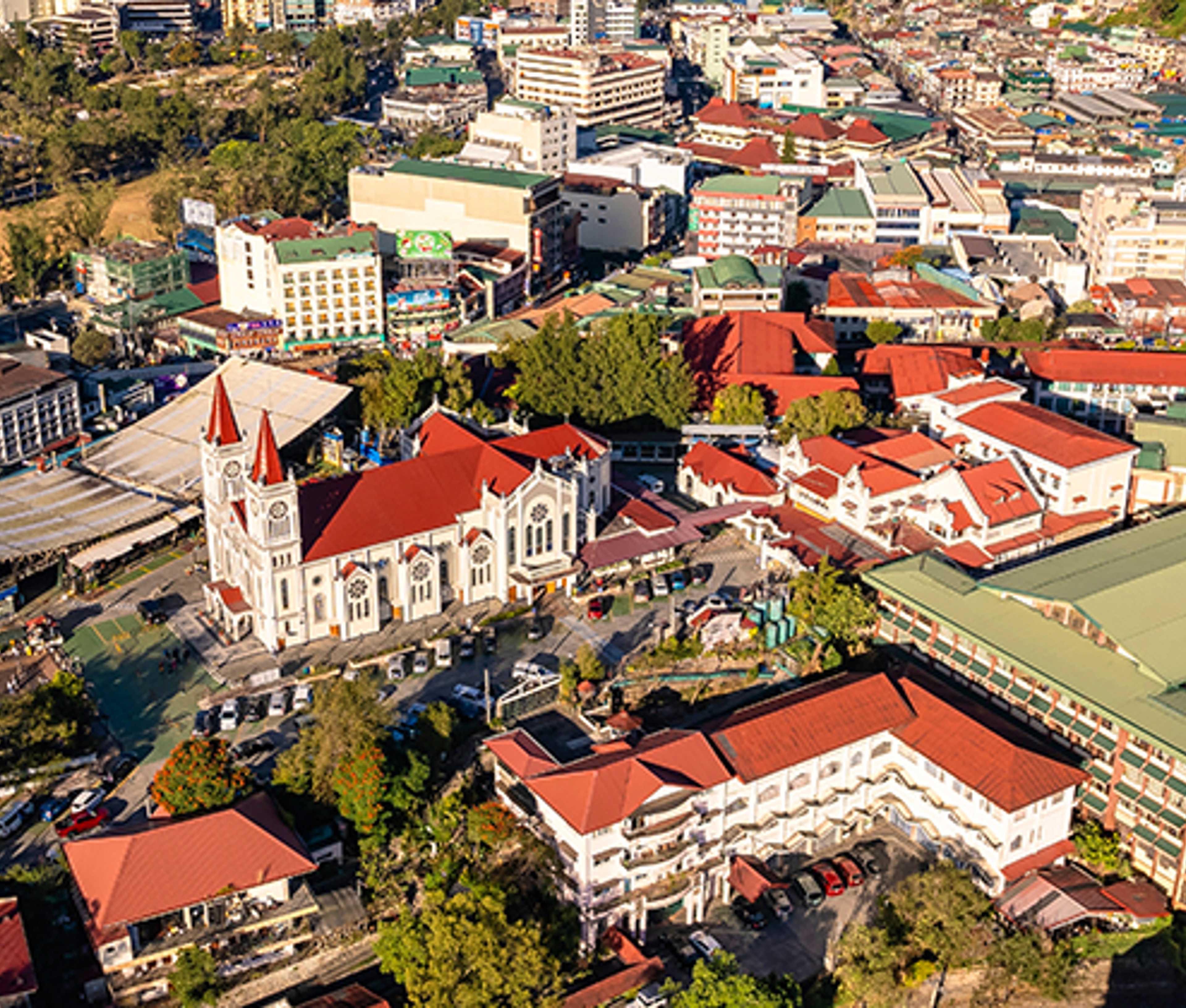
- The Inabanga Parish Church, which honours the apostle, St. Paul is known to be a building of colonial Spanish architecture whose bell tower resonates across the town streets over three hundred years.
- The town has an annual town day when the patron saint of the town is commemorated and it is a day of faith, tradition and a sense of belonging that has been transpired over generations.
- Various hand-made products including woven baskets, colourful fabrics, etc., in the local market stalls indicate the expertise of the artisans and the rich culture of the area.
Reason 03
Seasons to Travel

- Dry season, which is experienced between December and May, provides sun-kiss days that are perfect in taking river tours, walking the beach and exploring the historical landmarks of the town.
- March-May is the season of hot weather, and it is an ideal time to enjoy outdoor activities, like kayaking, fishing and rice paddy walks.
- Climate in the coastal areas is tropical throughout the year, yet the wet period, which is between July and October, is full of green vegetation, and the travel experience is less noisy and more reflective.
- Sightseers are able to have cooler breezes along the riverbanks in the early morning or late evenings, and this makes the sunset delightful.
- Another season is the rainy, which also heightens the number of local festivities, as the villagers rejoice in the bounty of the land by playing music, dancing and feasting together.
- Despite the season, the strength and friendliness of the town never diminish, and its inhabitants open their arms and kind smiles to the guests.
Reason 04
Worth A Visit

Inabanga River
- The calm river waters offer a calming effect when the boats are on a trip as the visitor will be able to enjoy the mangrove canopy that surrounds the river.
- Mangrove roots that form natural corridors of wildlife on the banks of the river provide a rare opportunity to view the wildlife, including birds, crabs, and fish at close distance.
- Evening strolls on the banks of the rivers are accompanied by the still scene of the sky and water touching each other and creating a constantly changing canvas of colours.
- Local guides provide narrations of how the river has been used in the history of the town, and how the natural beauty is connected to cultural meaning.
- Individual fishing outposts along the river can enable the visitors to experience artisanal fishing that will tie them to the livehood of the community.
- In the hot seasons, the cool waters of the river offer an escape to the locals and tourists.

Battle Site Marker
- The marker is erected proudly within the historic centre of the town and it provides an informative look back at the 1744 clash that defined the area.
- Exhibitions and information boards tell the storey of the tactics and courage of the Dagohoy rebels, and make a visitor admire the spirit shown by the town.
- It is also in the close vicinity that educational tours are commonly given, in which school groups and history lovers can stroll on the same grounds as the battle was fought.
- The silent power of the site is also a reminder of how the experience of previous struggles can be taken into consideration in the development of the modern identity and community unity.
- There are guided tours of the marker that describe the local topography that influenced the battle and tied the topography with historical strategy.
- The minimal and strong design of the marker makes one think about the ways in which history shapes modern values and dreams during their holidays to Inabanga.

Mangrove Forests
- Large strips of mangroves run along the river banks forming a living wall that shelters the coastline that depicts the work of nature in environmental care.
- Various networks of boardwalks and boat tours welcome the visitor to wander through the thick foliage to find a secret world of crabs, fish and birds.
- The roots of the mangroves have elaborate designs that act as nurseries to numerous aquatic life; sustaining the local fishing and biodiversity.
- Eco-tourism guided tours offer information on conservation of mangroves, which gives the visitors the opportunity to contribute towards conservation.
- Mangroves are meditated, photographed, and the play of light and water is captured by its peaceful environment.
- The variations in the season of mangrove ecosystem demonstrate the fluctuating nature of the climate and plants, which adds to the knowledge of visitors regarding ecological cycles.

Inabanga Parish Church
- A combination of local craftsmanship and Spanish influence can be traced in the church, whose architecture is of a high vaulted ceiling with stained -glass windows.
- Internally, there are elaborate carvings and religious images of the storeys in the bible which provide spirituality to the believers and cultural enjoyment to the rest of the world.
- The tower of the church bell is an old landmark of the community, whose sound reverberates all over the town streets and makes one stop and think.
- Masses at the fiesta of the town annually generate a sense of unity of the town members and visitors in matters of faith.
- Art exhibitions and cultural performances are held on the grounds of the church and can be called a place where faith and culture intertwine.
- The adjoining shrine is close by and allows visitors to take some time out and find solace, contemplate or enjoy the calm atmosphere of the town.
Reason 05
Discover More

Rice Paddies
- The green fields with rice, reflecting in the sun, make an enormous pavement of green leading to the horizon as the agricultural heart of the town.
- The visitors could take a bicycle ride or walk around the paddies and feel the rhythm of the life of farmers and the slight sounds of water and wind.
- The cycles of planting and harvesting rice enable the travellers to observe how the rice seeds turn to be full grains.
- Local guides demonstrate how people used to practise irrigation, which provides knowledge on sustainable farming that has sustained over the ages.
- Paddies are reflective surfaces that offer picturesque photography scenes of Bohol to depict the rural nature of the area.
- Sometimes, farmers welcome tourists to harvest celebrations, which give them a practical experience of the cultural heritage of the region.

Coastal Fishing Village
- The fishing village is also a bustling place where the nets are pulled in, the freshly caught fish are on display, and fishermen tell storeys about the sea.
- The harbour is filled with colourful boats, each with its storey, which reveals the strong attachment of the community to the waters which help them earn their livelihood.
- The visitors will be able to see the old methods of fishing and know more about the species used in the town and the role they play in their food.
- The market stalls in the village create food centres where fresh fish, shellfish and other seafood foods are cooked in the traditional and delicious dishes.
- Lanterns illuminate the harbour in the evenings which sets a friendly milieu that welcomes tourists to stay longer and experience the local atmosphere.
- The fish festivals in the villages are celebratory of the bounty of the sea and are accompanied by music, dancing, and community feasts which demonstrate the rich culture of the village.

Dagohoy Historical House
- The house, which is a museum, gives a close up view of the life of the local leaders who struggled to achieve freedom during the Dagohoy rebellion.
- Architecture, fusion of Spanish colonial and native, is a storey of struggle and multi-ethnic encounter.
- Artefacts, letters, and photographs are exhibited in the interior of the building to follow the history of the development of the town as a tiny settlement to a proud community.
- Tours offer an insight into how the house was used as a rendezvous of strategists, which creates a unifying movement against colonial oppression.
- Or they can engage in recreations of the most important events and get a clear idea of the historical trends and the valour of townspeople.
- History and nature The museum is situated close to the river, which provides a beautiful background and unites history with the nature, which formed the fate of the town.

Inabanga Artisans Market
- The marketplace is a mural (in form of a tapestry) of hand-made products and it includes woven baskets, embroidered fabrics to carved wooden figurines.
- Artisans showcase natural methods giving the visitor an idea of skill and patience that goes into making each object.
- The open-air environment of the market welcomes tourists to blend with residents and get to know their skills and cultural themes which shape the designs.
- The changing creativity of the community is manifested in new art forms with seasonal festivals, including beadwork or pottery.
- Customers have the opportunity to bargain over prices, creating the sense of a joint trade and appreciation of different cultures that is not only limited to purchases.
- The colourful stalls of the market are a living gallery, with every art object having a distinctive tale on the people and values of Inabanga.
Reason 06
Culture Traditions

- It speaks the local dialect which is a Cebuano-based language, but serves it with affection and it adds a touch of warmth to daily interactions.
- Roman Catholicism is still one of its pillars, as it dictates the festivities, practises, and the code of ethics in the society.
- The town is a hospitality-filled one, and guests are often given home-cooked meals and a big smile during their holidays to Inabanga.
- Folk dances - done during fiestas, folk dances tell storeys of faith, love and group struggle.
- The prayers made jointly before dawn and after dusk, strengthen a feeling of community and direction.
- Elders transmit the generational knowledge and the customs are preserved to form the identity and social structure of the town.
Reason 07
Food Fun Fashion

Food
- Local spices and fermented fish sauces go well with Fresh river fish, which is cooked to perfection.
- Rice based dishes, e.g. adobo and sinigang reflect the agricultural wealth of the town and the simple, coarse tastes.
- A sweet contrast is provided by sticky rice cakes or locally referred to as: kakanin, which are usually served during festivals and family get-togethers.
- Seafood stews cooked in coconut milk add tropical flavours to the table, due to the large marine life found in the area.
- Local banana bread is baked on small ovens, which provides a warm smell to people and makes the banana bread enjoyable to locals and other travellers.
- Fresh local foods such as sweet corn and papaya bring fresh and crispy sides to any meal.

Fun
- Shadowing boat trips along Inabanga River allow tourists to sail through mangrove roots and observe exotic birds and some playful crabs.
- Ragas are a typical type of transportation that can be enjoyed by riding horse-drawn rickshaw, which is a nostalgic experience to discover the narrow streets of the town.
- Fishing competitions (dry season only) are traditional fishing events, also a test of bravery and friendship and are attended by large numbers of people and with great humour.
- Night markets, full of lantern light, have street food vendors in which the customers taste grilled squid, lumpia, and kakanin.
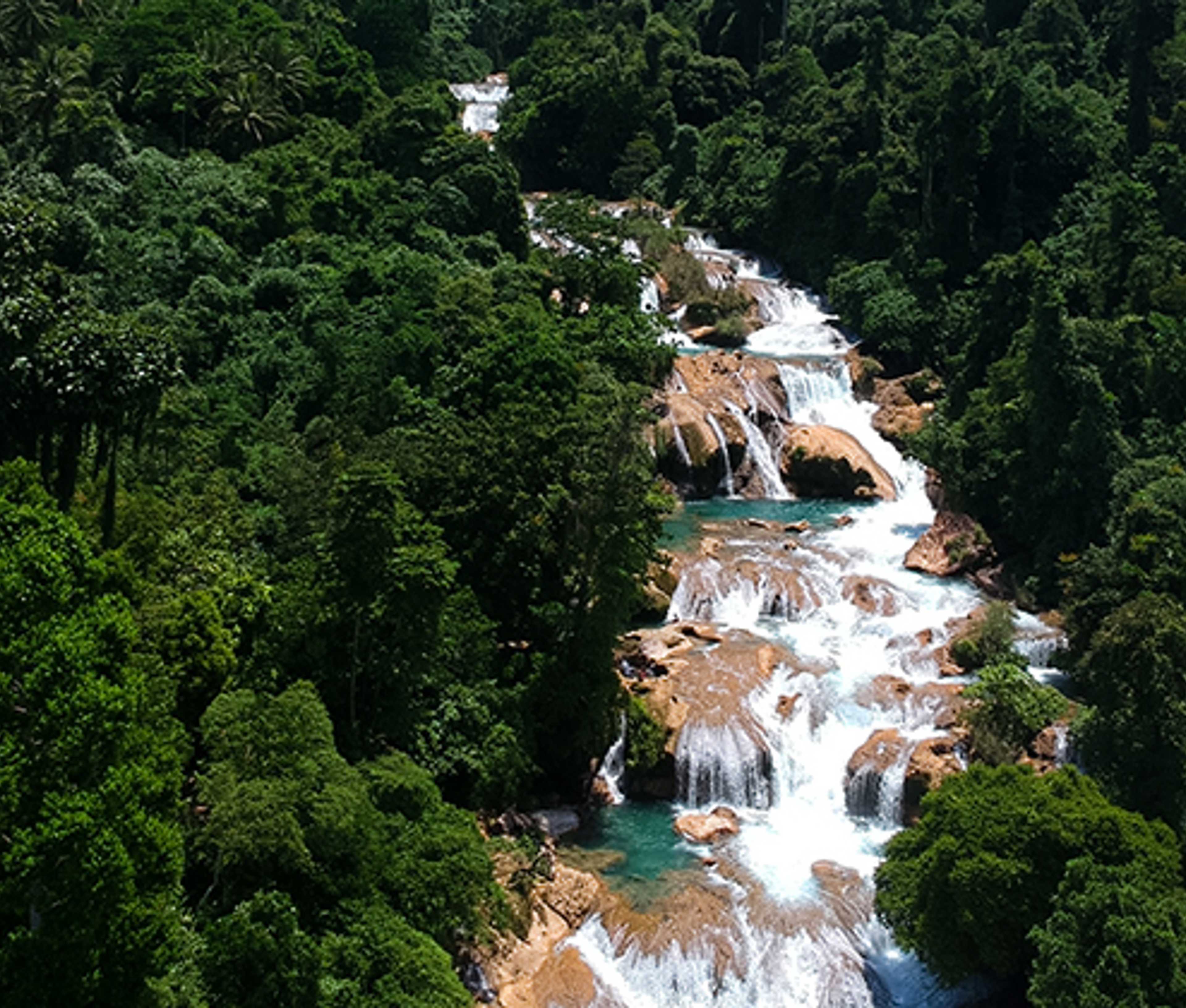
- Small trekking across rice fields will show some unknown waterfalls and pools, which can be used to have picnics and family tours.
- Music, dancing, fireworks are some of the activities that take place during community festivals so that your memories can be memorable.

Fashion
- Loose dresses like cotton sundresses and loose shirts are the best clothing appropriate to the warm, coastal climate.
- Broad-brimmed hats and UV sun protection glasses are used to cover the skin against the tropical sun when engaging in outdoor activities.
- Walking on muddy riverbanks and uneven rice fields are advised to be provided with comfortable sandals with good grip.
- During festivals and formal parties, traditional clothing, such as the men's barong or embroidered terno of women is put on.
- Natural, plain fabrics in natural colours are in harmony with the rest of the landscapes and culture.
- Clothes are frequently made with local themes, including waves, rice stalks, and river fish, and its maritime history.
Reason 08
Nature Safari

- The ecosystem of the Inabanga river is dependent on the interplay of the mangrove roots with the freshwater current that sustain various marine organisms.
- The thick and aromatic mangrove forests are natural defences along the shoreline, which philtres pollutants and offer fish breeding areas.
- Migratory swallows and colourful kingfishers are some of the birds that make migrations seasonally and are pleasing to nature lovers.
- The rice paddies of the town change with the seasons and become shining emerald seas seeking photographers and botanists.
- Secluded spots of relaxation and silent wildlife viewing are hidden lagoons, which are behind groups of trees.
- Holidays to Inabanga Eco-guides offer tourists educational tours which showcase the conservation practises and create a respect towards the local environment.
Reason 09
Events Fiestas

- The holidays to Inabanga town fiesta on January $25$th celebrates St. Paul the Apostle; it involves processions, fireworks and community feasts that unite the entire community.
- The town is religious as the processions held every night are accompanied by chants, incense and symbolic offerings.
- Bohemian performances show dance companies, performing tinikling and pandanggo, the rhythms of Boholano and their agility.
- The yearly fishing spree is an event that is organised in the dry season and presents local fishermen with each other in a friendly competition, which is followed by a celebration banquet.
- Local bands in the market square in the evening, performing kundiman and modern folk music are a popular spot with everyone present.
- Seasonal markets feature seasonal produce, homemade crafts, street foods and make the town a colourful centre of trade and culture.