

DiscoverJolo
Discover the natural beauty, culture and heritage of Jolo.
Book Now Pay Later










Loading traveller reviews…
Join Our Newsletter
Get tailored flight deals, travel tips & inspiration straight to your inbox.
ExperienceJolo Holidaysin 2026/2027
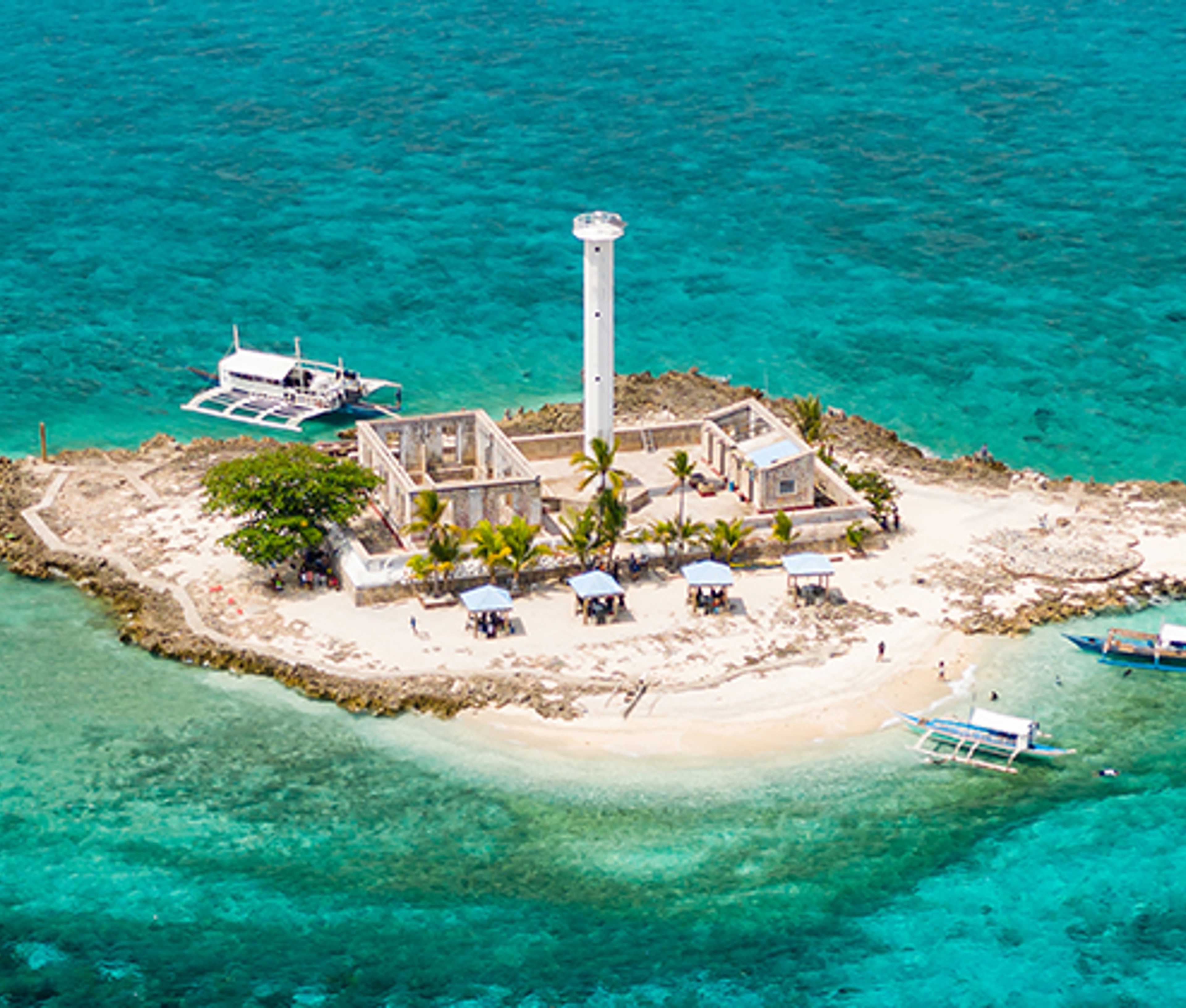
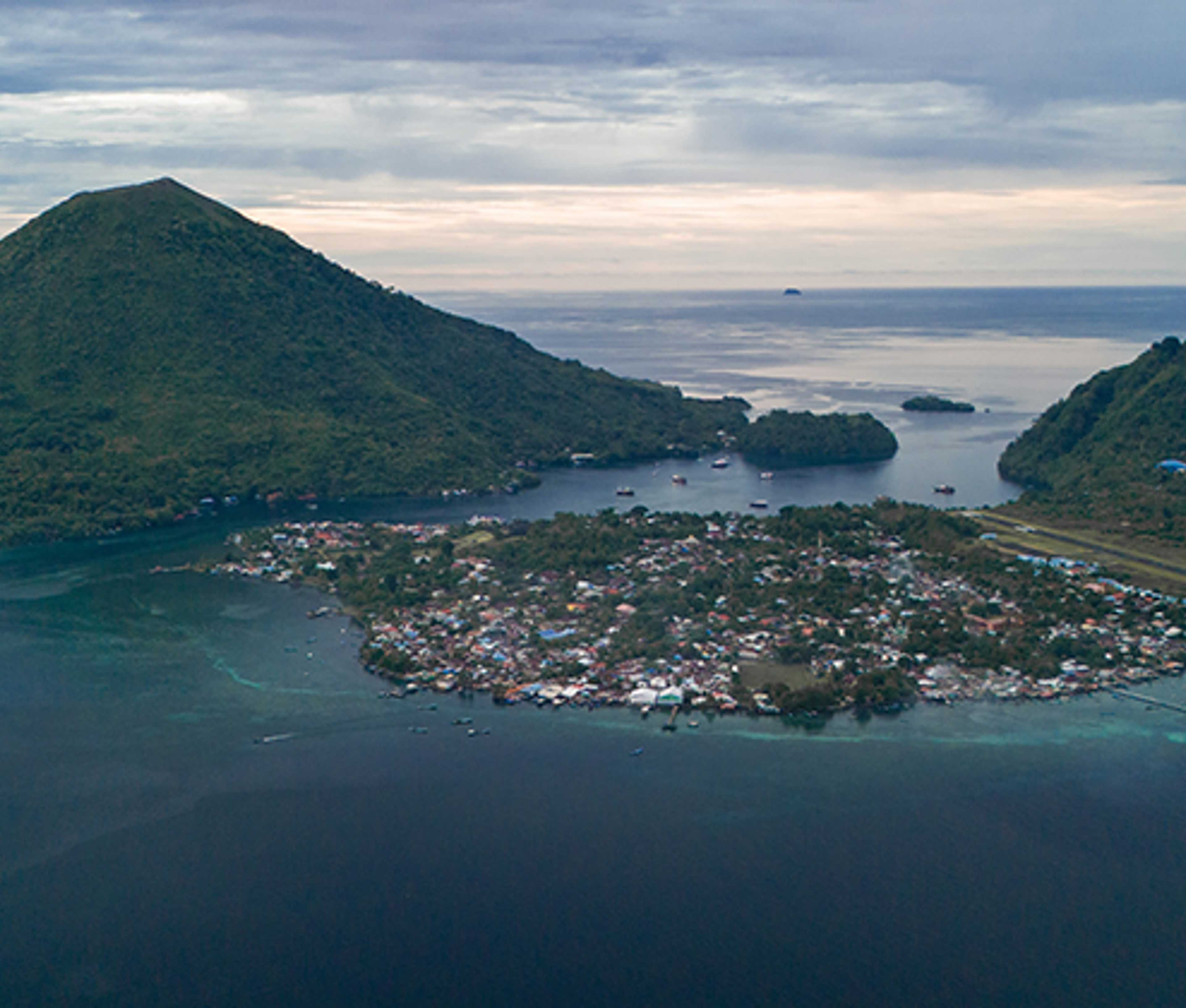
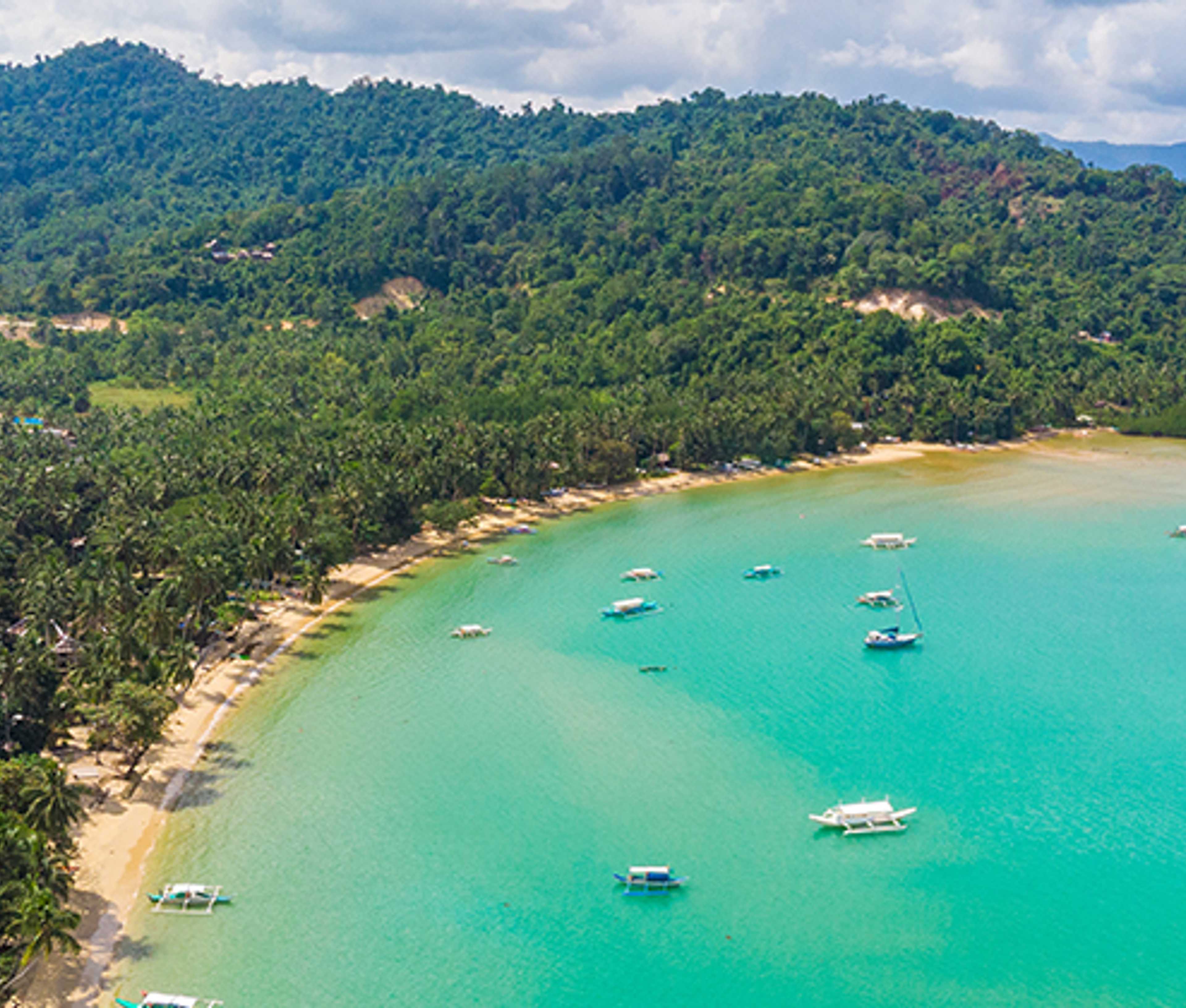
Jolo, an island and a town in the Sulu Archipelago with several extinct volcanoes and an economy bloomed by lush agricultural vegetation. If you are on a last-minute flight to the Philippines, these are the top 3 must-visit places on Jolo island you cannot miss out on.
HandpickedJolo HolidayDeals
Complete holiday packages with flights, hotels and experiences in Jolo.
Stays AcrossJolo
From luxury beachfront resorts to city hotels and budget stays.
UnforgettableExperiencesin Jolo
Search and book amazing activities and tours across Jolo.
Top 10 Reasons to Visit Jolo
Reason 01
A Sneak Peak into Jolo

- Holidays to Jolo is a unique and fascinating destination in the Philippines, offering visitors a chance to explore a part of the country that is off the beaten path.
- The island is home to diverse cultures and traditions, including the Tausug people, known for their colourful clothing, traditional music, and martial arts.
- Visitors can immerse themselves in local life by attending cultural events, exploring markets and handicraft shops, and trying the delicious cuisine, which features a variety of fresh seafood, spicy curries, and sweet desserts.
- For those who enjoy the outdoors, Jolo is a paradise waiting to be discovered.
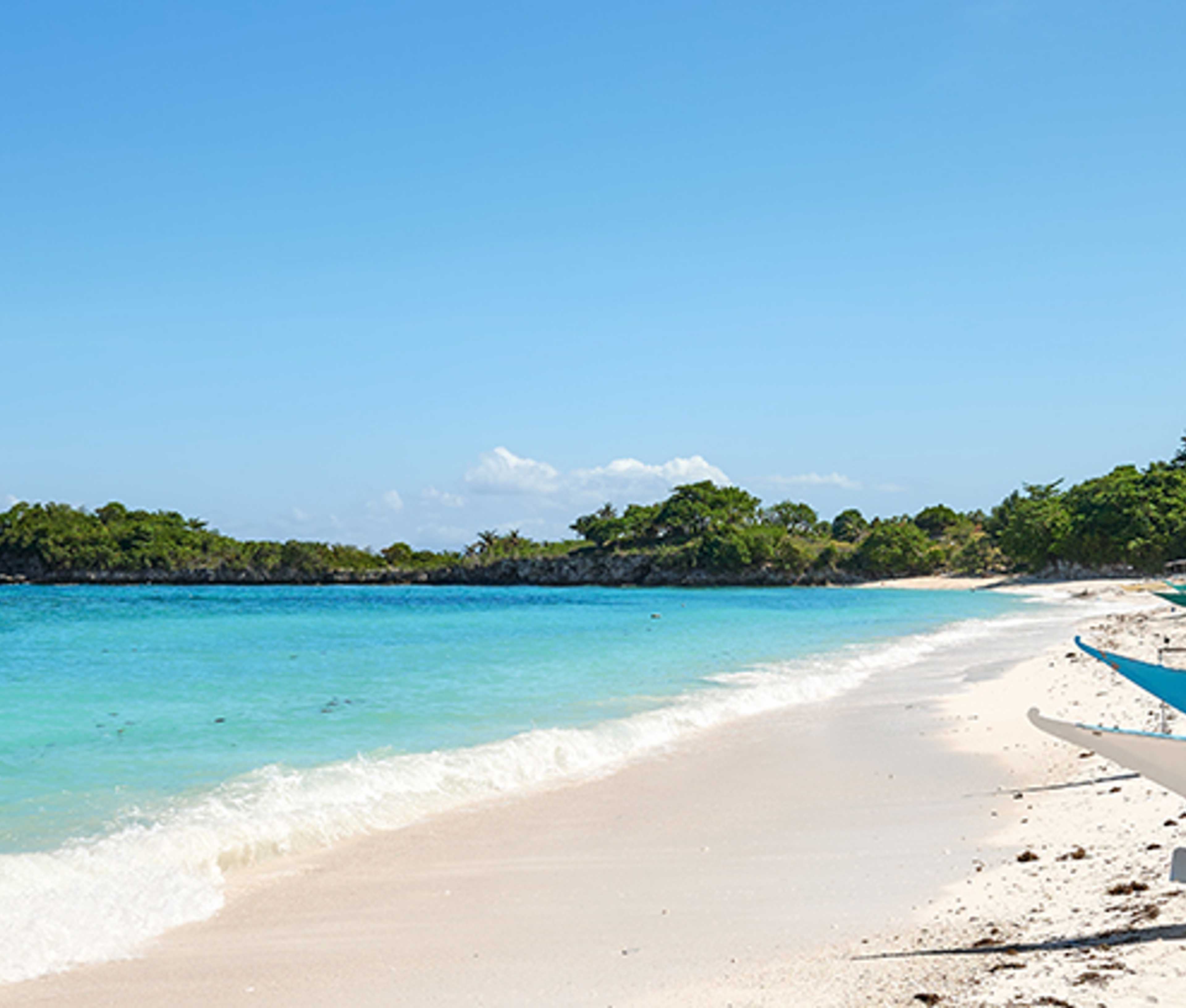
- The island's pristine beaches and turquoise waters are perfect for swimming, snorkelling, and diving, and there are several dive centres offering courses and equipment rental.
- Visitors can also take a boat tour to nearby islands, go fishing, or explore the mangrove forests along the coast.
- Despite its relative isolation, Jolo has much to offer visitors willing to venture beyond the usual tourist hotspots and discover the hidden gems of the Philippines. Our Holiday Vibes are Good Vibes Only!
- Capital: Jolo
- International airport: Jolo Airport (JOL)
- Currency: Philippine peso (PHP)
- Time: UTC+8
- Driving side: Right-hand side of the road.
- Main electricity: 220V/60Hz
- Official languages: Filipino (Tagalog) and English. Tausug is also widely spoken in Jolo.
- Religion: Islam is the predominant religion in Jolo, although there are also Christian and indigenous beliefs.
Reason 02
Highlights

- Bud Daho Peak - Located in the heart of Jolo, this mountain peak offers stunning panoramic views of the island and its surrounding waters. It is also known for its historical significance during the Philippine-American War.
- White Beach - A beautiful white sand beach with crystal-clear waters, perfect for swimming, sunbathing, and water sports.
- Tausug Culture and Heritage - Jolo is the cultural centre of the Tausug people, one of the largest ethnic groups in the southern Philippines. Visitors can learn about their unique culture, traditions, and way of life by visiting museums, historical sites and attending cultural events.
- Diving and Snorkeling - Jolo is home to some of the most diverse and vibrant coral reefs in the Philippines, making it a popular destination for diving and snorkelling enthusiasts.
- Local Cuisine - Jolo's cuisine is a fusion of Malay, Indonesian, and Arabic influences, resulting in a unique and flavorful blend of dishes such as curried seafood, spicy beef rendang, and sweet desserts made from coconut and palm sugar.
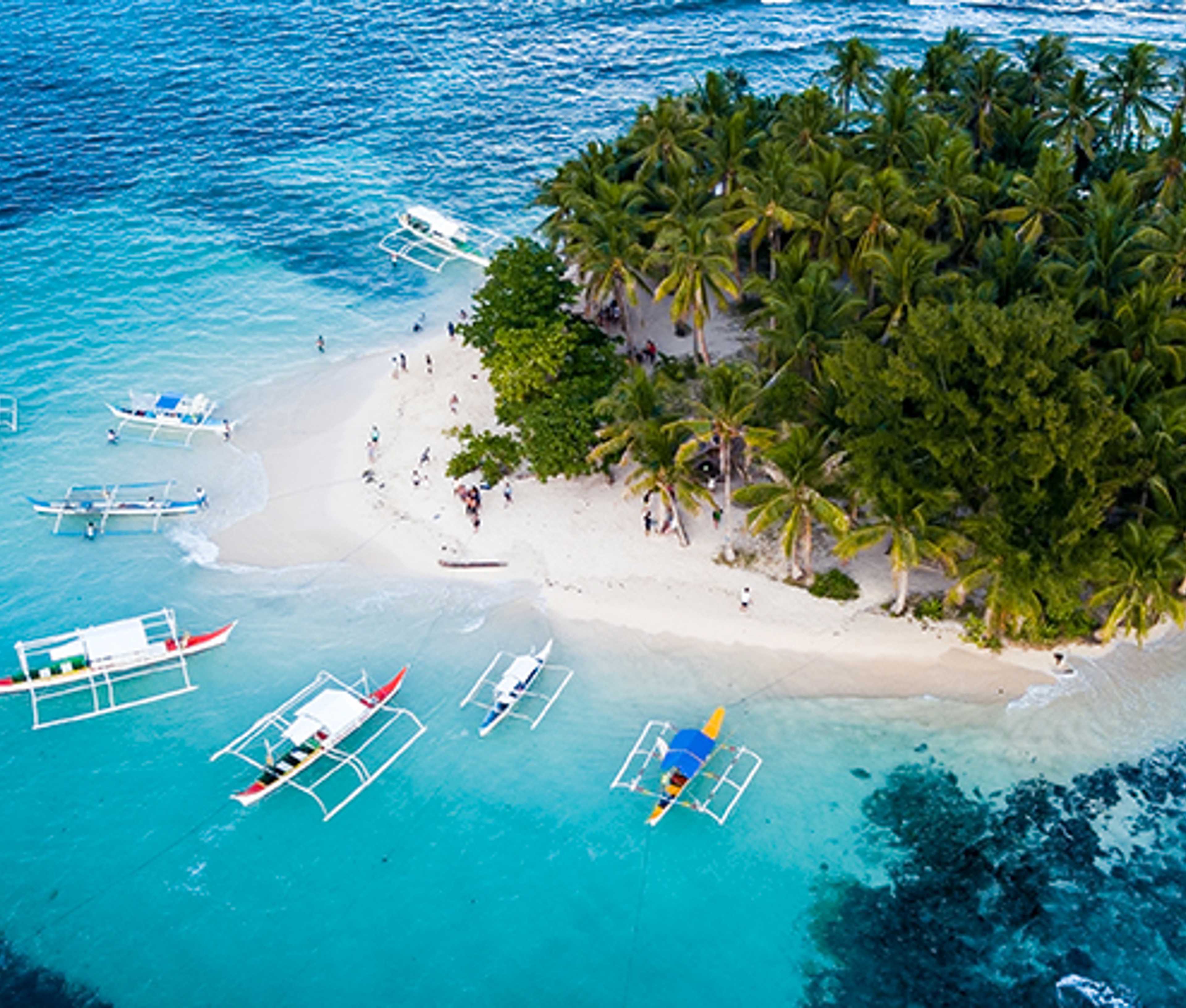
- Beach Hopping - many small islands and islets surround Jolo, each with unique charm and beauty. Visitors can take a boat tour to explore these hidden gems, snorkel in the turquoise waters, or relax on the white sand beaches.
Reason 03
Seasons to Travel

- The best time to visit holidays in Jolo, Philippines, is from November to April when the weather is dry and pleasant.
- During this period, the island experiences less rainfall and cooler temperatures, making it ideal for outdoor activities such as beach hopping, snorkelling, and diving.
- However, visitors should be aware that Jolo can experience occasional typhoons and monsoons during this time, which can cause disruptions to travel plans.
- It's always a good idea to check weather forecasts before travelling to Jolo and to take necessary precautions during inclement weather.
- From May to October, Jolo experiences a rainy season with higher temperatures and humidity.
- While this may not be the best time for outdoor activities, visiting Jolo is still possible, as rainfall is usually brief and intermittent.
- It's worth noting that Jolo is a predominantly Muslim region. Visitors should respect local customs and traditions, particularly during the holy month of Ramadan, which usually falls between April and May.
- During this time, many businesses and attractions may have limited hours or be closed altogether, and visitors should be mindful of cultural sensitivities.
- The best time to visit Jolo depends on individual preferences and priorities, but the dry season from November to April is generally considered the most pleasant time for tourism.
Reason 04
Worth A Visit

Bud Daho Peak
- Offers breathtaking panoramic views of Jolo and its surrounding waters.
- Has historical significance during the Philippine-American War.
- Can be accessed by a scenic hike through the mountains.
- Features a small mosque at the summit.
- Considered a sacred site by the Tausug people.
- Visitors should dress modestly and be respectful of local customs and beliefs.
- Experienced hikers can attempt the challenging Bud Bongao Peak nearby.

Astana Graves
- The final resting place of the Sultan of Sulu and his family.
- Features beautiful marble tombs with intricate carvings and Islamic inscriptions.
- Offers stunning views of the town of Jolo and the sea beyond.
- Located in a tranquil hilltop cemetery surrounded by lush gardens and palm trees.
- Visitors should dress modestly and remove their shoes before entering the gravesite.
- A guide is recommended to provide historical and cultural context.
- Can be combined with a visit to the nearby Jolo Cathedral.

Tausug Culture and Heritage
- The Tausug people are among the largest ethnic groups in the southern Philippines.
- Known for their colourful clothing, traditional music, and martial arts.
- Visitors can learn about their unique culture and traditions at the Tausug Cultural Center in Jolo.
- The centre features exhibits on Tausug history, crafts, and daily life.
- Visitors can attend cultural events such as dance performances and musical shows.
- A Tausug guide is recommended for a deeper understanding of the culture.
- Tausug cuisine is also worth trying, featuring piazza (fish soup) and Kalka (beef stew) dishes.

Jolo Cathedral
- Also known as Our Lady of Mount Carmel Cathedral.
- A beautiful Catholic church built during the Spanish colonial era.
- Features a mix of Spanish and Islamic architectural styles.
- Houses several priceless religious artefacts and artworks.
- Can be visited as part of a walking tour of Jolo's historic district.
- Visitors should dress modestly and remove their shoes before entering the cathedral.
- The cathedral is also a popular venue for weddings and special events.

Beaches and Islands
- Jolo is surrounded by many small islands and islets, each with unique charm and beauty.
- White Beach is the most popular beach on Jolo, offering crystal-clear waters and soft white sand.
- Other nearby islands worth visiting include Bangao, Manuk Mangkaw, and Pata.
- Visitors can take a boat tour to explore these hidden gems, swim, and snorkel in the turquoise waters.
- Snorkeling and diving gear can be rented from local dive centres.
- Some islands may require permits from local authorities, so it's best to check beforehand.
- Visitors should be aware of currents and tides when swimming and snorkelling.
Reason 05
Discover More

Diving and Snorkeling
- Jolo is home to some of the most diverse and vibrant coral reefs in the Philippines.
- Popular dive sites include Mantabuan Island, Taguime Reef, and Pandanan Island.
- Divers can spot various marine life, including colourful tropical fish, sea turtles, and even whale sharks.
- Some dive sites have strong currents and are recommended for experienced divers only.
- Snorkeling is popular; visitors can rent gear from local dive centres.
- Dive centres also offer courses for beginners and advanced divers.
- Visitors should know about marine conservation efforts and follow responsible diving practices.

Local Cuisine
- Jolo's cuisine combines Malay, Indonesian, and Arabic influences.
- Seafood is a staple in Jolo's cuisine, and visitors can enjoy a variety of fresh fish, crabs, and prawns prepared in different ways.
- Spicy curries are popular dishes, such as the Tausug dish called piazza-sug, a fish soup with a spicy coconut milk base.
- Another famous dish is the beef rendang, a slow-cooked beef curry with a rich blend of herbs and spices.
- Visitors can also try sweet desserts made from coconut and palm sugar, such as kakanin and jalea.
- Local food can be found at traditional eateries, markets, and food stalls, such as the Jolo Public Market.
- Visitors should also be aware of cultural food taboos, such as not eating pork, and ask locals for recommendations on where to eat.
- Many restaurants and cafes also offer international cuisine, such as Italian and Chinese food, for those who prefer more familiar options.
- Visitors can also sample local delicacies such as pastels, a dish made of rice, chicken or beef, spices wrapped in banana leaves, and satti, a skewered meat dish with a peanut sauce.
Reason 06
Culture Traditions

- Tausug Culture - The Tausug people are the predominant ethnic group in Jolo, and their culture is a significant part of the island's heritage. The Tausug are known for their colourful clothing, traditional music, and martial arts, such as silat. Visitors can learn about Tausug culture by visiting museums, attending cultural events, and trying local cuisine.
- Islamic Heritage - Jolo is a predominantly Muslim region, and Islamic heritage is evident in the island's architecture, customs, and beliefs. Visitors can visit mosques like the Masjid Tulay and learn about Islamic traditions and practices. Visitors should respect Islamic customs, such as dressing modestly and removing shoes before entering a mosque.
- Spanish Colonial Influence - Jolo has a rich history of Spanish colonialism, and this influence is evident in its architecture and language. Visitors can explore historic buildings like the Jolo Cathedral and learn about the island's colonial past.
- Festivals and Celebrations - Jolo has several cultural festivals and celebrations throughout the year, such as the Sulu Day Festival and the Adlaw Taug Feast. These events showcase the island's culture, traditions, and way of life and are an excellent opportunity for visitors to experience local customs and cuisine.
- Handicrafts and Traditional Industries - Jolo's vibrant handicraft industry produces textiles, woodcarvings, and other traditional products. Visitors can visit local workshops and markets to learn about the production process and purchase authentic souvenirs.
- Family and Community - Family and community are essential aspects of Jolo's culture, and visitors can observe the people's strong bonds and social relationships. Visitors can attend community events, such as weddings and fiestas, to experience the warmth and hospitality of the locals.
- Environment and Natural Resources - Jolo's culture is also influenced by its natural environment and resources, such as the sea and the mountains. Visitors can learn about the island's biodiversity and conservation efforts and the importance of traditional practices such as fishing and farming.
Reason 07
Food Fun Fashion

Food
- Seafood - Jolo is an island, so it's no surprise that seafood is a staple of the local cuisine. Visitors can enjoy a variety of fresh fish, crabs, and prawns prepared in different ways, such as grilled, fried, or stewed.
- Curries - Spicy curries, such as the Tausug dish called piazza-sug, a fish soup with a spicy coconut milk base, are also popular in Jolo. Other curries include chicken curry and beef curry.
- Beef Rendang - Beef rendang is a slow-cooked beef curry with a rich blend of herbs and spices, such as lemongrass, turmeric, and chilli. It is a popular dish in Jolo and throughout the Philippines.
- Local Desserts - Jolo's cuisine includes a range of sweet desserts made from coconut and palm sugar, such as the kakanin and the jalea. Kakanin is a sticky rice cake, while jalea is a jelly-like dessert made from agar-agar and fruit juices.
- Local Beverages - Visitors should also try the "kawa," a traditional Tausug coffee made from roasted corn, coconut milk, and spices. It has a unique flavour and aroma and is often served with snacks such as kakanin.
- Traditional Dishes - Visitors can also try traditional dishes such as pastels, rice, chicken or beef, spices wrapped in banana leaves, and satti, a skewered meat dish with peanut sauce. These dishes are often served as street food and can be found at food stalls and markets.
- Local Fruits - Jolo is known for its fresh fruits, such as mangoes, pineapples, and bananas. Visitors can buy these fruits at local markets and enjoy them as a healthy and delicious snacks.

Fun
- Island Hopping - many small islands and islets surround Jolo, each with unique charm and beauty. Visitors can take a boat tour to explore these hidden gems, swim, and snorkel in the turquoise waters.
- Diving and Snorkeling - Jolo is home to some of the most diverse and vibrant coral reefs in the Philippines, making it a popular destination for diving and snorkelling enthusiasts. Visitors can spot various marine life, including colourful tropical fish, sea turtles, and even whale sharks.
- Beach Hopping - Jolo's beaches are perfect for relaxing and enjoying the sun and sea. Visitors can visit White Beach, the most popular beach in Jolo, and other nearby beaches, such as Bangao, Manuk Mangkaw, and Pata.
- Hiking - Jolo has several mountain peaks that offer spectacular views of the island and its surrounding waters. Visitors can take a scenic hike through the mountains to reach the summit of Bud Daho Peak or the nearby Bud Bongao Peak.
- Cultural Tours - Jolo has a rich history and unique cultural heritage that visitors can explore through cultural tours. Visitors can visit museums and historical sites and attend cultural events to learn about the Tausug people and their way of life.
- Local Markets and Shopping - Visitors can experience local life and buy souvenirs at the Jolo Public Market, where vendors sell fresh produce, handicrafts, and traditional products.
- Dining and Nightlife - Jolo has various dining and nightlife options, from street food stalls to restaurants and bars. Visitors can enjoy traditional dishes and drinks and experience the warmth and hospitality of the locals.

Fashion
- Traditional Clothing - The Tausug people, the predominant ethnic group in Jolo, have a distinct traditional clothing style. Men wear a long-sleeved shirt called a knit and pants called a salwar. Women wear a colourful blouse called a sinuated and a long skirt called a malong. These traditional clothes are often worn during special occasions and celebrations.
- Batik - Batik is a traditional textile art form that uses wax to create intricate patterns on fabric. It is popular in Jolo and can be found in clothing items such as skirts, blouses, and scarves.
- Hijabs - Jolo is a predominantly Muslim region, and hijabs are common among women. Hijabs come in various styles and colours and can be paired with traditional clothing or modern attire.
- Accessories - Jewellery, scarves, and headbands are popular in Jolo. These items are often handmade and feature intricate designs and patterns.
- Modern Clothing - Jolo also has a modern fashion scene, with many locals wearing Western-style clothing such as jeans, T-shirts, and dresses. Visitors can find these items at local shops and boutiques.
- Beachwear - Jolo's beaches are a popular destination, and visitors can find various beachwear items such as swimsuits, cover-ups, and hats. These items often feature bright colours and bold patterns.
- Handicrafts - Jolo has a vibrant handicraft industry, and visitors can find unique items such as handwoven bags, purses, and shoes. These items often feature traditional designs and materials.
Reason 08
Nature Safari

- Coral Reefs and Marine Life - Jolo is home to some of the most diverse and vibrant coral reefs in the Philippines. Visitors can go snorkelling or diving to explore the colourful underwater world and spot various marine life, including tropical fish, sea turtles, and even whale sharks.
- Beaches - Jolo has several stunning beaches perfect for swimming, sunbathing, and relaxing. White Beach is the most popular beach in Jolo, but visitors can also explore other nearby beaches, such as Bangao, Manuk Mangkaw, and Pata.
- Mountains and Hiking - Jolo has several mountain peaks that offer spectacular views of the island and its surrounding waters. Visitors can take a scenic hike through the mountains to reach the summit of Bud Daho Peak or the nearby Bud Bongao Peak.
- Waterfalls - Jolo has several picturesque waterfalls, such as the Dano-Dano and Kagayan Falls, that offer a refreshing break from the tropical heat. Visitors can dip in the cool, crystal-clear water and enjoy the natural beauty of the surroundings.
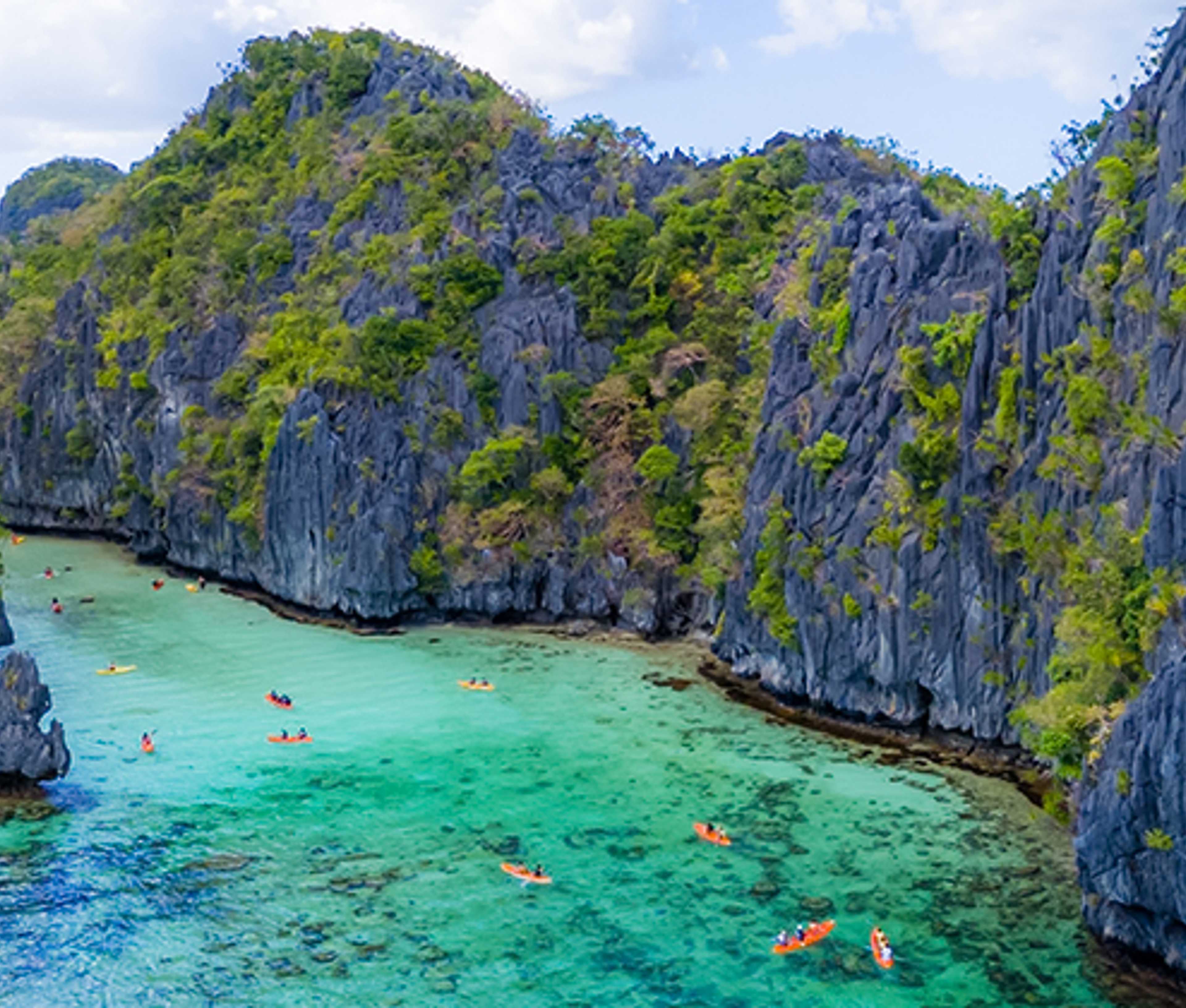
- Mangrove Forests - Jolo has several mangrove forests home to various flora and fauna. Visitors can take a boat tour to explore these unique ecosystems and learn about their importance in protecting coastal areas from erosion and storm surges.
- Birdwatching - Jolo is home to various bird species, such as the Philippine eagle and the Sulu hornbill. Visitors can go birdwatching in the forests and mountains to spot these beautiful creatures in their natural habitat.
- Conservation Areas - Jolo has several conservation areas, such as the Tawi-Tawi Protected Landscape and Seascape, dedicated to protecting the island's biodiversity and natural resources. Visitors can learn about the importance of conservation efforts and the threats facing the local environment.
Reason 09
Events Fiestas

- Sama Tawi-Tawi Food Festival - This festival is held annually in Jolo and showcases the different cuisines of the region. Visitors can try traditional dishes like pastels and satti and enjoy cultural performances and music.
- Sulu Day Festival - The Sulu Day Festival is celebrated in honour of the founding of the province of Sulu. The festival features parades, cultural performances, and traditional games.
- Adlaw Taug Feast - The Adlaw Taug Feast is a traditional celebration of the Tausug people. It involves feasting, music, and dancing and is a time for families and communities to unite.
- Regatta de Zamboanga - The Regatta de Zamboanga is a sailing race that starts in Zamboanga City and ends in Jolo. It is a popular event among locals and visitors, featuring cultural performances and a food festival.
- Kanduli Festival - The Kanduli Festival is celebrated by the Tausug people and involves offering food to the spirits of ancestors. It is a time for reflection and gratitude and is often celebrated with other festivals.
- Eid al-Fitr - Eid al-Fitr is a Muslim holiday that marks the end of Ramadan. It is celebrated in Jolo with prayer services, feasting, and family gatherings.
- Tausug New Year - The Tausug New Year, also known as Pagtatalik, is celebrated on the first day of the Islamic calendar. It is a time for reflection and prayer and is often celebrated with feasting, traditional music, and dance.